Mastering the art of confident communication in English is a journey that unlocks doors to personal and professional growth. This guide provides a comprehensive roadmap, empowering you to articulate your thoughts and ideas with assurance and poise. From understanding the nuances of self-assurance to overcoming speaking anxieties, each step is carefully crafted to build a solid foundation for fluent and confident English communication.
This guide will delve into practical strategies, offering insights into vocabulary expansion, effective conversation techniques, and methods for handling challenging situations. We’ll explore the crucial connection between body language and confidence, providing actionable steps to improve your communication skills. By understanding and addressing potential anxieties, you will build resilience and gain the tools to confidently navigate English conversations.
Understanding Confidence in English Speaking
Confidence in English speaking is not merely the absence of fear, but a proactive stance rooted in preparation, understanding, and a positive self-perception. It’s about communicating effectively and authentically, projecting a sense of competence and control while remaining approachable and relatable. This encompasses not only the words spoken but also the body language and overall demeanor. A confident speaker commands attention and fosters engagement.Authentic confidence stems from a deep understanding of oneself and the language.
It’s about recognizing your strengths, acknowledging areas for improvement, and consistently working to develop your skills. It’s not about perfection, but about consistent effort and a positive outlook. Confidence in English, like any skill, is developed through practice and a willingness to embrace challenges.
Defining Confidence in Communication
Confidence in communication, specifically in English, involves several key aspects. It’s more than simply feeling assured; it’s about effectively conveying your ideas and thoughts with clarity, accuracy, and conviction. This includes using appropriate vocabulary, grammar, and pronunciation. It also involves actively listening to others, understanding their perspectives, and engaging in respectful dialogue. Confidence in English speaking involves a genuine belief in one’s ability to communicate effectively, without arrogance or overconfidence.
Distinguishing Between Self-Assuredness and Arrogance
Self-assuredness in English communication is characterized by a calm, steady demeanor, demonstrating knowledge and control of the language. A self-assured speaker possesses a strong understanding of the topic and conveys information with clarity. In contrast, arrogance manifests as an overbearing or condescending tone, often dismissing the opinions of others. An arrogant speaker may appear overly confident but lacks genuine respect for different viewpoints.
The key distinction lies in the speaker’s attitude towards others and the interaction as a whole.
Identifying and Addressing Inner Doubts
Inner doubts and anxieties are common obstacles to confident speaking. These anxieties can stem from various factors, such as fear of making mistakes, lack of familiarity with the language, or past negative experiences. Strategies for addressing these concerns include practicing self-compassion, focusing on the positive aspects of communication, and breaking down complex tasks into smaller, more manageable steps.
Regular practice and positive reinforcement are vital.
Genuine Confidence vs. Fabricated Confidence
Genuine confidence is rooted in competence and a positive self-image. It arises from a belief in one’s abilities, developed through consistent effort and learning. Fabricated confidence, on the other hand, is a superficial mask concealing underlying insecurities. It often involves exaggerated displays of assurance and a tendency to overcompensate. Genuine confidence is evident in the speaker’s demeanor, actions, and consistent efforts.
The Role of Body Language in English Communication
Body language plays a significant role in projecting confidence during English conversations. Posture, eye contact, and gestures can either reinforce or undermine a speaker’s message. A confident speaker maintains good posture, makes appropriate eye contact, and uses gestures naturally to enhance communication. Open and inviting body language conveys a sense of engagement and openness to the listener.
Conversely, closed-off body language can appear unapproachable and less confident.
Building a Strong Foundation in English
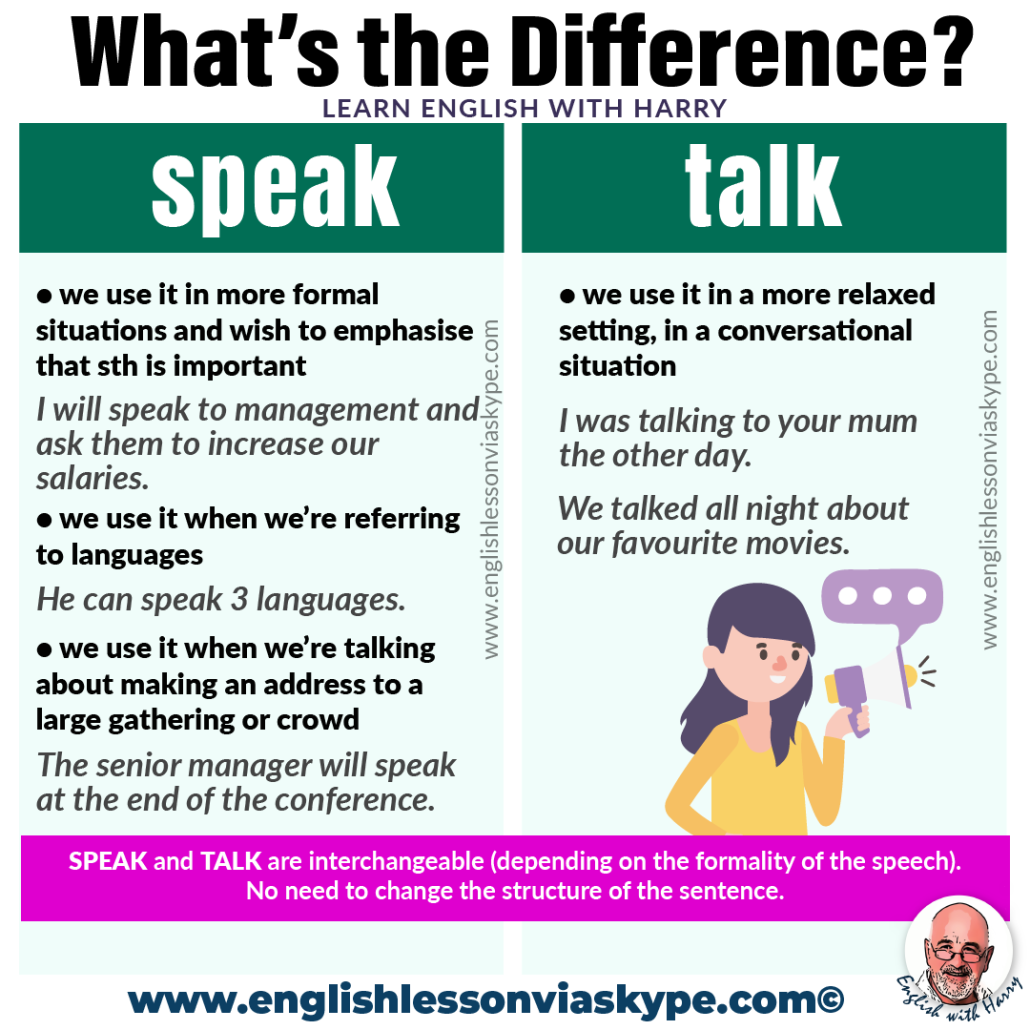
A strong foundation in English is crucial for confident communication. This involves more than just knowing individual words; it encompasses a deep understanding of vocabulary, grammar, and practical application. Developing these skills equips you to express yourself clearly and effectively, fostering a sense of assurance in your interactions. This section will guide you through building a robust foundation, providing strategies for vocabulary and grammar improvement, practical usage, resource selection, and pronunciation mastery.A well-structured approach to language learning, combined with consistent practice, significantly contributes to fluency and confidence in English speaking.
This approach encompasses targeted vocabulary acquisition, grammatical accuracy, and a focus on practical application. The strategies detailed below will help you build a strong and adaptable foundation.
Improving Vocabulary and Grammar
A comprehensive understanding of vocabulary and grammar is paramount to effective communication. Vocabulary expansion involves active learning, incorporating new words into daily conversations and writing. Grammar mastery ensures clear and concise expression, avoiding ambiguity and enhancing overall understanding. Regular practice through exercises, reading, and writing is vital for consolidating these skills.
Learning Plan for Expanding English Skills
A well-defined learning plan is essential for systematic improvement. It should encompass various activities like reading English literature, listening to English podcasts or audiobooks, engaging in conversation with native speakers, and writing regularly. Consistency and variety in your learning activities are key. Allocate dedicated time for these activities, making them a regular part of your routine.
Choosing and Utilizing Appropriate Resources
Selecting appropriate resources can significantly accelerate your learning journey. Online dictionaries, grammar guides, and language learning apps offer convenient and readily accessible information. Books, articles, and websites focused on specific areas of interest can further enrich your vocabulary and provide context. Engaging with a diverse range of resources ensures a comprehensive and holistic approach.
Practical English Usage
Practical application is critical for confident communication. Actively seek opportunities to use English in real-life scenarios. This could include joining conversation groups, attending workshops, or participating in online forums. Engage with native speakers, even if it’s just for a short period. The more you practice, the more comfortable and confident you will become.
Accurate and Confident Pronunciation
Accurate pronunciation enhances comprehension and impacts your overall confidence. Focusing on the sounds of English, including vowel and consonant sounds, is essential. Listening to native speakers and practicing pronunciation exercises are crucial steps in achieving clarity and fluency. Consider utilizing online pronunciation guides and language tutors to refine your skills.
Common English Phrases and Expressions
A collection of common phrases and expressions is invaluable for natural delivery. Familiarizing yourself with idioms, colloquialisms, and common greetings enhances your ability to communicate naturally. Using these phrases in context and in various social situations will boost your confidence and help you navigate different conversational settings. Below is a table of some commonly used phrases:
| Situation | Phrases/Expressions |
|---|---|
| Greetings | “How are you?”, “Fine, thank you, and you?”, “Good morning/afternoon/evening” |
| Small Talk | “What do you do?”, “How was your day?”, “I’m so glad to meet you” |
| Expressing Agreement | “I agree,” “That’s right,” “I think so too” |
| Expressing Disagreement | “I disagree,” “I don’t think so,” “I have a different opinion” |
“Practice makes perfect”This adage applies strongly to language learning. Consistent effort and dedication will improve your fluency and confidence.
Developing Conversational Skills
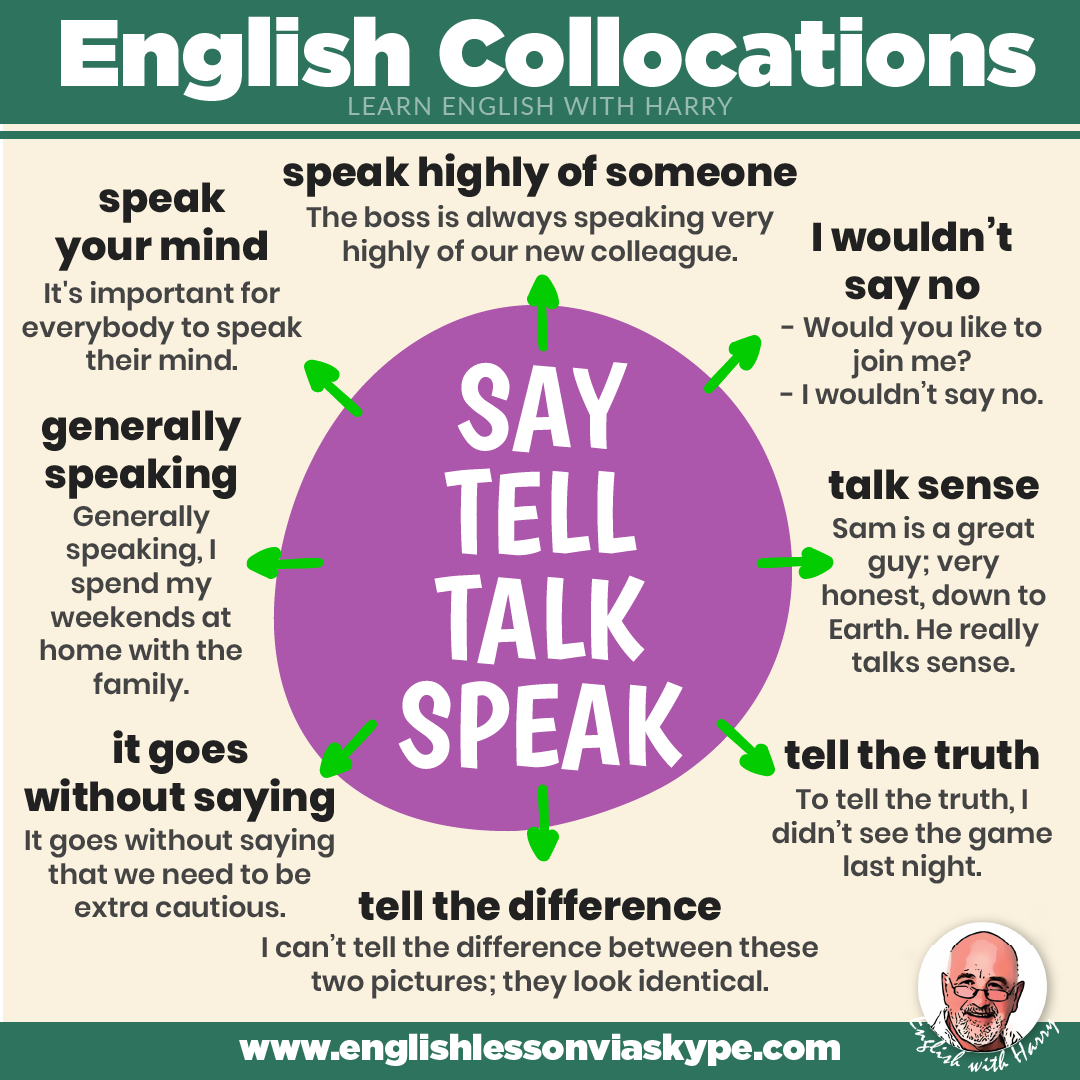
Cultivating fluent and natural English conversations requires more than just vocabulary and grammar. Effective communication hinges on understanding how to initiate, maintain, and navigate diverse conversational dynamics. This section explores the crucial elements of conversational English, from foundational techniques to handling challenging situations.A strong conversational foundation allows for seamless communication, fostering deeper connections and broader opportunities. It enables individuals to express their thoughts and ideas clearly, while simultaneously demonstrating cultural sensitivity and understanding.
This, in turn, builds confidence and enhances the overall English speaking experience.
Initiating and Maintaining Conversations
Initiating conversations effectively involves approaching others with a positive and approachable demeanor. A simple greeting, a shared observation, or a question about a mutual interest can initiate a productive conversation. Maintaining a conversation requires active listening and demonstrating genuine interest in the other person’s perspective. Avoid dominating the conversation by focusing on shared experiences and actively seeking opportunities to engage with the other speaker’s contributions.
A thoughtful response to each point will make the interaction more engaging and meaningful.
Active Listening and Thoughtful Responses
Active listening is a critical component of effective communication. It involves not only hearing the words spoken but also understanding the underlying meaning and intent. This requires paying close attention to both verbal and nonverbal cues, such as tone of voice, facial expressions, and body language. Furthermore, responding thoughtfully involves summarizing what has been said, asking clarifying questions, and providing relevant and insightful responses.
This demonstrates engagement and fosters a deeper understanding. For instance, reflecting on the other person’s point of view shows respect and allows for more meaningful interaction.
Using Appropriate Tone and Body Language
Tone and body language significantly impact the overall impression and reception of a conversation. A friendly, approachable tone, coupled with open and welcoming body language, will make the interaction more positive and encouraging. Conversely, a negative tone or defensive body language can create barriers and hinder the conversation. Maintaining appropriate eye contact, using open postures, and mirroring the other person’s positive body language will reinforce a sense of mutual understanding and respect.
Handling Challenging Conversations or Disagreements
Disagreements are inevitable in any conversation. However, the way disagreements are handled significantly impacts the outcome and the relationship between the parties involved. Addressing disagreements constructively involves acknowledging the other person’s perspective, even if you don’t agree with it. Maintaining a respectful tone and focusing on finding common ground will help mitigate conflict. Employing phrases such as “I understand your point of view,” or “I appreciate your perspective” can help create a more collaborative atmosphere.
Emphasize a collaborative approach, aiming to find solutions that satisfy both parties. By using “I” statements, focusing on specific behaviors, and offering alternative solutions, disagreements can be managed constructively, fostering mutual respect and understanding.
Overcoming Speaking Anxiety

Speaking a foreign language, particularly in a public or unfamiliar setting, can evoke significant anxiety. This anxiety, while a natural human response, can hinder fluency and confidence. Addressing these anxieties head-on is crucial for effective and enjoyable language acquisition.
Identifying Common Speaking Anxieties
Common anxieties associated with speaking English include fear of making mistakes, fear of judgment from others, and a lack of confidence in one’s abilities. These anxieties stem from various factors, including past negative experiences, cultural norms, and perceived societal expectations. Recognizing these anxieties is the first step towards managing them.
Managing Anxiety Before Speaking
Effective preparation is key to managing pre-speaking anxiety. This involves practicing the target language in a relaxed environment, focusing on specific vocabulary and phrases, and rehearsing potential conversations. Visualizing success in the upcoming interaction can also prove beneficial. Practicing deep breathing exercises and mindfulness techniques before speaking can significantly reduce pre-speaking anxiety.
Managing Anxiety During Speaking
During a conversation, anxiety may manifest as a rapid heartbeat, clammy hands, or a feeling of being overwhelmed. Active listening and focusing on understanding the other person’s perspective, rather than on one’s own anxieties, can help redirect attention. Remember that mistakes are part of the learning process and are not necessarily a reflection of your abilities. By embracing imperfection, you can foster a more relaxed and confident demeanor.
Managing Anxiety After Speaking
Reflecting on the conversation and acknowledging your efforts, regardless of any perceived shortcomings, is essential for managing post-speaking anxiety. Avoid dwelling on perceived errors, and instead focus on what you did well and the progress you made. Positive self-talk and encouragement can further contribute to a more positive outlook on your language learning journey. Seeking constructive feedback from others can help you identify areas for improvement without fostering unnecessary anxiety.
Practical Techniques for Calming Nerves
Numerous techniques can help calm nerves and reduce apprehension. Mindfulness exercises, such as focusing on the present moment, can help ground you in the current situation. Deep breathing exercises can regulate your physiological response to stress. Using visualization techniques, such as imagining yourself speaking confidently and successfully, can build confidence. Engaging in physical activities, like a short walk or light stretching, can also help release tension.
Positive Self-Talk
Replacing negative thoughts with positive affirmations is crucial. Instead of thinking “I’m going to mess up,” try “I’m learning and growing,” or “I’m capable of communicating effectively.” Focusing on your strengths and past successes can significantly impact your approach to future interactions. Positive self-talk builds resilience and fosters a more optimistic attitude towards the language-learning process.
Building Resilience and Coping with Mistakes
Mistakes are inevitable in any language learning process. Viewing mistakes as opportunities for growth and learning, rather than failures, is crucial for building resilience. Focus on understanding the underlying cause of the mistake, and use this insight to refine your approach. Practice forgiving yourself for errors and learn from them. Embrace a growth mindset, recognizing that progress is often made through overcoming challenges.
Practicing and Refining Skills

Consistent practice is paramount to improving English speaking skills. A structured approach, incorporating various practice methods and environments, will lead to significant progress and greater confidence. Regular engagement with English, both spoken and written, is crucial for fluency and naturalization.A well-defined practice plan, coupled with focused exercises and simulated real-world scenarios, will accelerate the development of essential communication skills.
This structured approach allows for targeted improvement, enabling individuals to identify and address specific weaknesses in their English speaking abilities.
Structured Practice Plan
Developing a routine for consistent practice is essential. Allocate specific time slots for English-speaking activities, whether it’s 15 minutes daily or an hour weekly. Regularity is key. A dedicated schedule helps maintain momentum and builds a habit of using English. Consistency is more effective than sporadic, intense sessions.
Practical Exercises for Fluency and Confidence
Engaging in diverse exercises strengthens both fluency and confidence. These exercises should progressively challenge the individual, moving from simpler to more complex tasks.
- Role-playing: Role-playing common situations like ordering food, making appointments, or expressing opinions fosters natural communication. Practicing with a partner, role-playing various scenarios, will improve the ability to respond spontaneously and confidently in diverse contexts. Role-playing enables individuals to apply learned vocabulary and grammatical structures to real-life situations, developing natural communication patterns.
- Storytelling: Narrating personal experiences, reading aloud, or summarizing articles promotes fluency and vocabulary. Regular storytelling exercises enhance pronunciation, pacing, and sentence structure. This approach can also build confidence by encouraging spontaneous expression.
- Discussions: Engaging in conversations about various topics with native or advanced English speakers broadens vocabulary and conversational skills. Discussions should be about current events, personal interests, or general knowledge, allowing individuals to practice various speaking styles and develop a wider range of vocabulary.
- Imitation: Mimicking native English speakers, whether from videos or audio recordings, refines pronunciation and intonation. This method can greatly enhance the understanding of natural speech patterns, aiding in developing fluency and accuracy. Careful attention to accents and intonation is crucial for effective communication.
Utilizing Practice Environments and Partners
The environment and partner significantly impact the effectiveness of practice. Choosing suitable environments and partners creates a positive and productive learning experience.
- Language Exchange Partners: Pairing with native English speakers or advanced learners provides valuable feedback and opportunities for interaction. Finding a language partner allows for focused practice, enabling learners to address their individual needs and preferences. These partnerships offer opportunities for natural communication in a supportive and constructive environment.
- Online Platforms: Utilizing online platforms like language exchange groups or interactive English learning websites facilitates consistent practice and interaction with others. Online tools provide accessible practice opportunities with diverse individuals, expanding the range of practice experiences.
- Real-World Interactions: Engaging in real-world interactions like ordering food or asking for directions in English strengthens confidence and adapts skills to various situations. These real-world interactions offer a practical application of learned skills and provide feedback from native speakers, strengthening the individual’s confidence.
Simulating Real-World English Speaking Situations
Practicing in simulated scenarios prepares individuals for real-world interactions. This helps develop confidence and adaptability.
- Giving a Presentation: Preparing and delivering short presentations, whether on a hobby or a topic of interest, improves confidence in public speaking. This activity helps build confidence and refine communication skills in front of an audience.
- Taking Part in Meetings: Simulating meeting scenarios by discussing topics or brainstorming ideas enhances active listening and speaking skills. Practicing meeting dynamics allows for the development of professional communication skills.
- Ordering Food at a Restaurant: Practicing ordering food or making requests at a restaurant improves vocabulary and communication skills in a practical setting. This activity helps develop confidence and proficiency in real-world situations.
Recording and Analyzing Your English Speaking
Self-assessment is crucial for improvement. Recording and analyzing your speech helps identify areas for development.
- Recording Yourself: Recording your speech allows for objective evaluation of pronunciation, fluency, and confidence levels. This enables a critical analysis of performance, identifying specific areas for improvement.
- Reviewing Recordings: Analyzing recordings provides a clear understanding of strengths and weaknesses. This step enables targeted practice and improvement in areas needing more attention.
- Seeking Feedback: Seeking feedback from a language partner or teacher on recordings offers valuable insights into areas needing improvement. This method helps develop critical self-assessment skills and provides constructive criticism from qualified sources.
Expanding Your Knowledge Base
A strong foundation in English speaking extends beyond grammar and vocabulary. Broadening your knowledge base across diverse topics empowers you to engage in more nuanced and interesting conversations, demonstrating a deeper understanding and enhancing your confidence. This crucial aspect involves actively seeking out information, developing critical thinking skills, and integrating your interests into your communication.
Identifying Relevant Topics
A diverse range of topics can significantly enhance your English speaking confidence. Consider areas of interest that spark curiosity and passion. Engaging with these topics allows you to express yourself with more conviction and enthusiasm. A few examples include current affairs, cultural insights, technological advancements, and popular trends.
Accessing Diverse Resources
Numerous resources offer insights into current events, culture, and trends in English. News websites such as The New York Times, BBC News, and The Guardian provide comprehensive coverage. Academic databases, journals, and magazines offer in-depth analysis and critical perspectives. Social media platforms, while often presenting condensed information, can be valuable for staying abreast of trending topics. Furthermore, documentaries, podcasts, and online courses dedicated to current events and cultural understanding offer enriching learning experiences.
Integrating Interests into Conversations
Integrating your diverse interests into conversations demonstrates genuine engagement and thoughtfulness. For example, if you’re passionate about sustainable energy, you can weave relevant insights into discussions about environmental issues. This approach makes your contributions more meaningful and memorable. Connecting personal interests to broader societal themes enhances your conversational skills and demonstrates your capacity to analyze and interpret information.
Researching and Discussing Topics Confidently
To research and discuss a topic confidently, structure your approach methodically. Begin by identifying key concepts and gathering information from reputable sources. Summarize the key arguments and supporting evidence. Formulate your own perspective, considering various viewpoints. Practice articulating your thoughts clearly and concisely.
Having a well-structured understanding of a topic enables you to present your ideas effectively and confidently. Consider using visual aids, such as charts or graphs, to illustrate complex concepts.
Sparking Discussions and Demonstrating Skills
Demonstrating your English skills involves more than just conveying information; it also involves initiating and participating in engaging discussions. A good strategy is to ask insightful questions that encourage others to share their perspectives. For example, instead of simply stating a fact, ask how it might affect different groups of people. Engaging with others’ ideas allows you to demonstrate a deeper understanding and broaden your knowledge base.
Sharing your own well-informed opinions and actively listening to others fosters a dynamic and intellectually stimulating conversation, showcasing your command of the language.
Engaging with English Speakers
Engaging with native English speakers is crucial for improving your fluency and confidence. Direct interaction provides invaluable opportunities to practice your skills in a real-world setting and receive personalized feedback. This section will explore effective strategies for finding and utilizing these opportunities.Engaging with English speakers transcends the classroom. It’s about immersing yourself in the language through meaningful interactions.
This active participation allows you to adapt your communication style, refine your vocabulary, and develop a deeper understanding of English nuances.
Finding Opportunities to Interact
Engaging with English speakers requires proactive effort. Identifying suitable environments and actively seeking interactions is key. Identifying potential opportunities allows for focused practice and improved conversational skills.
- Joining English Language Clubs/Groups: Local community centers, libraries, and universities often host English language clubs or groups. These provide structured settings for meeting like-minded individuals and practicing English conversation. Membership in such clubs provides opportunities for social interaction and language practice.
- Volunteering or Participating in Community Events: Engaging in volunteer work or attending community events allows you to interact with native English speakers in a natural, relaxed setting. This creates a chance to engage in discussions and improve your fluency. Engaging in group activities creates a more casual and friendly environment.
- Taking English Conversation Classes: Beyond structured lessons, some English conversation classes emphasize practical application and interactions with native speakers. This is an effective method to learn through direct engagement with speakers.
Networking with Native English Speakers
Building a network of native English speakers is essential for sustained improvement. Developing connections with native speakers offers a consistent platform for practice and feedback. Building relationships leads to long-term opportunities to learn and grow.
- Online Platforms: Platforms like Meetup.com and Facebook groups dedicated to English language learners or native speakers provide a space to connect with individuals for language exchange. These groups allow you to find conversation partners with shared interests.
- Social Media Groups: Using social media platforms to connect with native speakers enables you to engage in discussions, share ideas, and receive feedback. These groups allow you to find speakers with whom you share similar interests and hobbies.
- Language Exchange Apps: Apps like HelloTalk or Tandem connect you with language partners worldwide. These apps facilitate language exchange and provide opportunities for regular conversation practice.
Utilizing Online and Offline Platforms
Various platforms offer diverse avenues for interacting with native English speakers. Utilizing both online and offline resources maximizes your learning potential. The combination of different platforms provides a more holistic and effective approach to improving English.
| Platform | Description |
|---|---|
| Local Libraries | Libraries often host workshops, book clubs, and events, creating opportunities to interact with native speakers and other learners in a supportive environment. |
| Language Exchange Events | Many cities organize language exchange events, bringing together speakers of different languages. These events facilitate casual interactions and provide opportunities to practice conversational English. |
| Online Forums | Specialized forums focused on English language learning or specific interests allow you to engage in discussions with native speakers and other learners, receiving valuable feedback. |
Initiating and Maintaining Conversations
Effective communication requires clear initiation and maintenance strategies. Starting and sustaining conversations is essential for gaining confidence. The ability to engage in a conversation reflects your ability to understand and use the language effectively.
- Starting Conversations: Start by asking simple, open-ended questions. Demonstrate your interest in the other person’s perspectives. Simple greetings and statements of interest provide a comfortable starting point for a conversation.
- Maintaining Conversations: Show active listening skills. Ask follow-up questions. Share your thoughts and experiences. Engaging in conversations requires active participation and thoughtful responses to keep the discussion flowing.
Using Feedback Effectively
Constructive feedback is invaluable for language improvement. Utilizing feedback from native speakers allows for targeted improvement. This feedback can be used to adjust your language use and build on your strengths.
- Actively Seeking Feedback: Ask native speakers for feedback on your pronunciation, grammar, and vocabulary. Being proactive about seeking feedback is key to using it effectively.
- Analyzing Feedback: Identify areas where you need improvement. Focus on specific aspects of your English that require attention. Detailed analysis of the feedback allows for strategic adjustments to your language use.
- Implementing Feedback: Practice the areas identified for improvement. Seek additional practice opportunities to reinforce new skills and improve your confidence. Consistent application of feedback is key to improving your language skills.
Final Summary

In conclusion, this guide provides a complete framework for achieving confident English communication. By understanding the principles of confidence, building a strong foundation in English language skills, developing conversational proficiency, managing speaking anxiety, and practicing consistently, you will significantly enhance your ability to communicate effectively in English. The strategies presented here will empower you to speak with assurance and poise, ultimately unlocking your full potential in English speaking environments.