Effective communication is paramount to successful teamwork. This guide delves into the crucial aspects of enhancing communication skills within collaborative projects. Understanding diverse communication styles, active listening techniques, and clear, concise expression are vital for navigating the complexities of teamwork.
From navigating diverse team dynamics to leveraging technology for remote collaborations, this comprehensive resource equips individuals with the tools to foster a more productive and harmonious team environment. The importance of consistent feedback and conflict resolution will also be addressed.
Understanding Teamwork Dynamics
Effective communication is the cornerstone of successful teamwork. Without clear and consistent communication, collaborative projects can falter, leading to missed deadlines, poor quality deliverables, and strained relationships. Understanding the intricacies of teamwork dynamics, including communication styles and team structures, is crucial for optimizing performance and fostering a positive work environment.
Importance of Effective Communication in Collaborative Projects
Clear and concise communication fosters understanding and shared goals within a team. This shared understanding leads to better coordination, reduced errors, and increased productivity. Teams with effective communication are better equipped to adapt to changing circumstances and resolve conflicts constructively. For example, a project requiring multiple departments to collaborate will face significant challenges if communication channels are unclear or if team members are unable to articulate their needs and concerns effectively.
Examples of How Poor Communication Hinders Teamwork
Poor communication manifests in various ways, hindering the effectiveness of a team. A lack of timely information sharing can lead to misunderstandings and duplicated efforts. Passive communication, where concerns are not voiced or addressed, can result in resentment and decreased morale. Inconsistent communication styles can lead to confusion and misinterpretations. For instance, a project manager who fails to communicate deadlines clearly and provide regular updates to team members can significantly impact the project’s timeline and quality.
Different Communication Styles Within Teams and Their Impact
Teams consist of individuals with diverse communication styles. Some are direct and assertive, while others are more indirect and collaborative. Understanding these differences is crucial for effective communication. A direct communication style, while efficient, can sometimes be perceived as aggressive, leading to conflict. A collaborative style, while fostering inclusivity, can sometimes lead to slower decision-making.
The impact of each style depends on the specific context and the team’s overall dynamics.
Comparison and Contrast of Various Team Structures and Their Communication Needs
Team structures vary significantly, impacting communication needs. In a hierarchical structure, communication tends to flow from top to bottom, emphasizing clear directives and established protocols. In a flatter structure, communication is often more horizontal, encouraging collaboration and shared decision-making. The communication needs of cross-functional teams, where members from diverse departments collaborate, are more complex, requiring clear communication protocols and a shared understanding of project goals.
The specific needs of each structure must be addressed to ensure optimal communication.
Common Communication Challenges in Diverse Teams
Diverse teams, comprising individuals from different cultural backgrounds, experience unique communication challenges. Language barriers, varying communication styles, and differing expectations of communication norms can lead to misunderstandings. Furthermore, cultural nuances in non-verbal communication can easily be misinterpreted. Active listening, empathy, and clear communication protocols are essential to overcome these challenges.
Communication Styles and Their Strengths and Weaknesses
| Communication Style | Strengths | Weaknesses |
|---|---|---|
| Direct | Efficient, clear, and straightforward | Can be perceived as aggressive or blunt, potentially causing offense. |
| Indirect | Collaborative, fosters inclusivity | Can be perceived as vague or evasive, potentially hindering clarity and decision-making. |
| Passive | Avoids confrontation | Can lead to resentment, unresolved issues, and reduced morale. |
| Assertive | Clear expression of needs and opinions while respecting others’ | Requires active listening and empathy to be effective. |
| Active | Focuses on understanding others’ perspectives | Requires more time and effort to achieve understanding |
Active Listening Techniques

Effective communication is paramount in successful teamwork. Active listening, a crucial component of this process, involves more than just hearing words; it encompasses understanding the speaker’s message, both verbally and nonverbally. This active engagement fosters trust, improves comprehension, and ultimately enhances the quality of team interactions.
The Role of Active Listening in Teamwork
Active listening is a fundamental skill for fostering a collaborative and productive team environment. It allows team members to fully comprehend each other’s perspectives, identify shared goals, and resolve conflicts more effectively. By actively listening, team members demonstrate respect for their colleagues’ ideas and opinions, creating a supportive atmosphere for open communication. This fosters a deeper understanding of the team’s overall objectives and promotes the development of creative solutions.
Methods for Actively Listening to Team Members
Several methods can be employed to actively listen to team members. These include focusing intently on the speaker, maintaining eye contact, and providing verbal affirmations like “I understand” or “That makes sense.” Paraphrasing the speaker’s message to confirm understanding is also valuable, as it demonstrates attentiveness and ensures the message is correctly interpreted.
Strategies for Showing Empathy and Understanding
Empathy is essential in active listening. Attempting to understand the speaker’s feelings and motivations behind their message is crucial. This involves considering their background, experiences, and potential biases. By acknowledging and validating their emotions, even if you do not fully agree, you build rapport and trust. For example, acknowledging a team member’s frustration about a specific project by saying “I understand your concern about the timeline; let’s discuss possible solutions” shows empathy and encourages open communication.
Nonverbal Cues Supporting Active Listening
Nonverbal cues play a significant role in active listening. Maintaining appropriate eye contact demonstrates engagement and interest. Open posture, such as leaning forward, suggests attentiveness and receptiveness. Nodding occasionally shows understanding and encourages the speaker to continue. Avoiding distractions, such as looking at your phone or making other noises, is crucial for demonstrating respect and focus.
Active Listening Techniques and Benefits
| Active Listening Technique | Description | Benefits |
|---|---|---|
| Paying Attention | Focusing solely on the speaker, minimizing distractions. | Improves comprehension, reduces misunderstandings, builds trust. |
| Showing Interest | Maintaining eye contact, using verbal affirmations (e.g., “I see,” “Uh-huh”). | Demonstrates engagement, encourages the speaker to continue, fosters rapport. |
| Summarizing and Paraphrasing | Restating the speaker’s message in your own words to confirm understanding. | Ensures accurate interpretation, identifies areas of clarification, validates the speaker’s thoughts. |
| Asking Clarifying Questions | Asking thoughtful questions to gain a deeper understanding of the speaker’s message. | Deepens understanding, uncovers hidden nuances, promotes problem-solving. |
| Reflecting Feelings | Acknowledging and validating the speaker’s emotions. | Builds empathy, fosters trust, promotes a supportive environment. |
Clear and Concise Communication
Effective communication is paramount for successful teamwork. Clear and concise expression of ideas fosters understanding, minimizes misunderstandings, and ultimately leads to more efficient and productive collaborations. This section explores strategies for expressing ideas clearly and concisely, emphasizing the importance of precise language and methods for avoiding ambiguity. It also provides actionable techniques for delivering constructive feedback and highlights common communication pitfalls.Precise language and careful articulation are crucial for effective team communication.
Vague or ambiguous language can lead to misinterpretations and wasted time. Clear communication, in contrast, promotes a shared understanding of goals and expectations, allowing team members to work collaboratively toward a common objective.
Strategies for Expressing Ideas Clearly and Concisely
Articulating ideas clearly and concisely requires conscious effort and practice. Consider the following strategies:
- Use Specific and Concrete Language: Instead of saying “The project is going well,” provide specific details like “The marketing campaign has exceeded projections by 15% in the first quarter.” This clarifies the situation and avoids generalizations. Specific examples and quantifiable data provide context and increase clarity.
- Structure Your Message Logically: Organize thoughts in a logical sequence, starting with the main point and supporting it with evidence. A well-structured message facilitates comprehension and ensures the audience grasps the core idea.
- Active Voice and Short Sentences: Active voice (e.g., “We delivered the presentation”) is generally more direct and easier to understand than passive voice (e.g., “The presentation was delivered”). Short, clear sentences improve readability and comprehension.
Importance of Precise Language in Team Settings
Precise language in team settings is essential for avoiding misinterpretations. Using technical terms or jargon within a team familiar with those terms is acceptable. However, it’s crucial to ensure all team members understand the specific meaning within the context of the project. Using a shared glossary of terms, if necessary, will further enhance communication clarity.
Avoiding Ambiguity and Misinterpretations
Ambiguity in communication can lead to misunderstandings and conflicts. To minimize these risks, ensure that all information is presented with clarity and precision. Clarify any potentially ambiguous terms or phrases before proceeding. Use visual aids or diagrams to illustrate complex ideas. Encouraging team members to ask clarifying questions creates a safe space for open communication and reduces the chance of misinterpretations.
Providing Constructive Feedback to Team Members
Constructive feedback is essential for growth and improvement within a team. When providing feedback, focus on specific behaviors or actions rather than making general statements. Use “I” statements to express your perspective without placing blame. Frame feedback as a suggestion for improvement rather than a criticism. Provide examples to support your feedback and suggest concrete actions for improvement.
Common Communication Pitfalls and Avoidance Strategies
| Pitfall | Description | Avoidance Strategy |
|---|---|---|
| Vague Language | Using imprecise or general terms. | Use specific and concrete language; define terms clearly. |
| Poor Listening Skills | Interrupting or failing to pay attention to others. | Practice active listening techniques; encourage questions and clarification. |
| Lack of Clarity | Failing to express ideas with sufficient detail. | Structure messages logically; use supporting examples and evidence. |
| Assumptions | Making assumptions about others’ understanding. | Verify understanding; encourage questions; avoid making assumptions. |
| Emotional Responses | Responding emotionally rather than rationally. | Practice emotional intelligence; focus on the issue, not the person. |
Nonverbal Communication
Nonverbal communication plays a crucial role in team interactions, often conveying more than spoken words. Understanding and effectively utilizing nonverbal cues can significantly enhance teamwork and foster a more productive and harmonious environment. This section will delve into the importance of nonverbal communication in team settings, exploring its impact on dynamics, and comparing different cultural approaches.Nonverbal cues, encompassing body language, tone of voice, and eye contact, frequently influence how messages are perceived and interpreted by team members.
These cues can either reinforce or contradict verbal communication, potentially leading to misunderstandings or misinterpretations if not managed carefully. Recognizing and responding appropriately to these cues is paramount for building trust and rapport within the team.
Role of Nonverbal Cues in Team Interactions
Nonverbal communication forms a significant part of the overall communication process in teamwork. Body language, including posture, gestures, and facial expressions, provides valuable insights into a person’s attitude, emotions, and intentions. These cues can communicate agreement, disagreement, enthusiasm, or disinterest, often subconsciously influencing the overall team dynamic.
Examples of Body Language Impact on Team Dynamics
Open and welcoming body language, such as leaning forward, maintaining good eye contact, and using open gestures, fosters a sense of inclusivity and engagement. Conversely, closed postures, such as crossing arms or avoiding eye contact, may signal disinterest or defensiveness, potentially hindering collaboration. A team member slouching or appearing distracted might be perceived as unengaged, affecting overall productivity.
Significance of Tone of Voice and Eye Contact
Tone of voice significantly influences how a message is received. A friendly, encouraging tone can inspire confidence and cooperation, while a critical or dismissive tone can create tension and hinder progress. Appropriate eye contact demonstrates engagement and respect, showing that the speaker is actively listening and valuing the other person’s perspective. Avoiding eye contact, on the other hand, may suggest a lack of confidence or a desire to avoid interaction.
Comparison of Nonverbal Communication Styles Across Cultures
Nonverbal communication styles vary significantly across cultures. What might be considered a positive gesture in one culture could be interpreted negatively in another. For example, direct eye contact is often valued in Western cultures as a sign of honesty and engagement, but in some Eastern cultures, it can be seen as disrespectful or confrontational. Similarly, the use of personal space and physical touch can differ substantially.
Nonverbal Cues and Potential Interpretations
| Nonverbal Cue | Potential Interpretation | Cultural Considerations |
|---|---|---|
| Open posture (uncrossing arms, leaning forward) | Engagement, interest, openness | May vary in intensity across cultures. |
| Closed posture (crossing arms, avoiding eye contact) | Disagreement, defensiveness, disinterest | Consider cultural norms regarding personal space and directness. |
| Smiling | Friendliness, approachability, positivity | May have different meanings in various cultures. |
| Fidgeting | Anxiety, nervousness, lack of confidence | Cultural interpretations can vary, as some cultures may view fidgeting as a sign of attentiveness. |
| Touching | Friendliness, comfort, solidarity | Significant cultural variations in norms regarding physical touch. |
Feedback and Conflict Resolution
Effective teamwork hinges not only on clear communication but also on the ability to provide and receive constructive feedback, and to navigate disagreements constructively. This process fosters a positive and productive work environment where team members feel comfortable sharing ideas and working through challenges together. Addressing conflict promptly and respectfully is critical for maintaining team cohesion and achieving shared goals.
Giving Constructive Feedback
Providing feedback is a vital skill in any collaborative environment. It allows individuals to learn, improve, and contribute more effectively to the team. Constructive feedback focuses on specific behaviors or actions, offering suggestions for improvement rather than making general criticisms. A crucial aspect is focusing on the impact of the behavior on the team and offering specific examples.
- Focus on specific behaviors, not personality traits. Instead of saying “You’re disorganized,” say “The presentation was hard to follow because the slides lacked clear transitions.” This approach helps the recipient understand the issue and offers a concrete suggestion for improvement.
- Offer specific examples to illustrate the impact of the behavior. “In the last meeting, your comments were not integrated into the discussion due to their brevity” is more helpful than “Your comments weren’t helpful.” This provides context and clarity.
- Maintain a positive and supportive tone. Phrase feedback in a way that encourages growth and improvement. Instead of “You missed this deadline,” try “We can improve our project management by having more frequent check-ins to ensure everyone is on track.” This approach fosters a collaborative environment.
- Be timely and provide feedback in a private setting whenever possible. Addressing concerns immediately minimizes the chance for misunderstandings and allows for more focused discussion.
Receiving Constructive Feedback
Receiving feedback effectively is equally important for personal and professional growth. An open mind and a willingness to learn are key to benefiting from feedback.
- Actively listen to the feedback without interrupting. Try to understand the perspective of the feedback giver.
- Acknowledge the feedback and thank the giver for their input.
- Ask clarifying questions to ensure a full understanding of the feedback. This shows your willingness to learn and improve.
- Reflect on the feedback and identify areas where you can improve. Identify specific actions you can take to address the feedback.
Conflict Resolution Strategies
Conflicts are inevitable in any team environment. However, a well-defined strategy for conflict resolution can turn disagreements into opportunities for growth and stronger relationships.
- Active Listening: Truly hearing the concerns of all parties involved is crucial. This means focusing on understanding their perspective, not just formulating a response.
- Identifying Common Ground: Explore the shared goals and interests of all parties involved to find common areas of agreement. This helps in reframing the disagreement.
- Empathy and Understanding: Attempt to understand the other person’s perspective and motivations. This fosters a more constructive discussion.
- Compromise: Consider the possibility of finding solutions that meet the needs of all parties involved. This requires flexibility and a willingness to adjust expectations.
Examples of Effective Conflict Resolution Techniques
A team facing disagreements on project timelines can use the following techniques:
- Collaboration: The team collaborates to redefine the project timeline by identifying critical tasks and allocating realistic timeframes.
- Negotiation: Team members discuss and negotiate alternative project timelines that address individual concerns and ensure project completion.
Conflict Resolution Strategies Table
| Conflict Resolution Strategy | Description | Application Example |
|---|---|---|
| Active Listening | Focusing on understanding the other person’s perspective. | Carefully listening to the concerns of a team member about a project’s direction. |
| Compromise | Finding solutions that meet the needs of all parties involved. | Adjusting project deadlines to accommodate individual workload concerns. |
| Collaboration | Working together to find a solution that satisfies everyone. | Creating a shared project calendar to avoid scheduling conflicts. |
Using Technology for Enhanced Communication
Leveraging technology effectively is crucial for modern teamwork, especially in remote settings. It streamlines communication, fosters collaboration, and enables teams to operate efficiently across geographical boundaries. By adopting the right tools and establishing clear protocols, teams can overcome the challenges of distance and enhance overall performance.
Communication Tools for Remote Teams
Various tools facilitate communication and collaboration in remote teams. Choosing the right tool depends on the specific task and the team’s needs. Effective tools allow for real-time interaction, file sharing, and project management, promoting seamless teamwork.
- Video Conferencing Platforms: Tools like Zoom, Google Meet, and Microsoft Teams enable real-time interaction, facilitating discussions, presentations, and problem-solving sessions. Visual cues and nonverbal communication are crucial in remote settings; video conferencing platforms enhance this aspect of communication. This allows for better understanding and engagement compared to solely text-based communication.
- Instant Messaging Platforms: Slack, Microsoft Teams, and Discord offer instant messaging capabilities, enabling quick communication and real-time feedback. These tools are excellent for quick questions, updates, and brainstorming sessions. They also enable the formation of dedicated channels for specific projects or tasks.
- Project Management Software: Asana, Trello, and Monday.com are examples of project management tools that allow for task assignment, progress tracking, and file sharing. These tools are critical for maintaining transparency and accountability within a team. They ensure that everyone is aware of their responsibilities and the project’s overall progress.
- Shared Document Platforms: Google Docs, Microsoft Word Online, and others facilitate collaborative document editing. This allows for real-time feedback and revisions, ensuring everyone is on the same page. These tools are particularly important for projects involving multiple authors or needing concurrent updates.
Importance of Communication Protocols in Virtual Settings
Clear communication protocols are essential for successful remote teamwork. They establish expectations, maintain consistency, and minimize misunderstandings. These protocols should Artikel acceptable communication times, response expectations, and preferred communication channels. Defining roles and responsibilities, along with agreed-upon standards for documentation, can streamline the communication process and create a more structured environment.
- Establish clear communication guidelines: These guidelines should include the appropriate times for communication, preferred channels, and acceptable response times. Consistency in these guidelines fosters a productive environment.
- Designate communication channels for different tasks: For example, instant messaging might be suitable for quick questions, while video conferencing could be used for more complex discussions. This avoids overwhelming team members with too many messages.
- Establish clear procedures for document sharing and version control: Version control systems ensure that everyone is working with the most up-to-date version of a document, minimizing errors and ensuring consistency.
Effective Management of Communication Channels
Effective management of communication channels prevents information overload and ensures timely responses. Teams should establish clear guidelines for the use of various communication tools and avoid sending unnecessary messages. Regular team meetings and check-ins are vital to address concerns, resolve issues, and maintain team cohesion.
- Prioritize communication channels: Identify which communication channels are most appropriate for different types of communication. This prevents miscommunication and ensures efficient use of resources.
- Establish a central communication hub: A shared platform, like a project management tool, can serve as a central point for all project-related information and updates. This ensures that team members have access to the latest information.
- Schedule regular team check-ins: This provides opportunities for addressing issues, providing updates, and fostering a sense of team cohesion. These meetings should be structured to maximize efficiency.
Communication Tool Suitability Table
The following table illustrates the suitability of different communication tools for various team tasks:
| Communication Tool | Suitable Team Tasks |
|---|---|
| Video Conferencing | Brainstorming sessions, presentations, problem-solving, complex discussions |
| Instant Messaging | Quick questions, updates, task assignments, short discussions |
| Project Management Software | Task management, progress tracking, file sharing, project planning |
| Shared Document Platforms | Collaborative document editing, revisions, multiple authors |
Developing Communication Skills Over Time
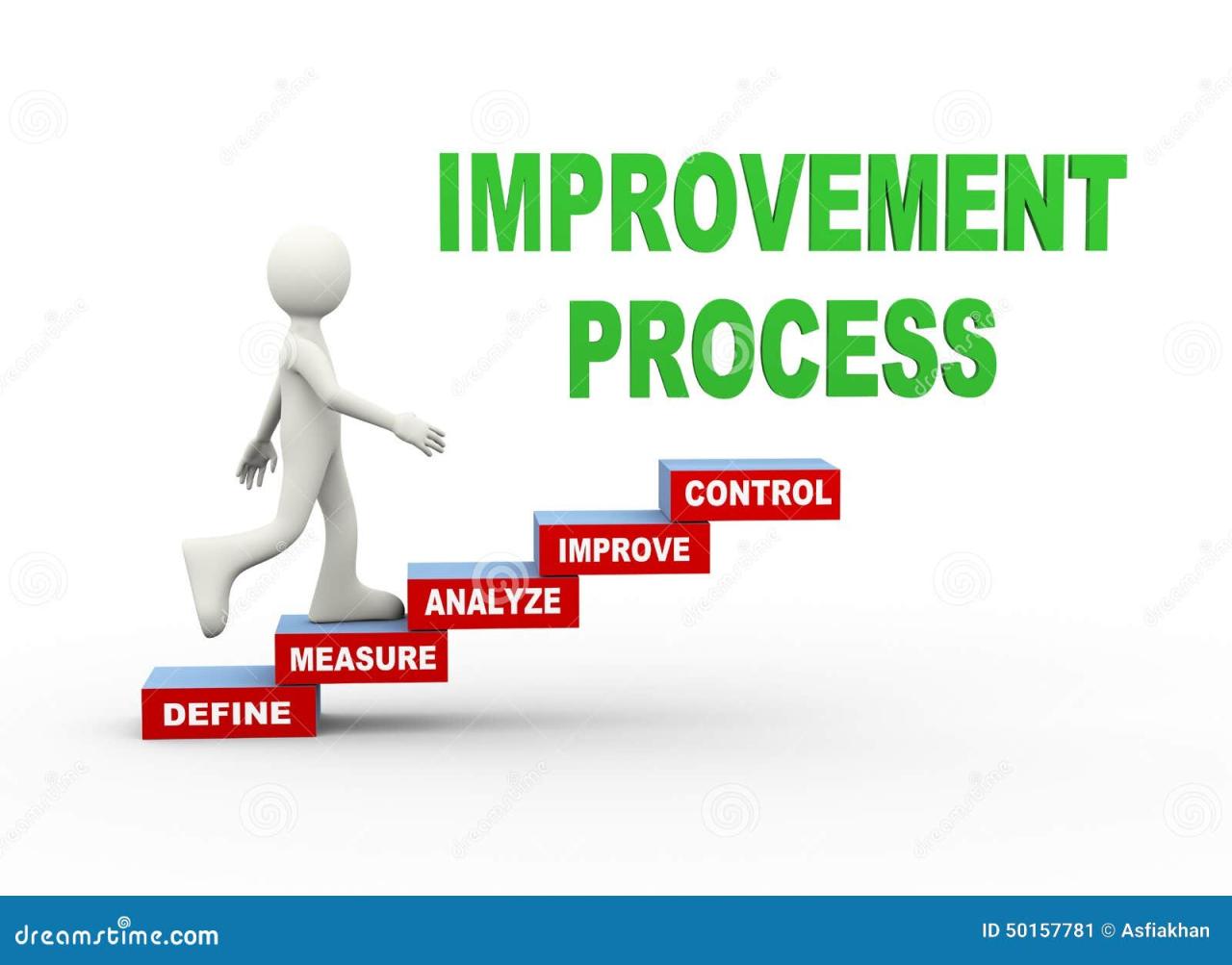
Continuous improvement in communication skills is crucial for sustained team success. A proactive approach to development, incorporating regular training and feedback mechanisms, ensures that communication remains a strong foundation for teamwork. This section Artikels a structured plan for fostering ongoing improvement in communication proficiency.Effective communication is not a static skill; it evolves and refines over time. Just as any other skill, communication benefits from consistent practice, feedback, and adaptation to changing circumstances.
A proactive approach to skill development is essential to maintain and enhance communication effectiveness within the team.
Establishing a Continuous Improvement Plan
Consistent practice and a willingness to adapt are essential for ongoing improvement in communication. A structured plan ensures focused development and sustained progress. This plan should encompass a variety of approaches, including self-assessment, peer feedback, and formal training opportunities.
Importance of Ongoing Training and Development
Regular training and development sessions are vital for maintaining and enhancing communication skills. These sessions can cover a range of topics, from active listening techniques to conflict resolution strategies. Training should be tailored to the specific needs of the team and should include opportunities for practice and application of newly acquired skills. Examples of such training can include workshops on nonverbal communication, presentations, and public speaking.
Methods for Seeking Feedback on Communication Effectiveness
Seeking feedback on communication effectiveness is crucial for identifying areas for improvement. This feedback can come from various sources, including supervisors, colleagues, and clients. Creating a safe and constructive environment for providing and receiving feedback is paramount. Tools like 360-degree feedback systems or regular one-on-one check-ins with supervisors and peers are highly effective. Formal performance reviews can also include a dedicated section for communication skill assessment.
Incorporating Communication Best Practices into Daily Work
Implementing best practices into daily routines reinforces the development of effective communication. This can involve actively listening during meetings, using clear and concise language in emails and reports, and demonstrating empathy and respect in interactions. Examples include summarizing key points from meetings in follow-up emails, actively soliciting feedback from team members during projects, and using appropriate nonverbal cues to foster understanding and collaboration.
Timeline for Developing Communication Skills
| Phase | Duration | Activities |
|---|---|---|
| Phase 1: Foundation | Weeks 1-4 | Review of fundamental communication principles, active listening exercises, and concise writing workshops. |
| Phase 2: Application | Weeks 5-8 | Practical application of learned principles in team meetings, presentations, and written communications. Peer feedback sessions are implemented. |
| Phase 3: Refinement | Weeks 9-12 | Refining communication skills through complex projects and presentations. Development of conflict resolution strategies and techniques for using technology effectively. Team members participate in workshops on intercultural communication, if necessary. |
| Phase 4: Sustainment | Ongoing | Ongoing self-assessment, seeking feedback, and participating in training opportunities to ensure continued skill development and adaptability. |
Epilogue
In conclusion, improving communication skills for teamwork is an ongoing process that requires consistent effort and a commitment to continuous learning. By understanding various communication styles, actively listening to team members, and employing clear and concise language, teams can achieve greater success and foster stronger relationships. The application of effective conflict resolution strategies, combined with utilizing technology for remote teams, will further enhance team productivity.
This guide provides a framework for building and maintaining a cohesive and productive team environment.