Effective communication is the cornerstone of successful customer service. This guide delves into the multifaceted aspects of enhancing communication skills, from active listening and verbal clarity to understanding nonverbal cues and resolving conflicts. By mastering these techniques, customer service representatives can build stronger relationships with clients and ultimately improve customer satisfaction.
This comprehensive guide covers a wide range of communication strategies, including active listening techniques, verbal and nonverbal communication skills, empathy and emotional intelligence, conflict resolution, and utilizing technology for enhanced communication. Each section will equip readers with practical strategies and actionable steps to implement in their customer service interactions.
Active Listening Techniques

Active listening is a crucial component of effective customer service communication. It involves more than just hearing the words; it’s about understanding the customer’s message, both verbally and nonverbally. By actively listening, customer service representatives can better address customer needs and concerns, leading to improved satisfaction and stronger relationships.Active listening requires a conscious effort to focus on the customer’s perspective, and it involves both verbal and nonverbal behaviors.
A customer service representative should be attentive, responsive, and empathetic to ensure a positive interaction.
Understanding Nonverbal Cues
Nonverbal cues, such as body language, tone of voice, and facial expressions, often convey more than the spoken words. Recognizing these cues can provide valuable insights into the customer’s true feelings and intentions. A customer’s furrowed brow or a sigh can indicate frustration, while a smile or a relaxed posture might signify satisfaction. A representative must pay close attention to these subtle signals to fully grasp the customer’s experience.
Focusing on Customer Needs and Concerns
To effectively address customer needs, customer service representatives must demonstrate genuine interest in understanding the customer’s perspective. This involves asking clarifying questions, paraphrasing the customer’s statements, and actively seeking to identify the underlying problem or issue. By understanding the customer’s perspective, a representative can tailor their response to meet the customer’s specific needs.
Avoiding Interruptions and Dominating the Conversation
Interrupting a customer can hinder the communication process and create a sense of disrespect. Similarly, dominating the conversation by constantly talking over the customer or not giving them adequate time to express themselves can be detrimental. A customer service representative should encourage the customer to speak freely, ensuring they feel heard and understood. By allowing the customer to express their concerns without interruption, the representative can gain a comprehensive understanding of the situation.
Reflecting Customer Statements for Understanding
Reflecting back customer statements demonstrates attentiveness and validates their concerns. This technique involves paraphrasing or summarizing the customer’s message to ensure mutual understanding. By repeating the customer’s points in your own words, the customer feels heard and validated, which can foster trust and positive communication. A good example would be saying, “So, you’re concerned about the delay in your order and its impact on your upcoming event?”
Active Listening Techniques Comparison
| Technique | Description | Example |
|---|---|---|
| Paraphrasing | Restating the customer’s message in your own words. | “So, you’re saying the product arrived damaged?” |
| Summarizing | Condensing the customer’s main points into a concise statement. | “To recap, you’re unhappy with the service provided and feel that the issue was not resolved properly.” |
| Clarifying | Asking questions to gain a deeper understanding of the customer’s concerns. | “Can you describe what specifically made you feel frustrated?” |
| Empathizing | Acknowledging and validating the customer’s feelings. | “I understand your frustration regarding this issue.” |
Verbal Communication Skills

Effective verbal communication is crucial in customer service interactions. Clear and concise language, coupled with a positive and encouraging tone, significantly impacts customer satisfaction and loyalty. Understanding how to use appropriate tone and volume, and employing open-ended questions, fosters a positive and productive dialogue, leading to more effective problem resolution and a stronger customer relationship.
Clear and Concise Language
Clear and concise language is paramount in customer service. Ambiguity and jargon can lead to misunderstandings, frustration, and ultimately, a negative customer experience. Using simple, direct language ensures that customers readily comprehend the information provided, reducing the likelihood of errors or confusion. This, in turn, fosters a sense of clarity and control for the customer.
Positive and Encouraging Language
Using positive and encouraging language in customer service interactions significantly improves the overall experience. Positive reinforcement and acknowledgment of the customer’s concerns demonstrate empathy and understanding. It conveys a sense of support and helps create a more pleasant and productive conversation. For instance, phrases like “I understand your concern,” “Let me help you with that,” or “I’m happy to assist you” project a helpful and reassuring attitude.
Appropriate Tone and Volume
Tone and volume play a significant role in conveying the intended message. A friendly and approachable tone is essential for fostering a positive relationship with customers. The volume should be adjusted according to the environment. In a quiet environment, a softer tone may suffice, while a louder tone might be necessary in a noisy setting. Crucially, the tone should always be professional and respectful, regardless of the situation.
A calm and reassuring tone helps de-escalate potentially frustrating situations.
Formal vs. Informal Communication Styles
| Characteristic | Formal Communication Style | Informal Communication Style |
|---|---|---|
| Language | Uses precise, professional vocabulary; avoids slang or colloquialisms. | Uses more conversational language, potentially incorporating slang or familiar terms. |
| Tone | Neutral, objective, and respectful. | Friendly, approachable, and conversational. |
| Address | Typically uses titles (Mr., Ms., Dr.) or formal salutations (Dear Sir/Madam). | Uses first names or informal salutations (Hi, Hello). |
| Purpose | Focuses on clarity and precision in delivering information. | Focuses on building rapport and establishing a friendly connection. |
| Examples | “We are happy to assist you with your order.” | “Hey there, how can I help you today?” |
Formal communication is suitable for official statements, while informal communication is more appropriate for building rapport. Context is key.
Open-Ended Questions
Open-ended questions are valuable tools in customer service, as they encourage customers to elaborate on their needs and concerns. This allows for a more in-depth understanding of the issue, leading to more effective problem-solving. For example, instead of asking “Are you satisfied with your order?”, one could ask “Could you tell me more about your experience with the order?”.
This encourages the customer to provide detailed information, helping identify the root cause of the problem and facilitating a more tailored resolution.
Nonverbal Communication
Effective communication in customer service extends beyond spoken words. Nonverbal cues, such as body language and facial expressions, significantly impact how customers perceive the interaction. Understanding and effectively utilizing nonverbal communication can greatly enhance the customer experience and build stronger relationships. A well-executed nonverbal communication strategy can create a more positive and trustworthy environment for both parties involved.
Impact of Nonverbal Communication on Customer Perception
Nonverbal communication plays a crucial role in shaping customer perceptions. Customers often form impressions based on subtle cues like posture, eye contact, and facial expressions, sometimes even more so than the spoken words themselves. A confident and empathetic demeanor can significantly enhance the customer’s experience, fostering trust and satisfaction. Conversely, inconsistent or inappropriate nonverbal cues can create a negative impression, leading to dissatisfaction and potentially damage the relationship.
Importance of Maintaining Eye Contact and Body Language
Consistent eye contact demonstrates attentiveness and sincerity, while avoiding eye contact can appear evasive or uninterested. Maintaining an open and approachable posture conveys confidence and willingness to engage. Conversely, closed-off postures, such as crossing arms or avoiding eye contact, can project defensiveness or disinterest. These nonverbal cues influence customer perception and ultimately affect the interaction’s outcome.
Projecting Confidence and Empathy Through Nonverbal Cues
Projecting confidence involves maintaining good posture, making appropriate eye contact, and using a firm but not aggressive tone of voice. Empathy is conveyed through mirroring the customer’s body language, using open and approachable postures, and displaying genuine interest in their concerns. By understanding and mirroring the customer’s emotional cues, a service representative can build rapport and trust.
Common Nonverbal Communication Mistakes to Avoid in Customer Service
Avoiding certain nonverbal cues is vital for effective customer service. Examples include avoiding eye contact, fidgeting, or displaying signs of impatience. These actions can convey disinterest, lack of professionalism, or even insincerity. Maintaining a relaxed yet attentive demeanor is crucial for building rapport and fostering a positive interaction.
Examples of Positive and Negative Nonverbal Cues in Customer Interactions
Positive nonverbal cues include a warm smile, attentive posture, and appropriate eye contact. These cues demonstrate empathy and build trust. Conversely, negative nonverbal cues include a furrowed brow, a distracted posture, or avoiding eye contact. These cues can signal disinterest, lack of attention, or even hostility.
Table of Nonverbal Cues and Potential Meanings
| Nonverbal Cue | Potential Meaning in Customer Service |
|---|---|
| Open posture (uncrossing arms, leaning forward) | Attentive, engaged, receptive |
| Closed posture (crossing arms, avoiding eye contact) | Defensive, uninterested, potentially dismissive |
| Smiling | Friendly, approachable, welcoming |
| Frowning | Displeased, frustrated, potentially uncooperative |
| Eye contact | Attentive, interested, sincere |
| Avoiding eye contact | Distracted, insincere, potentially evasive |
| Slouching | Lack of confidence, disinterest |
| Standing tall, with good posture | Confidence, professionalism |
| Mirroring the customer’s body language | Empathy, understanding, rapport building |
Empathy and Emotional Intelligence
Cultivating empathy and emotional intelligence is crucial for exceptional customer service. These skills allow representatives to connect with customers on a deeper level, understanding their needs and concerns beyond the surface. By demonstrating empathy, customer service professionals can build trust and foster positive relationships, ultimately leading to greater customer satisfaction and loyalty.Understanding and responding effectively to customer emotions is a cornerstone of successful customer service interactions.
This involves recognizing and validating the customer’s feelings, even if those feelings are negative or challenging. Effective strategies for responding to difficult situations are vital to maintaining a positive customer experience. A focus on compassion and understanding, combined with creating a safe and supportive environment, can significantly impact customer satisfaction.
Defining Empathy in Customer Service
Empathy in customer service transcends simply understanding a customer’s situation. It involves actively trying to understand and share the feelings of the customer. This goes beyond intellectual comprehension to include emotional resonance. A truly empathetic representative will recognize and acknowledge the customer’s emotions, whether positive or negative, and respond in a way that validates and addresses those emotions.
This builds rapport and trust.
Understanding and Acknowledging Customer Emotions
Recognizing a customer’s emotional state is a vital skill. Observe verbal cues, such as tone of voice and choice of words, as well as nonverbal cues, like body language and facial expressions. Listen actively to understand the underlying concerns behind the customer’s expressed emotions. Avoid interrupting or dismissing the customer’s feelings; instead, acknowledge their emotions with phrases like “I understand your frustration” or “I can see why you’re upset.”
Strategies for Responding to Difficult Customer Interactions
Effective strategies for handling challenging customer interactions are paramount. Actively listen to the customer’s concerns without interrupting. Validate their feelings, even if you disagree with their perspective. Remain calm and professional, even when the customer is upset. Focus on finding a resolution that addresses the customer’s needs.
If the issue is beyond your immediate control, clearly communicate the steps you will take to escalate the issue and provide updates.
Showing Compassion and Understanding
Compassion and understanding are crucial components of empathy. Show genuine concern for the customer’s situation. Actively listen to their complaints and try to see things from their perspective. Expressing sympathy for their situation, without minimizing their concerns, can go a long way. Use phrases like “I’m sorry you’re experiencing this” or “I understand this must be frustrating.”
Creating a Safe and Supportive Environment
Creating a safe and supportive environment for customers is essential. Maintain a respectful and professional tone throughout the interaction. Avoid using aggressive or dismissive language. Clearly communicate your role and the steps you’ll take to address their concerns. Acknowledge and validate the customer’s feelings.
This creates an atmosphere of trust and cooperation, making the customer feel valued and understood.
Emotional Responses and Appropriate Responses
| Customer Emotional Response | Appropriate Response from Customer Service Representative |
|---|---|
| Frustration, anger | Active listening, validation of feelings, calm and professional tone, clear explanation of available options, offer solutions |
| Disappointment | Empathetic listening, acknowledgement of disappointment, offer solutions and next steps |
| Excitement | Positive tone, acknowledge enthusiasm, provide clear and concise information, enthusiastically address the needs |
| Fear | Reassurance, validation of feelings, provide clear and concise information, offer support and resources |
| Sadness | Empathetic listening, validation of feelings, offer support and resources, clear explanation of available options |
Conflict Resolution Strategies
Effective conflict resolution is crucial in customer service. A well-handled complaint can turn a dissatisfied customer into a loyal advocate. Conversely, a poorly managed conflict can damage a company’s reputation and lead to lost business. This section explores strategies for resolving customer conflicts constructively and efficiently.Customer conflicts, when addressed appropriately, can foster trust and strengthen the relationship between the company and its clients.
Proactive strategies for conflict resolution contribute to a positive customer experience and can even turn negative situations into opportunities for improvement.
Importance of Effective Conflict Resolution
Effective conflict resolution in customer service is vital for several reasons. It helps maintain customer satisfaction, preserves the company’s reputation, and minimizes financial losses associated with unresolved issues. By addressing concerns promptly and fairly, companies can prevent escalating disputes and foster a more positive customer experience. This can lead to increased customer loyalty and positive word-of-mouth referrals.
Different Approaches to Conflict Resolution
Several approaches can be used to resolve customer conflicts. These include the problem-solving approach, which focuses on finding a mutually beneficial solution; the accommodating approach, which prioritizes the customer’s needs; and the compromising approach, which seeks a middle ground between the company and the customer. The assertive approach involves clearly stating the company’s position while acknowledging the customer’s concerns.
Choosing the most suitable approach depends on the specific situation and the nature of the conflict.
Effective Conflict Resolution Techniques
Effective conflict resolution techniques involve active listening, empathy, and a focus on understanding the customer’s perspective. Restating the customer’s concerns in your own words ensures that you fully comprehend their issue. This shows the customer that you value their input and are actively working to resolve the problem. Maintaining a calm and professional demeanor, even when faced with a frustrated customer, is crucial.
Clearly outlining the steps the company will take to resolve the issue demonstrates a commitment to rectifying the situation.
De-escalating Tense Situations
De-escalating tense situations requires patience, empathy, and active listening. Validating the customer’s feelings, even if you don’t agree with their perspective, can help diffuse the situation. Asking clarifying questions demonstrates that you’re invested in understanding their concerns. Using a calm and reassuring tone of voice helps to create a safe and productive space for resolution. Creating a sense of control and providing options for resolution can also help de-escalate the situation.
Understanding Different Perspectives
Understanding different perspectives is critical to resolving conflicts effectively. Taking the time to listen to both sides of the conflict allows for a comprehensive understanding of the situation. This involves not only listening to the customer’s complaints but also considering the company’s perspective and the underlying reasons for the conflict. By acknowledging and addressing all relevant points of view, you can find a solution that satisfies both parties.
Table of Conflict Resolution Techniques
| Conflict Resolution Technique | Description | Application in Customer Service |
|---|---|---|
| Problem-solving | Focuses on finding a solution that satisfies both the customer and the company. | Identifying the root cause of the problem and proposing mutually beneficial solutions. |
| Accommodating | Prioritizes the customer’s needs and concerns. | Offering a discount or a free replacement to satisfy the customer. |
| Compromising | Seeks a middle ground between the customer and the company. | Offering a partial refund or a modified product to satisfy both parties. |
| Assertive | Clearly states the company’s position while acknowledging the customer’s concerns. | Explaining company policies while offering alternative solutions. |
Feedback and Improvement
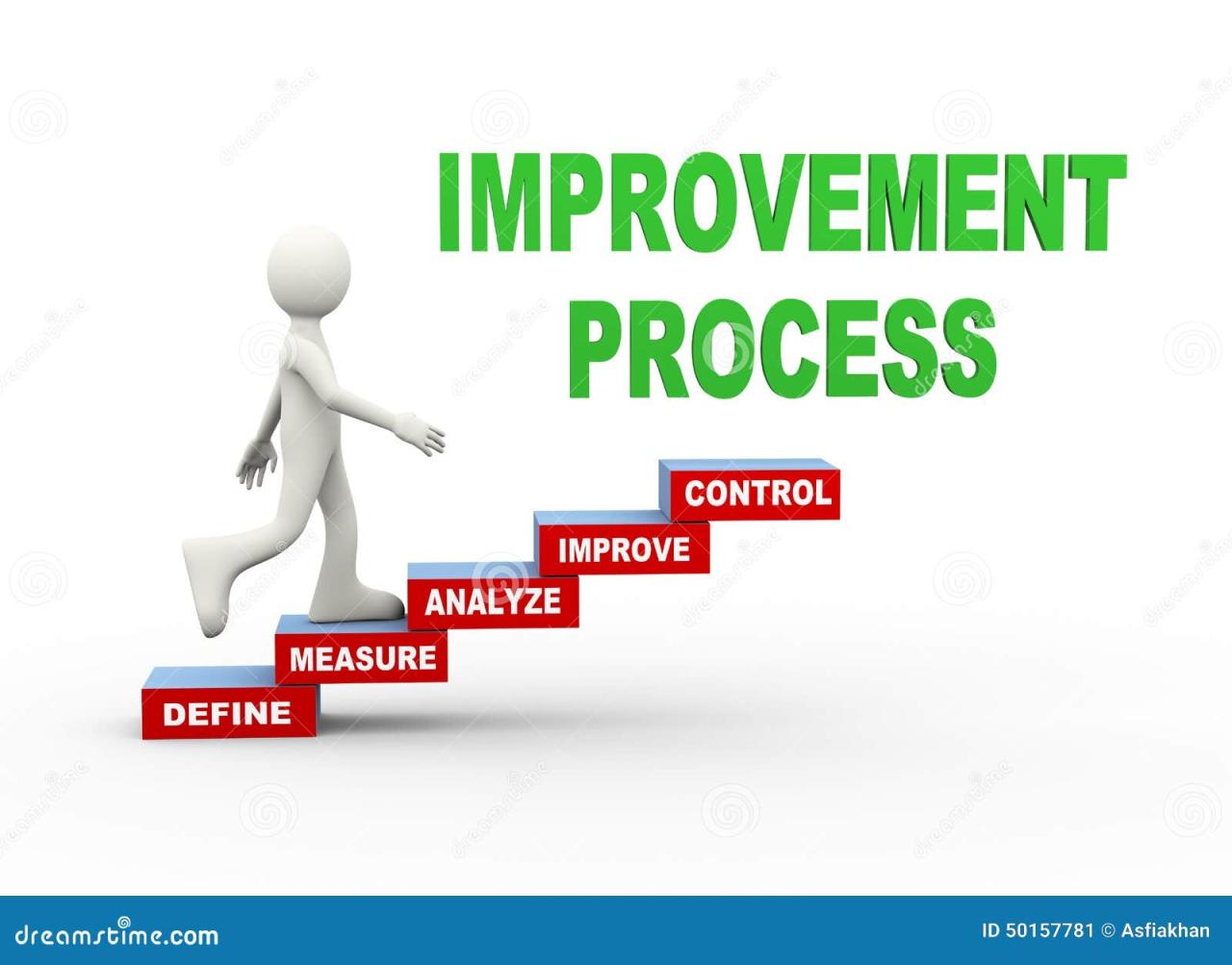
Effective customer service hinges on a continuous cycle of improvement. Gathering and analyzing customer feedback is crucial for identifying areas where communication can be enhanced and for refining strategies to meet evolving customer needs. This process not only strengthens the customer experience but also fosters a more productive and engaged customer service team.
Importance of Gathering Customer Feedback
Customer feedback provides invaluable insights into the effectiveness of communication strategies. It allows businesses to understand customer perceptions of their interactions, pinpoint areas of excellence, and identify weaknesses in their communication approaches. By actively seeking and analyzing customer feedback, organizations can adjust their methods to deliver better service, leading to higher customer satisfaction and loyalty.
Strategies for Collecting and Analyzing Customer Feedback
Several strategies can be employed to collect and analyze customer feedback effectively. These include surveys, feedback forms, customer reviews, and social media monitoring. Analyzing this data requires a systematic approach, often involving the use of analytics tools and reports to identify trends and patterns. This process allows for a comprehensive understanding of customer experiences and enables data-driven decisions to improve communication.
Examples of Using Feedback to Improve Communication Skills
Customer feedback can be used to pinpoint specific communication challenges. For example, if surveys consistently highlight difficulties in understanding complex technical information, training programs can be developed to equip staff with better explanations and clarification techniques. Similarly, if customers report feeling rushed during interactions, service protocols can be adjusted to allocate more time for each call, fostering a more patient and comprehensive approach.
Implementing Changes Based on Customer Feedback
Implementing changes based on customer feedback necessitates a clear action plan. Once identified, areas for improvement should be addressed with specific and actionable steps. For example, if a survey reveals that customers are frustrated with the length of hold times, implementing a more efficient queuing system or providing alternative communication options (e.g., live chat) is necessary.
Importance of Ongoing Training and Development for Customer Service Staff
Continuous training and development for customer service staff are crucial to maintain high communication standards. This includes providing ongoing training on active listening, verbal and nonverbal communication techniques, and conflict resolution. Regular updates on industry best practices and emerging customer expectations are essential to keep staff informed and equipped to deliver exceptional service.
Methods for Gathering and Analyzing Customer Feedback
| Method | Description | Analysis Approach |
|---|---|---|
| Surveys | Structured questionnaires used to gather opinions and preferences. | Statistical analysis of responses to identify patterns and trends. |
| Feedback Forms | Simple forms available on-site or online for immediate customer input. | Categorization and frequency analysis of comments to highlight recurring themes. |
| Customer Reviews | Feedback posted online, often on review platforms. | Sentiment analysis tools can help identify positive and negative feedback. |
| Social Media Monitoring | Tracking customer conversations on social media platforms. | Monitoring for mentions of the brand and identifying areas for improvement based on comments. |
| Customer Interviews | Direct conversations with customers to gain in-depth understanding. | Transcription and thematic analysis of interview recordings to extract key themes and insights. |
Cultural Sensitivity in Communication
Cultivating cultural sensitivity is paramount in customer service interactions. Understanding and appreciating diverse communication styles is crucial for building rapport, fostering trust, and ultimately, achieving positive outcomes. Customers from different cultural backgrounds may have varying expectations and communication preferences. Successfully navigating these differences demonstrates respect and strengthens customer relationships.Cultural sensitivity goes beyond simply acknowledging differences; it involves actively adapting communication styles to ensure effective and respectful interactions.
By understanding the nuances of different cultural norms, customer service representatives can bridge potential communication gaps and create a more inclusive and welcoming environment for all.
Importance of Cultural Sensitivity
Effective communication in a diverse customer base hinges on cultural sensitivity. Recognizing and respecting diverse communication styles is vital for building strong customer relationships and fostering trust. Customers appreciate feeling understood and valued, leading to increased satisfaction and loyalty.
Examples of Cultural Differences Impacting Communication
Various cultural norms influence communication styles. Directness, for instance, varies significantly. Some cultures value direct and explicit communication, while others prioritize indirect and nuanced approaches. Similarly, nonverbal cues like eye contact, personal space, and body language carry different meanings across cultures. These subtle yet significant differences can easily lead to misunderstandings if not addressed with sensitivity.
For example, a direct question about a product’s price in a culture that values indirectness could be perceived as aggressive or intrusive. Likewise, a lack of eye contact in a culture that values it might be interpreted as disinterest or disrespect.
Adapting Communication Styles to Different Cultural Backgrounds
Adapting communication styles to various cultural backgrounds requires flexibility and an open mind. Active listening and asking clarifying questions are essential tools. Employing respectful and inclusive language is paramount. For instance, avoiding slang or jargon that might not be understood by customers from different cultural backgrounds is crucial. Acknowledging potential language barriers by offering translation services or using simple language is another vital consideration.
In situations where direct communication is not preferred, using indirect and tactful approaches can be beneficial.
Strategies for Avoiding Misunderstandings
To avoid misunderstandings stemming from cultural differences, a proactive approach is necessary. Employing clear and concise language, avoiding ambiguous phrases, and being mindful of nonverbal cues are vital. Active listening and seeking clarification when needed are also essential. Asking open-ended questions and encouraging two-way communication helps ensure mutual understanding.
Showing Respect for Diverse Communication Styles
Respecting diverse communication styles is a key aspect of cultural sensitivity. Actively listening to customers without interruption, showing empathy, and being patient are crucial. Acknowledging and valuing different communication preferences are essential components of building trust and rapport. Respectful language and tone are key to demonstrating appreciation for varied communication approaches.
Table Comparing and Contrasting Communication Styles
| Culture | Communication Style | Directness | Nonverbal Cues | Feedback |
|---|---|---|---|---|
| North American | Direct, explicit | High | Eye contact valued, personal space moderate | Direct, constructive |
| Asian (e.g., Japan, China) | Indirect, nuanced | Low | Eye contact less direct, personal space smaller | Indirect, subtle |
| Latin American (e.g., Mexico, Brazil) | Emotional, expressive | Moderate | Nonverbal cues important, personal space closer | Indirect, implicit |
| Middle Eastern (e.g., Saudi Arabia, UAE) | Respectful, indirect | Low | Nonverbal cues significant, personal space closer | Indirect, relational |
This table highlights general tendencies. Individual variations exist within each culture. It is essential to avoid generalizations and focus on understanding individual preferences within each cultural context.
Written Communication Skills
Effective written communication is crucial in customer service, as it forms the basis of many interactions. Clear, concise, and professional written communication fosters positive customer relationships, avoids misunderstandings, and ensures that crucial information is conveyed accurately. This section will detail strategies for crafting effective written communications, from emails and letters to internal service documents.
Examples of Clear and Concise Written Communication
Well-structured written communication is key to a positive customer experience. Here are some examples of how to write clear and concise emails or letters to customers:
- Subject Line Clarity: A clear and concise subject line immediately informs the customer of the email’s purpose. For example, instead of “Account Update,” use “Account Update – Order #12345.” This allows the recipient to quickly understand the email’s content.
- Concise Body: Avoid unnecessary jargon or overly complex sentences. Get straight to the point, providing essential information in a straightforward manner. For example, instead of “We are pleased to inform you that your order has been processed,” use “Your order, #12345, has been processed.”
- Actionable Information: Provide clear next steps and instructions for the customer. For instance, if the customer needs to provide additional information, include a request for specific details and a timeframe for their response.
Appropriate Tone and Language
Maintaining the right tone and language is vital for professionalism. Using courteous and respectful language creates a positive experience for the customer. Avoid using slang, informal abbreviations, or overly casual language.
- Formal Language: Use formal language in all written communication. Avoid contractions like “don’t” or “can’t.” Instead, use their formal counterparts “do not” and “cannot.”
- Positive and Solution-Oriented Approach: Focus on providing solutions and offering assistance. Frame issues as opportunities to help the customer. For example, instead of “Your account is suspended,” use “We’ve noticed an issue with your account and want to help resolve it.”
- Empathetic Language: While maintaining formality, use language that acknowledges the customer’s perspective. For instance, “We understand your frustration” or “We’re sorry for any inconvenience this may have caused.”
Maintaining Professionalism in Written Communication
Professionalism in written communication involves adhering to specific guidelines that project a positive and credible image.
- Proofreading and Editing: Carefully review all written communication for grammatical errors, typos, and clarity issues. Ensure accuracy in the information presented. Employ spell-check and grammar tools to guarantee accuracy.
- Appropriate Salutations and Closings: Use appropriate salutations (“Dear Mr./Ms./Mx. [Last Name]”) and closings (“Sincerely,” “Regards”).
- Respectful Language: Avoid any language that could be offensive or discriminatory. Focus on creating a positive and respectful experience for the customer.
Strategies for Clarity and Conciseness
Strategies for clarity and conciseness are vital for ensuring that the message is easily understood and retained.
- Active Voice: Use active voice whenever possible. Active voice is more direct and easier to understand. For example, “We processed your order” is more direct than “Your order was processed by us.”
- Short Paragraphs: Break down complex information into shorter paragraphs for better readability. This helps the customer easily digest the information.
- Bullet Points and Lists: Use bullet points and lists to present information in a clear and organized manner, especially for instructions or lists of items.
Importance of Proofreading and Editing
Proofreading and editing are essential steps in ensuring accuracy and professionalism. They significantly reduce errors and ensure that the message is conveyed effectively.
- Accuracy: Proofreading and editing guarantee the accuracy of information presented to the customer. Correcting errors prevents misunderstandings and maintains a professional image.
- Clarity: These steps help ensure the message is clear and easily understood. This improves customer satisfaction and reduces the likelihood of confusion.
- Professionalism: Errors can damage a company’s image. Proofreading and editing are crucial for projecting a professional and credible image to the customer.
Table of Different Scenarios and Appropriate Written Communication Formats
This table provides a concise overview of different customer service scenarios and the corresponding appropriate written communication formats.
| Scenario | Appropriate Format | Example |
|---|---|---|
| Order Confirmation | “Dear [Customer Name], Your order #[Order Number] has been placed successfully…” | |
| Account Issue Resolution | Email or Letter | “Dear [Customer Name], We’ve resolved the issue with your account…” |
| Shipping Update | “Dear [Customer Name], Your order #[Order Number] has shipped and is expected to arrive by [Date]…” | |
| Complaint Resolution | Email or Letter | “Dear [Customer Name], We have reviewed your complaint and are pleased to inform you that [Action taken]…” |
Using Technology for Enhanced Communication

Effective communication in customer service is no longer limited to face-to-face interactions or phone calls. Integrating technology strategically enhances the customer experience and streamlines operations. Modern customers expect quick responses and personalized interactions, making technological proficiency a key element of successful customer service.
Importance of Utilizing Communication Technology
Technology provides numerous advantages in customer service, enabling faster responses, personalized interactions, and improved data management. Utilizing communication technology effectively can lead to increased customer satisfaction, reduced response times, and enhanced operational efficiency. Real-time communication tools enable immediate issue resolution, fostering positive customer relationships.
Using Chatbots for Customer Service
Chatbots are becoming increasingly prevalent in customer service, offering 24/7 support and handling routine inquiries. They can provide instant answers to frequently asked questions, freeing up human agents to handle more complex issues. This automated support streamlines the initial stages of customer interaction, allowing agents to focus on more challenging tasks. Examples include chatbots on e-commerce websites that answer questions about product availability, shipping times, or return policies.
Utilizing Social Media for Customer Service
Social media platforms offer valuable channels for customer service interaction. Companies can address concerns, gather feedback, and engage directly with customers in a public forum. Prompt and professional responses to social media posts demonstrate a company’s commitment to customer service, fostering trust and loyalty. Monitoring social media channels allows businesses to identify trends and issues, enabling proactive responses and preventative measures.
For example, a company might use Twitter to announce a product recall or a social media post to resolve a customer’s issue regarding a faulty product.
Adapting Communication Methods Based on Customer Preference
Understanding and accommodating customer preferences in communication channels is critical. Some customers may prefer email for detailed inquiries, while others might prefer instant messaging for quick responses. Tailoring communication methods to individual preferences creates a personalized experience and builds stronger customer relationships.
Managing Multiple Communication Channels Effectively
Managing multiple communication channels requires a well-defined strategy. A centralized platform that allows agents to access all customer interactions across different channels ensures consistent and efficient responses. Integrating these channels ensures customers are receiving timely and relevant support, regardless of the chosen platform.
Comparison of Communication Platforms
| Platform | Use Cases | Strengths | Weaknesses |
|---|---|---|---|
| Complex inquiries, detailed information, sensitive discussions | Formal, allows for detailed responses, easily archived | Slower response time, not suitable for immediate support | |
| Live Chat | Quick questions, troubleshooting, order status updates | Immediate feedback, real-time interaction | May not be suitable for complex issues, requires trained agents |
| Social Media | Addressing public concerns, gathering feedback, engaging with customers | Direct interaction, public visibility, real-time engagement | Potential for negative publicity if not managed well, requires continuous monitoring |
| Phone | Complex issues, sensitive situations, building rapport | Allows for nuanced conversation, building personal connection | Not suitable for all issues, may be challenging to manage high call volume |
Final Wrap-Up

In conclusion, improving communication skills for customer service is an ongoing process that requires continuous learning and refinement. By focusing on active listening, clear verbal communication, understanding nonverbal cues, demonstrating empathy, resolving conflicts effectively, and leveraging technology, customer service representatives can foster positive customer interactions and drive exceptional results. This guide provides a strong foundation for building a more effective and client-centric approach to customer service.