Public speaking often sparks anxiety, but mastering the art of presentation requires understanding and managing nervousness. This guide delves into practical strategies for effectively handling pre-presentation anxiety, from understanding its roots to building lasting confidence. By exploring various techniques, from physical relaxation to cognitive restructuring, we aim to empower you to approach presentations with poise and control.
This comprehensive resource provides a detailed roadmap for navigating the challenges of pre-presentation nervousness. We’ll explore the physiological and psychological aspects of anxiety, offering practical solutions and empowering strategies for each stage of the process. From initial preparation to post-presentation reflection, we cover the entire spectrum of managing pre-presentation anxiety.
Understanding Nervousness Before Presentations
Public speaking, while a crucial skill, often triggers significant nervousness. This apprehension is a common human experience, impacting individuals differently. Understanding the physiological and psychological underpinnings of this nervousness is key to effectively managing it and enhancing presentation performance.The experience of nervousness before a presentation is often accompanied by a cascade of physiological responses. These responses, stemming from the body’s natural “fight or flight” mechanism, can manifest in various ways.
For example, an elevated heart rate, sweaty palms, and trembling hands are common indicators. These physical manifestations are a result of increased adrenaline and cortisol levels, preparing the body for potential stress.
Physiological Responses to Nervousness
The physiological responses to nervousness are a complex interplay of hormonal and neurological reactions. Increased adrenaline release causes a surge in heart rate and breathing, leading to a heightened sense of alertness and a feeling of unease. This heightened physiological arousal can be felt as a rapid heartbeat, sweating, trembling, and even nausea. Such physical sensations often distract from the speaker’s cognitive abilities and can impact their performance.
Furthermore, the constriction of blood vessels in the extremities can lead to feelings of coldness or numbness.
Types of Nervousness Before Presentations
Individuals experience various types of nervousness before presentations. These range from mild apprehension to overwhelming anxiety.
- Pre-performance anxiety: This type of nervousness is characterized by heightened anxiety in the period immediately preceding the presentation. It often involves a racing mind, intrusive thoughts, and a preoccupation with potential negative outcomes.
- Social anxiety: This form of nervousness stems from a fear of social judgment. Individuals with social anxiety often anticipate being scrutinized and negatively evaluated during presentations, leading to intense nervousness and avoidance behavior.
- Stage fright: A specific type of anxiety related to public speaking, stage fright manifests as a fear of public performance, resulting in physical symptoms like sweating, trembling, and difficulty speaking clearly. This fear can stem from past experiences or a perceived lack of confidence.
Sources and Triggers of Presentation Nervousness
Several factors can contribute to nervousness before presentations.
- Past negative experiences: A previous experience with a poorly received presentation, or a public speaking failure, can create a fear of repeating that outcome.
- Lack of preparation: Inadequate preparation, leading to uncertainty and a feeling of being unprepared, is a common source of anxiety. The speaker might feel overwhelmed by the material, or the lack of a clear structure can lead to uncertainty. An unprepared speaker is more prone to nervousness.
- Fear of judgment: The concern about being judged by the audience or perceived as incompetent can significantly impact presentation nervousness. This concern can stem from self-doubt or an over-sensitivity to external criticism.
- Unfamiliarity with the environment: An unfamiliar venue or audience can increase nervousness due to uncertainty and a lack of control over the situation. This includes uncertainty about the technology and tools available.
Psychological Impact on Performance
Nervousness can significantly affect performance during presentations. The physiological responses associated with nervousness can interfere with cognitive processes, such as memory retrieval, attention span, and decision-making.
- Reduced cognitive function: The heightened physiological arousal associated with nervousness can impair cognitive functions. This can lead to difficulty recalling information, decreased focus, and a struggle to organize thoughts effectively. The speaker might find themselves mentally blocking out important details.
- Impaired communication: Nervousness can disrupt the speaker’s ability to communicate effectively. The speaker may experience stammering, forgetfulness, or difficulty maintaining eye contact, thereby impacting the audience’s reception of the message.
- Negative self-perception: Experiencing nervousness can lead to negative self-perceptions, hindering future performance and confidence. The speaker may internalize the negative feelings as a reflection of their ability or worth, creating a vicious cycle.
Comparison of Different Types of Nervousness
| Type of Nervousness | Description | Impact on Performance |
|---|---|---|
| Pre-performance anxiety | High anxiety immediately before the presentation | Difficulty concentrating, racing thoughts, potential memory lapses |
| Social anxiety | Fear of social judgment and evaluation | Difficulty making eye contact, speaking with clarity, potential avoidance |
| Stage fright | Fear of public performance | Physical symptoms (trembling, sweating), difficulty with verbal delivery |
Managing Physical Symptoms

Overcoming nervousness before a presentation often involves addressing the physical manifestations that accompany anxiety. Recognizing and managing these physical symptoms can significantly reduce overall anxiety and improve performance. This section provides practical techniques for controlling physical responses, such as sweating and a rapid heartbeat, and offers a structured approach to relaxation.Effective management of physical symptoms is crucial in reducing the overall anxiety associated with public speaking.
Strategies such as deep breathing and progressive muscle relaxation can effectively counteract the physiological responses to stress. Mindfulness exercises can further enhance emotional regulation and promote a sense of calm.
Relaxation Techniques
Relaxation techniques are essential tools for managing the physical symptoms of nervousness. These techniques help to calm the nervous system, reducing physiological responses like increased heart rate and sweating. Through practice, these techniques can become automatic responses to stress, providing a readily available tool for managing anxiety.
- Deep Breathing Exercises: Deep, controlled breathing is a fundamental technique for calming the nervous system. Incorporating slow, deliberate breaths can help regulate heart rate and reduce feelings of panic. Diaphragmatic breathing, focusing on the expansion of the abdomen, is particularly effective. By consciously slowing and deepening breaths, individuals can induce a state of relaxation and reduce the physiological manifestations of anxiety.
- Progressive Muscle Relaxation: This technique involves systematically tensing and releasing different muscle groups in the body. This process helps to identify and release physical tension, a common contributor to nervousness. By focusing on the sensations of tension and release, individuals can learn to identify and manage physical tension, leading to a more relaxed state.
Controlling Physical Manifestations
Identifying and addressing specific physical manifestations of nervousness is crucial. Understanding the triggers and responses allows for more targeted interventions.
- Sweating: Sweating is a common physiological response to stress. While unavoidable in some situations, techniques like deep breathing and progressive muscle relaxation can help mitigate excessive sweating. Wearing breathable clothing can also help manage the discomfort associated with sweating.
- Rapid Heartbeat: A rapid heartbeat often accompanies nervousness. Deep breathing exercises, as mentioned previously, are highly effective in slowing the heart rate. Mindfulness techniques can also help individuals focus on the present moment, reducing the perceived threat associated with the presentation and slowing the heart rate.
Mindfulness Exercises
Mindfulness exercises are powerful tools for reducing anxiety by fostering present-moment awareness. By focusing on the present, individuals can detach from worries about the future and anxieties surrounding the presentation.
- Body Scan Meditation: This exercise involves systematically bringing awareness to different parts of the body, noticing sensations without judgment. This practice promotes a sense of grounding and allows individuals to identify and release physical tension, reducing the physiological symptoms of nervousness.
- Mindful Walking: This practice involves paying attention to the physical sensations of walking, the rhythm of steps, and the environment. This grounding exercise can help individuals connect with the present moment and reduce distracting thoughts about the presentation.
Relaxation Technique Effectiveness
The effectiveness of various relaxation techniques can vary based on individual responses and the specific situation. Regular practice is key to maximizing their benefits.
| Relaxation Technique | Effectiveness | Description |
|---|---|---|
| Deep Breathing | High | Regulates heart rate, reduces panic |
| Progressive Muscle Relaxation | Moderate to High | Reduces physical tension, promotes relaxation |
| Mindfulness Meditation | High | Promotes present-moment awareness, reduces anxiety |
Cognitive Restructuring
Overcoming nervousness often involves addressing not just the physical symptoms, but also the negative thought patterns that fuel anxiety. Cognitive restructuring is a powerful technique for identifying and challenging these negative thoughts, replacing them with more realistic and positive perspectives. This approach equips individuals with the tools to proactively manage their anxiety before and during presentations.Cognitive restructuring is a process of identifying, analyzing, and altering negative or unhelpful thought patterns that contribute to anxiety.
By recognizing these patterns and replacing them with more realistic and positive ones, individuals can significantly reduce their nervousness and improve their performance during presentations.
Negative Thought Patterns During Presentations
Negative thought patterns often revolve around concerns about performance, audience perception, and potential failure. Common examples include: “I’m going to completely bomb this presentation,” “Everyone will think I’m an idiot,” or “My presentation is too boring and no one will care.” These thoughts are often automatic and unhelpful, leading to heightened anxiety. Recognizing these patterns is the first step in managing them.
Identifying and Reframing Negative Thoughts
Identifying these negative thought patterns involves self-awareness and introspection. Pay close attention to the internal dialogue during moments of anxiety. Write down these thoughts to gain a clearer understanding of their nature. Once identified, the next step is reframing these thoughts. Reframing involves challenging the validity of the negative thoughts and replacing them with more realistic and positive alternatives.
For example, instead of “I’m going to completely bomb this presentation,” a more constructive thought might be “I’ve prepared well and I’m confident in my ability to deliver a strong presentation.”
Step-by-Step Cognitive Restructuring Process
| Step | Action | Example |
|---|---|---|
| 1. Identify the Negative Thought | Recognize the specific negative thought or belief triggering anxiety. | “I’m going to forget everything I’ve learned.” |
| 2. Evaluate the Evidence | Objectively assess the evidence supporting and contradicting the negative thought. | “While I might stumble on a few words, I’ve practiced extensively and have notes.” |
| 3. Challenge the Thought | Question the validity and rationality of the negative thought. Ask yourself “Is this thought really accurate?” | “Is it likely I will forget everything?” “Have I ever forgotten everything in a similar situation?” |
| 4. Generate Alternative Thoughts | Develop more realistic and positive alternative perspectives. | “I’ve prepared thoroughly and have backup information to fall back on.” |
| 5. Evaluate the Alternative Thoughts | Assess the potential outcomes associated with the alternative thoughts. | “A slight lapse in memory will not ruin the entire presentation.” |
| 6. Apply the Alternative Thought | Replace the negative thought with the alternative thought. | Replace “I’m going to forget everything” with “I’m prepared and I’ll be fine.” |
| 7. Monitor and Adjust | Continuously monitor and adjust the cognitive restructuring process as needed. | If anxiety returns, revisit the steps to refine the reframing process. |
Preparation and Practice

Thorough preparation is a cornerstone of effective presentations and a powerful tool for mitigating pre-presentation nervousness. A well-structured and rehearsed presentation fosters confidence and reduces the feeling of being overwhelmed. By investing time in these preparatory steps, presenters can significantly improve their delivery and connect more effectively with their audience.Understanding the material and crafting a clear message is essential.
A well-organized presentation, with clear transitions and logical flow, empowers the presenter to navigate the delivery with assurance. This structure allows the presenter to focus on conveying their message rather than struggling to recall the next point. This mental clarity is a key element in reducing anxiety.
Structuring Presentation Content
A well-structured presentation ensures a seamless flow of information, which directly impacts the presenter’s confidence. A clear structure not only aids the audience in understanding the information but also facilitates the presenter’s ability to deliver the content fluently. This, in turn, contributes to a more relaxed and assured presentation.
- Introduction: Begin with a compelling hook that grabs the audience’s attention and clearly states the presentation’s purpose. This sets the stage for a focused and engaging presentation.
- Body: Divide the main points into logical sections, each addressing a specific aspect of the topic. Use headings and subheadings to create a hierarchical structure that guides the audience through the presentation. Transitions between sections should be smooth and meaningful, highlighting the connection between ideas.
- Conclusion: Summarize the key takeaways and reiterate the presentation’s purpose. Offer a final thought or call to action to leave a lasting impression on the audience.
Conciseness and Clarity
Prioritizing conciseness in presentation content is vital for maintaining audience engagement and reducing presenter anxiety. Clear, concise language avoids unnecessary jargon and ensures the message is conveyed effectively. This clarity allows the presenter to focus on delivering the message rather than getting bogged down in complex or ambiguous language.
- Use simple language: Avoid overly technical terms or jargon that might confuse the audience. Focus on plain and straightforward language that everyone can easily understand.
- Eliminate redundancies: Ensure each point adds value and avoid repeating information. Concentrate on conveying the core message in a succinct manner.
- Prioritize key takeaways: Identify the most important information and focus on delivering those points effectively. This helps to maintain the audience’s interest and reduce the need for extensive explanations.
Practicing the Presentation
Rehearsing the presentation multiple times is critical for reducing anxiety and enhancing delivery. Consistent practice builds familiarity with the material and reduces the fear of forgetting key points. This familiarity allows the presenter to deliver the presentation with more confidence and assurance.
- Rehearse in various settings: Practice in different environments, such as alone, with colleagues, or even in front of a mirror. This will help you gauge your performance and identify potential areas for improvement.
- Time the presentation: Accurately estimate the time required for each section to ensure the presentation stays within the allocated timeframe. Practicing with a timer allows for a smooth and controlled presentation.
- Record yourself: Recording yourself while practicing allows for a critical self-evaluation. This will help to identify areas for improvement in terms of body language, pacing, and vocal tone.
Creating an Anxiety-Reducing Presentation
A presentation that fosters a relaxed atmosphere can directly reduce the presenter’s anxiety. This can be achieved by incorporating strategies that create a comfortable and engaging experience for both the presenter and the audience.
- Visual aids: Use visuals to break up text and keep the audience engaged. Images, graphs, and charts can add depth to the presentation and make the content more memorable.
- Interactive elements: Incorporate questions, polls, or activities to keep the audience involved. This interaction will not only help to engage the audience but also keep the presenter focused and relaxed.
- Humor (appropriately): Integrating appropriate humor can lighten the atmosphere and help ease any tension. Humor should be relevant to the presentation and contribute to the overall message.
Building Confidence and Self-Esteem
Cultivating confidence and a strong self-image is crucial for effectively managing nervousness before a presentation. A positive self-perception can significantly reduce anxiety and allow for a more focused and engaging delivery. This section explores techniques to bolster your confidence and foster a positive self-image, ultimately leading to a more successful presentation.Developing a robust sense of self-efficacy, or belief in one’s capabilities, is paramount in overcoming presentation anxiety.
This involves recognizing your strengths and past accomplishments, and understanding that your skills and knowledge are valuable assets.
Techniques for Building Confidence
Confidence is not a fixed trait; it can be developed and strengthened through consistent effort. Here are some practical techniques:
- Acknowledge Past Successes: Reflect on past presentations, projects, or achievements. Identify what went well and what you learned from the experience. Highlighting these positive experiences can remind you of your capabilities and build a sense of accomplishment. For example, recalling a successful project where you presented a complex idea clearly can build confidence for a similar presentation.
- Focus on Strengths: Identify your unique strengths and talents. What are you good at? What do others compliment you on? Highlighting your strengths can help you feel more capable and prepared. For instance, if you excel at explaining intricate concepts, use this strength to frame your presentation around clear and concise explanations.
- Seek Feedback from Trusted Sources: Request constructive feedback from mentors, colleagues, or trusted friends on your presentation material. This feedback can provide valuable insights and help you refine your approach, bolstering your confidence in your preparation.
- Practice Active Listening: Engage in active listening during presentations by others. Observe how they handle their nerves and how they connect with the audience. This can provide inspiration and insight into effective communication techniques.
Positive Self-Talk
Positive self-talk plays a vital role in managing anxiety. Negative self-talk can fuel anxiety and undermine confidence. Shifting your inner dialogue to a more positive and empowering perspective is a powerful tool.
- Replace Negative Thoughts with Positive Affirmations: Instead of thinking “I’m going to mess up,” try “I am prepared and capable of delivering this presentation.” Reframe negative thoughts into positive and empowering statements. This helps to counter the anxiety-inducing self-criticism.
- Focus on Effort and Progress: Concentrate on the effort you’ve put into preparing for the presentation. Recognize the progress you’ve made, even if you feel like you haven’t reached perfection. Acknowledging your effort and progress is a significant factor in building confidence.
Developing a Positive Self-Image
A positive self-image is crucial for managing anxiety and enhancing confidence. Understanding your strengths, appreciating your efforts, and accepting your imperfections contribute to a more resilient and confident self-perception.
- Embrace Imperfection: Understand that everyone makes mistakes. View mistakes as learning opportunities, not failures. Embrace your imperfections, recognizing that they make you human and relatable.
- Practice Self-Compassion: Treat yourself with the same kindness and understanding that you would offer a friend. Acknowledge your feelings of anxiety and nervousness, and offer yourself support. This fosters self-acceptance and a more compassionate self-image.
- Celebrate Small Victories: Acknowledge and celebrate your accomplishments, no matter how small. This reinforces a positive self-image and fosters a growth mindset.
Visualizing Success
Visualization is a powerful tool for building confidence and managing anxiety. Mentally rehearsing the presentation and visualizing a successful outcome can significantly reduce pre-presentation nervousness.
- Mentally Rehearse the Presentation: Visualize yourself delivering the presentation smoothly, engaging with the audience, and handling any potential challenges confidently. This mental rehearsal builds familiarity and reduces anxiety.
- Visualize a Positive Outcome: Imagine yourself successfully completing the presentation, receiving positive feedback, and feeling a sense of accomplishment. This positive visualization helps cultivate confidence and reduces anxiety.
Addressing Specific Anxiety Triggers
Understanding the specific triggers that contribute to pre-presentation nervousness is crucial for effective management. Identifying these triggers allows for tailored strategies to mitigate their impact and build resilience. By recognizing and addressing these anxieties, individuals can significantly reduce their stress levels and enhance their presentation performance.Specific anxieties often stem from a fear of negative evaluation, which can manifest in various forms.
These include the fear of public speaking, fear of failure, and fear of criticism or judgment. Furthermore, unexpected events during a presentation can exacerbate existing anxieties, demanding flexible coping mechanisms. A structured approach to identifying and managing these triggers is essential for a successful presentation experience.
Fear of Public Speaking
Public speaking anxiety is a common phenomenon. It’s often rooted in a perceived lack of control over the situation and the fear of being judged by the audience. Strategies for managing this fear include thorough preparation, focusing on the content rather than personal anxieties, and practicing the presentation in various settings. Visualizing a successful presentation can also be a helpful technique.
Fear of Failure
The fear of failure can be paralyzing, leading to procrastination and avoidance behaviors. Recognizing this fear as a normal part of the human experience is the first step in managing it. Focus on the value of the presentation, the learning opportunity, and the potential for growth. Remember that every presentation, even a perceived failure, provides an opportunity for improvement.
Setting realistic goals and celebrating small achievements can also foster a more positive mindset.
Fear of Criticism or Judgment
The anticipation of negative feedback from the audience can be a significant source of pre-presentation anxiety. Remembering that the audience is usually supportive and invested in the presentation can help. Focus on connecting with the audience, sharing your message with passion, and maintaining a positive attitude. Remind yourself that constructive criticism is often an opportunity for improvement.
Handling Unexpected Situations
Unexpected events during a presentation, such as technical glitches or audience questions, can disrupt the flow and heighten anxiety. Developing a plan for handling these unexpected situations beforehand can mitigate the impact. This involves having backup materials, practicing improvisation skills, and maintaining composure under pressure. Anticipating potential challenges and having contingency plans can significantly reduce anxiety.
Table of Specific Anxiety Triggers and Coping Mechanisms
| Anxiety Trigger | Coping Mechanism |
|---|---|
| Fear of Public Speaking | Thorough preparation, focusing on content, practicing in various settings, visualization |
| Fear of Failure | Realistic goal setting, celebrating small achievements, recognizing failure as a learning opportunity |
| Fear of Criticism/Judgment | Connecting with the audience, passionate delivery, positive attitude, understanding constructive criticism |
| Unexpected Situations | Backup materials, improvisation skills, maintaining composure, contingency plans |
Post-Presentation Reflection
![How to Overcome Nervousness When Giving a Presentation [VIDEO]](https://teknobaca.web.id/wp-content/uploads/2025/09/tips-to-reduce-nervousness-during-a-presentation-1024x512-1.jpg "How to Overcome Nervousness When Giving a Presentation [VIDEO]")
Post-presentation reflection is a crucial step in the continuous improvement of presentation skills. It allows for a critical analysis of the delivery, identifying strengths and weaknesses, and ultimately contributing to future success. This process isn’t about dwelling on mistakes, but rather using them as learning opportunities. Taking time to reflect enables presenters to refine their approach and build a more polished and effective communication style.Careful consideration of the presentation’s execution, from the initial introduction to the concluding remarks, allows for a deeper understanding of the experience.
This reflection process is invaluable in fostering growth and ensuring future presentations are well-structured, engaging, and impactful.
Identifying Areas for Improvement
Thorough self-assessment is key to pinpointing areas for enhancement. This process involves a detailed review of the presentation’s structure, content delivery, and overall impact. The aim is not simply to identify flaws, but to understand the reasons behind them and how to address them in future presentations. This systematic approach allows presenters to move from a reactive to a proactive mindset.
- Content Clarity and Structure: Assess the clarity of the message conveyed. Were the key points effectively highlighted and supported? Was the presentation’s structure logical and easy to follow? Evaluating the organization of the material and the effectiveness of the transitions between sections are crucial aspects to consider. The goal is to refine the content’s flow and ensure a clear and concise presentation.
- Delivery and Engagement: Analyze the presenter’s body language, vocal tone, and pacing. Did the delivery effectively engage the audience? Were there instances where the delivery could have been more dynamic or captivating? Evaluating aspects such as eye contact, posture, and the use of pauses is crucial for improving the presentation’s impact.
- Handling Questions and Feedback: Evaluate the ability to handle questions and feedback constructively. How did the presenter respond to audience inquiries? Was the feedback incorporated and acknowledged appropriately? This analysis helps identify ways to improve responses to questions and feedback in future presentations, fostering a more interactive and productive experience.
Learning from Mistakes and Growing as a Presenter
Mistakes, viewed as learning opportunities, provide valuable insights into areas requiring improvement. Embrace them as part of the growth process, not as indicators of failure. This process allows for a shift in perspective, moving from a focus on errors to a focus on improvement. The ability to learn from mistakes is crucial for personal and professional development.
- Analyzing Specific Instances: Identify specific instances where the presentation could have been improved. Was there a particular moment where the message was unclear or the delivery was less effective? Thoroughly reviewing specific instances and understanding the contributing factors are key to avoiding similar pitfalls in the future. Analyzing these instances provides a framework for implementing improvements.
- Seeking Feedback: Seek constructive feedback from colleagues, mentors, or peers. Their insights can provide valuable perspectives on areas needing attention. Consider a feedback session with a friend or colleague to gain a different perspective on areas for growth.
- Refining Presentation Materials: Review and revise presentation materials to ensure clarity and accuracy. Are there areas where the supporting visuals could have been more impactful or informative? Evaluating the visuals, including slides and props, is critical for ensuring the presentation effectively supports the message.
Positive Self-Assessment Tools for Presentations
Employing self-assessment tools helps identify strengths and weaknesses objectively. These tools provide a framework for evaluating the presentation’s effectiveness and offer strategies for future improvements. Regular self-assessment is a crucial element in continuous development.
- Self-Evaluation Checklist: Develop a checklist that covers key aspects of presentation delivery, such as clarity, structure, engagement, and handling questions. This checklist allows for a systematic review of the presentation, helping identify areas needing improvement. A checklist provides a structured approach to self-assessment, ensuring no important elements are overlooked.
- Presentation Feedback Form: Create a form for recording feedback on your presentation, covering elements such as content, delivery, and audience interaction. This provides a structured format for gathering and organizing feedback. A presentation feedback form can be a useful tool for understanding the impact of the presentation on the audience.
- Peer Review Sessions: Engage in peer review sessions with colleagues to receive feedback on their presentations. This provides valuable insight into areas where improvement is possible and allows for a deeper understanding of the presentation process. This approach allows presenters to see their work through a different lens.
Seeking Support
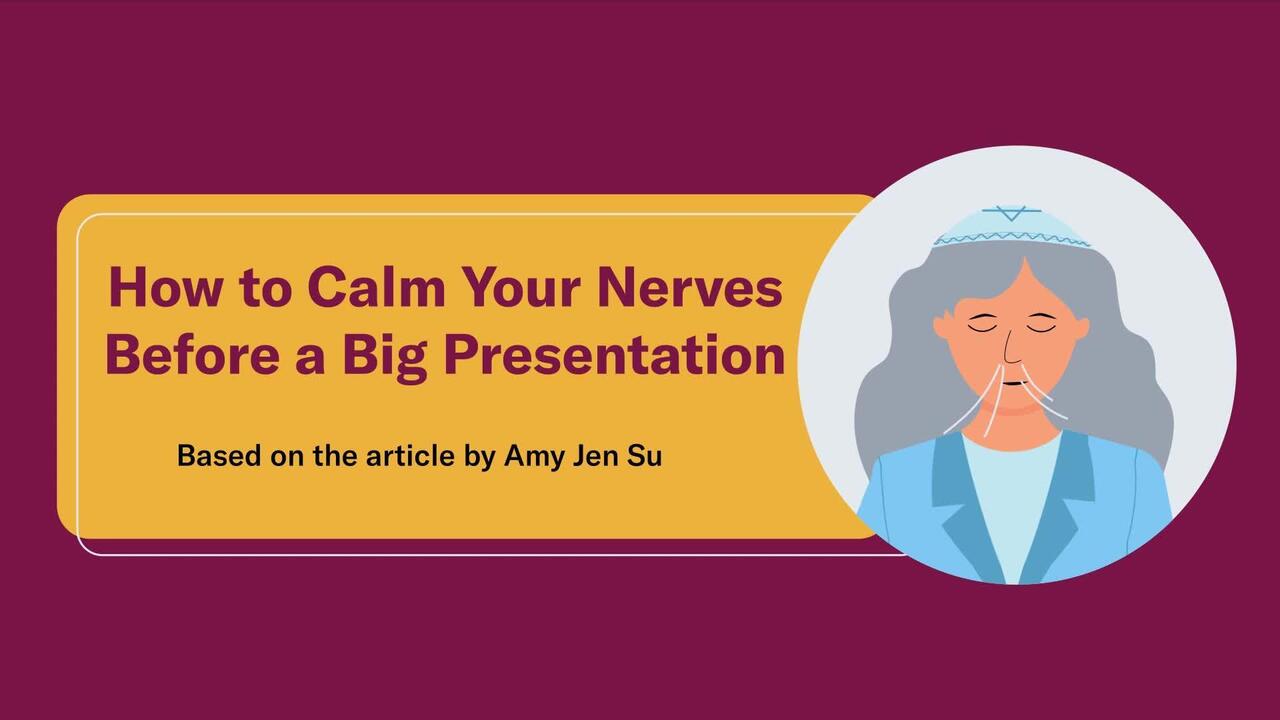
Seeking support is a crucial component of managing presentation anxiety. It’s not a sign of weakness, but rather a proactive step towards fostering a healthier and more confident approach to public speaking. Recognizing the need for support allows individuals to tap into external resources and perspectives, leading to a more balanced and effective strategy for overcoming their anxieties.Leveraging the strengths and insights of others can provide invaluable perspectives and strategies, leading to a more comprehensive understanding of the challenges and solutions related to presentation anxiety.
This external support system can help individuals gain a broader understanding of their anxiety, enabling them to develop tailored coping mechanisms.
Benefits of Seeking Support
Seeking support from others offers several key benefits. It provides a fresh perspective, helping individuals identify potential blind spots in their preparation or approach. Furthermore, the shared experience and understanding offered by support networks can foster a sense of community and reduce feelings of isolation. This can significantly reduce the overall impact of anxiety, leading to a more positive presentation experience.
Support Networks for Presentation Anxiety
A wide range of support networks can assist individuals with presentation anxiety. These include:
- Mentors and experienced speakers: Mentors or experienced public speakers can provide valuable guidance, insights, and support based on their own experiences. They can offer practical advice on overcoming specific anxieties, such as stage fright or fear of criticism.
- Friends and family: Close friends and family members can provide a supportive and encouraging environment. Their presence can alleviate feelings of isolation and offer reassurance during the preparation and delivery stages.
- Colleagues and peers: Sharing experiences with colleagues and peers can be a valuable source of support and understanding. Discussions and feedback can offer a safe space for individuals to explore their concerns and develop strategies for managing their anxiety.
- Support groups: Support groups specifically designed for individuals experiencing presentation anxiety offer a unique opportunity to connect with others facing similar challenges. The shared experience can foster a sense of community and provide strategies for managing anxiety symptoms.
- Therapists and counselors: Professional therapists and counselors are trained to address anxiety and provide tailored strategies for coping with presentation anxiety. They can help individuals identify the root causes of their anxiety and develop long-term strategies for managing it effectively.
Strategies for Asking for Help and Guidance
Clearly communicating needs and expectations is crucial when seeking support. Asking for help and guidance should be approached with confidence and clarity. Individuals should:
- Clearly articulate their concerns and needs: When seeking support, it is essential to articulate the specific anxieties or challenges related to presentations. This clarity helps others understand the nature of the support required.
- Request specific types of assistance: Instead of a general request for help, be specific about what kind of support is needed. For example, “I’d appreciate feedback on my presentation structure” or “I’m feeling anxious about the Q&A session; could you offer some tips?”.
- Actively listen to feedback: Actively listen to the advice and suggestions offered by others. Feedback is a valuable tool for improvement, and it’s essential to consider the perspectives offered.
Utilizing Feedback Constructively
Constructive feedback plays a crucial role in refining presentations and managing anxieties. To effectively utilize feedback, individuals should:
- Separate the feedback from the person delivering it: Focus on the content and suggestions, rather than getting defensive about the delivery method or the person providing the feedback.
- Identify areas for improvement: Carefully analyze the feedback received and identify specific areas where improvements can be made.
- Integrate suggestions into future presentations: Actively incorporate the suggestions and feedback into subsequent presentations to enhance performance and reduce anxiety.
Last Word
In conclusion, conquering presentation nerves is a journey of self-discovery and skill development. By understanding the sources of your anxiety, practicing effective coping mechanisms, and focusing on preparation, you can transform pre-presentation jitters into controlled enthusiasm. Remember that every presentation is an opportunity for growth and improvement. By applying the techniques Artikeld in this guide, you’ll be well-equipped to handle future presentations with confidence and achieve your communication goals.