Navigating conflicts effectively is a crucial skill in personal and professional life. This guide provides a comprehensive framework for understanding and managing conflicts, emphasizing clear communication and respectful interactions. From recognizing different conflict styles to mastering assertive communication techniques, we’ll explore strategies for building bridges and resolving disagreements constructively.
This exploration covers various aspects of conflict resolution, from personal relationships to professional settings and community dialogues. We’ll delve into the nuances of active listening, empathy, and boundary setting, providing practical examples and tools to facilitate effective communication in diverse situations. The guide also addresses complex conflicts, including those involving difficult personalities and power imbalances, offering a range of strategies for managing and resolving them.
Understanding Conflict Dynamics
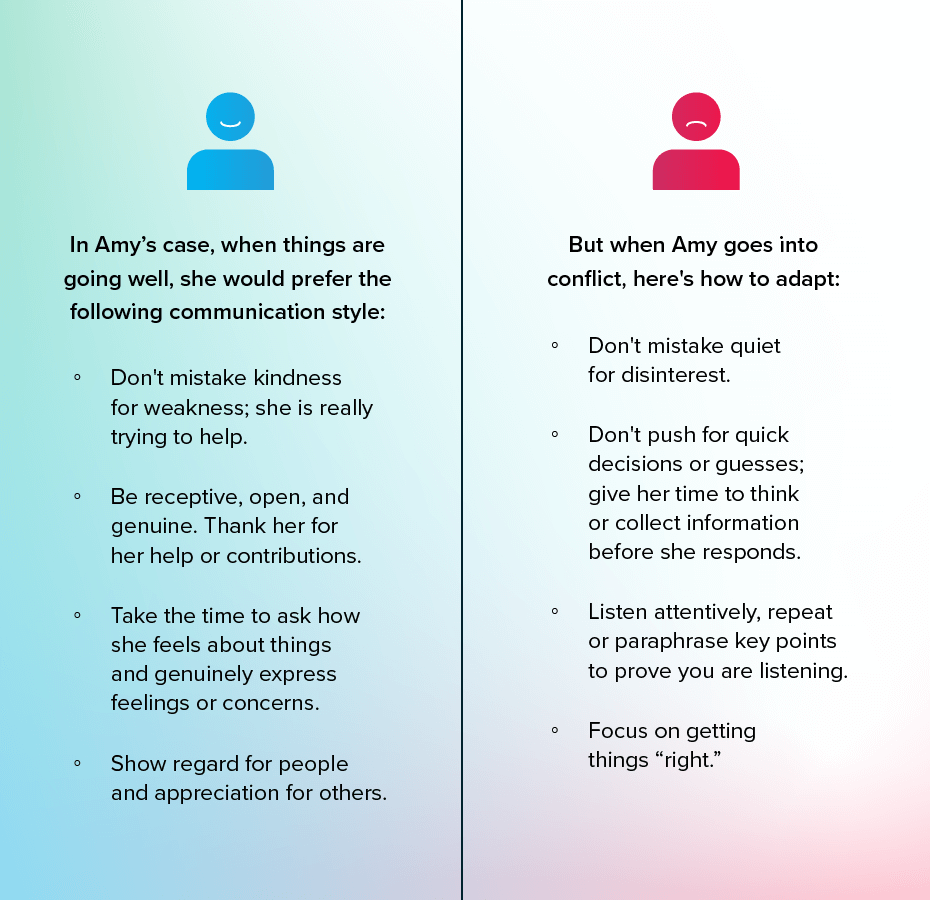
Effective communication in conflict resolution hinges on a deep understanding of conflict dynamics. This involves recognizing the various conflict styles individuals employ, the role emotions play in escalating or de-escalating situations, and how communication breakdowns contribute to the problem. A nuanced understanding of these factors empowers individuals to approach conflicts more constructively and effectively.
Conflict Styles
Different individuals react to conflict in diverse ways. Understanding these varied approaches, often referred to as conflict styles, is crucial for navigating disagreements productively. These styles range from direct confrontation to avoidance and encompass a spectrum of responses.
| Conflict Style | Description | Strengths | Weaknesses | Examples |
|---|---|---|---|---|
| Avoiding | This style involves withdrawing from or postponing conflict. Individuals using this style may avoid direct communication or discussion. | Can be useful in situations where the issue is minor or temporary, or where emotions are high and further discussion is unproductive. | Can lead to unresolved issues, resentment, and potential escalation later. May be perceived as uncooperative. | Ignoring a disagreement, postponing a discussion, physically removing oneself from a situation. |
| Accommodating | This style prioritizes the needs of others, often at the expense of one’s own. Individuals employing this style may concede to the other party’s wishes. | Preserves relationships, avoids confrontation, and can build goodwill. | Can lead to feelings of being taken advantage of, frustration, and resentment. May not address underlying concerns. | Giving in to a friend’s request, yielding in a disagreement. |
| Competing | This style emphasizes one’s own needs and desires, often at the expense of others. Individuals using this style may be assertive and demanding. | Can be effective in situations requiring swift action or where a clear decision is needed. | Can damage relationships, create resentment, and lead to future conflict. | Arguing a point strongly, insisting on one’s position. |
| Compromising | This style involves finding a middle ground between opposing viewpoints. Individuals using this style seek mutually acceptable solutions. | Produces quick solutions and maintains relationships. | May not fully address the needs of all parties, potentially leading to temporary resolutions. | Negotiating a trade-off, splitting the difference. |
| Collaborating | This style focuses on finding solutions that meet the needs of all parties involved. Individuals using this style actively work together to achieve a mutually beneficial outcome. | Addresses underlying concerns, creates stronger relationships, and fosters creativity. | Can be time-consuming and require significant effort from all parties. | Working together to find a solution, brainstorming for mutual benefits. |
Emotions in Conflict
Emotions play a significant role in conflict dynamics. They can escalate conflicts, making it more difficult to communicate effectively. Conversely, understanding and managing emotions can de-escalate conflict and facilitate resolution. For example, recognizing and addressing feelings of anger, frustration, or fear can prevent a situation from escalating.
Active Listening
Active listening is a critical skill in conflict resolution. It involves focusing on what the other person is saying, both verbally and nonverbally. This includes paraphrasing what the other person has said to ensure understanding and asking clarifying questions. Active listening fosters empathy and demonstrates respect for the other party’s perspective. By focusing on the message and not just the response, active listening facilitates productive dialogue.
Communication Breakdowns
Communication breakdowns often contribute to conflict. These breakdowns can arise from various factors, including a lack of clarity, ineffective communication styles, and a failure to consider the other party’s perspective. Misinterpretations, assumptions, and a lack of empathy can also exacerbate communication problems, creating a cycle of conflict.
Active and Effective Communication Strategies
Effective communication is crucial for navigating conflicts constructively. Understanding how to express needs and concerns respectfully, and employing assertive communication techniques, can significantly improve the outcome of disagreements. This section details strategies for achieving positive resolutions through clear and empathetic dialogue.Clear and respectful communication is the cornerstone of conflict resolution. By employing active listening and assertive techniques, individuals can express their needs and concerns while maintaining a respectful environment.
This approach fosters understanding and allows for collaborative problem-solving.
Expressing Needs and Concerns
Expressing needs and concerns clearly and respectfully is paramount in any conflict. This involves articulating your feelings and perspectives in a way that is both understandable and considerate of the other party’s viewpoint. This approach promotes mutual understanding and fosters a collaborative environment.
- Be specific about your needs. Avoid vague language. Instead of saying “I’m unhappy,” try “I’m unhappy because the project deadline was moved without prior notice, which impacts my ability to complete the tasks efficiently.”
- Focus on the behavior, not the person. Avoid making personal attacks or judgments. For example, instead of “You’re always late,” say “I’m concerned when deadlines are missed, as it disrupts the project timeline.”
- Use “I” statements to express your feelings and perspectives without placing blame. See the next section for more details on this.
Assertive Communication Techniques
Assertive communication is a style that balances expressing one’s needs with respecting the needs of others. It involves clearly stating your views while acknowledging and validating the other person’s perspective.
- Active listening: Pay close attention to what the other person is saying, both verbally and nonverbally. Reflect their feelings back to them to show that you understand their point of view. This is an essential component of assertive communication.
- Maintain eye contact and use open body language to convey confidence and engagement. Appropriate body language is crucial for effective communication.
- Speak calmly and clearly, expressing your thoughts and feelings directly. Avoid raising your voice or becoming aggressive. Maintaining a calm tone facilitates clear communication.
Using “I” Statements
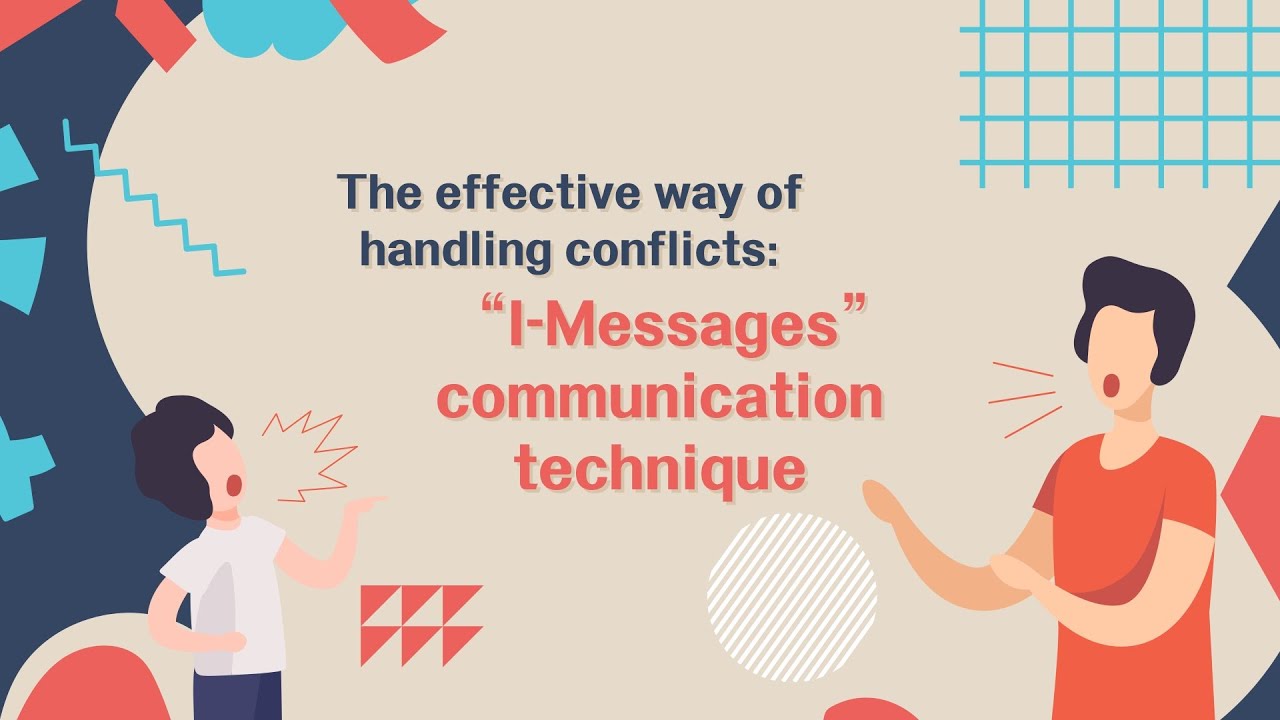
“I” statements are a powerful tool for expressing needs and concerns without placing blame. They focus on your own feelings and experiences, allowing for constructive dialogue.
“I feel frustrated when deadlines are missed because it disrupts my workflow.”
This approach is crucial in conflict resolution because it avoids accusatory language and fosters a more receptive environment for understanding.
- Example: Instead of “You’re always interrupting me,” try “I feel interrupted when I’m trying to explain my point.” This focuses on the speaker’s feelings and the impact of the behavior.
- Structure: “I feel [emotion] when [behavior] because [impact].” This structure helps articulate feelings and the impact of the situation clearly.
Phrases to Avoid During Conflict
Certain phrases can escalate conflict or create defensiveness. Avoiding these phrases promotes a more constructive dialogue.
- “You always…” or “You never…”
- “That’s ridiculous.”
- “You’re wrong.”
- “It’s your fault.”
- “I told you so.”
Communication Styles Comparison
Understanding different communication styles is essential for navigating conflicts effectively. This table illustrates the differences between passive, aggressive, and assertive communication styles.
| Communication Style | Description | Example |
|---|---|---|
| Passive | Avoids expressing needs and concerns, often yielding to others’ demands. | “It’s fine if you want to do it that way.” (even if the speaker strongly disagrees) |
| Aggressive | Expresses needs and concerns in a hostile or demanding manner, often placing blame. | “You’re completely incompetent; you should never have taken on this project.” |
| Assertive | Expresses needs and concerns respectfully and directly, while acknowledging the other person’s perspective. | “I’m concerned about the project timeline. Could we discuss how to adjust our approach to meet the deadline?” |
Building Bridges and Maintaining Respect
Effective conflict resolution hinges not only on understanding communication styles but also on fostering a climate of respect and understanding. This crucial aspect involves empathy, active listening, and a commitment to finding common ground, even when differing opinions exist. By prioritizing these elements, parties can transform disagreements into opportunities for growth and stronger relationships.Building bridges in conflict necessitates a conscious effort to move beyond immediate differences and focus on shared goals and values.
This involves recognizing that conflict is a natural part of human interaction and can be a catalyst for positive change.
Empathy and Perspective-Taking
Empathy is the cornerstone of effective conflict resolution. It involves the ability to understand and share the feelings of another person, even if those feelings differ from one’s own. Perspective-taking goes further, requiring an effort to see the situation from the other person’s point of view, acknowledging their experiences and motivations. This process fosters a deeper understanding of the conflict and promotes a more compassionate approach to resolving it.
Acknowledging and Validating Feelings
Acknowledging and validating others’ feelings, even when disagreeing, is essential for maintaining respect and fostering a productive dialogue. This involves actively listening to and recognizing the emotional impact of the conflict on the other party. It does not mean agreeing with their perspective, but rather validating their experience. For example, instead of dismissing a colleague’s frustration with a project as “overreacting,” one could acknowledge their feelings by saying, “I understand your frustration with the project timeline.
This is a significant challenge for us all.”
Managing Your Own Emotions
Managing one’s own emotions during conflict is paramount. Uncontrolled emotions can escalate the situation and hinder constructive dialogue. Techniques such as deep breathing exercises, mindfulness, and recognizing personal triggers can help regulate emotional responses. Taking a break when necessary can allow emotions to cool down before continuing the conversation. By focusing on managing personal reactions, one can contribute to a more calm and productive resolution.
Reframing Disagreements as Opportunities for Growth
Disagreements, when approached constructively, can be opportunities for growth and learning. Instead of viewing disagreements as personal attacks, they can be seen as chances to identify areas of misunderstanding and develop more effective communication strategies. This shift in perspective fosters a growth mindset, encouraging open dialogue and mutual understanding.
Building Trust and Rapport
Building trust and rapport is crucial for navigating conflict effectively. Trust is established through consistent respectful communication and actions that demonstrate reliability and integrity. Active listening, empathy, and a willingness to compromise are essential components in building trust. Consistent, transparent communication builds rapport and strengthens relationships. Building rapport can be facilitated by finding common ground and shared interests, and by acknowledging individual strengths and contributions to the process.
Setting Boundaries and Maintaining Healthy Interactions
Establishing clear and healthy boundaries is crucial for navigating interpersonal conflicts effectively. It empowers individuals to protect their well-being and fosters respectful communication, even amidst disagreements. Understanding different types of boundaries and how to articulate them assertively can significantly improve interactions and prevent escalation. This section will explore various aspects of boundary setting, emphasizing the importance of respect and healthy communication dynamics.
Types of Interpersonal Boundaries
Effective communication relies on recognizing and respecting diverse interpersonal boundaries. These boundaries encompass various aspects of interaction, including physical, emotional, and time-related limitations. Defining these boundaries clarifies expectations and promotes mutual respect.
- Physical Boundaries: These boundaries concern physical space and touch. Respecting personal space and comfort levels regarding physical contact are essential. For example, not invading someone’s personal bubble or accepting unsolicited physical affection when uncomfortable.
- Emotional Boundaries: These boundaries pertain to emotional vulnerability and support. It involves defining limits on how much emotional burden one is willing to take on from others. Examples include declining to be a constant emotional support system for someone or setting limits on sharing personal information with certain individuals.
- Time Boundaries: These boundaries relate to the allocation of time and energy. It includes setting limits on commitments and acknowledging personal needs for rest and relaxation. For instance, saying no to requests that encroach on personal time or prioritizing personal commitments alongside obligations.
- Communication Boundaries: These encompass expectations regarding communication style, frequency, and tone. They include defining acceptable communication methods (e.g., avoiding text messaging for important discussions) or setting limits on the frequency of contact.
Setting Healthy Boundaries in Conflict
Setting healthy boundaries in conflict situations is about protecting your emotional well-being while remaining respectful of the other party’s perspective. It involves clearly communicating your limits and expectations.
- Be Assertive, Not Aggressive: Express your needs and limits in a direct but respectful manner. Avoid accusatory language or personal attacks. For instance, instead of saying, “You always make me feel bad,” try, “I feel overwhelmed when we talk about this topic for so long.” This shift in language is crucial in maintaining a healthy dialogue.
- Clearly Define Your Boundaries: Articulate your boundaries concisely and unambiguously. Using “I” statements can help avoid misunderstandings. For example, “I need space to process this before we talk again” is clearer and less likely to be misinterpreted than “You’re making me angry.”
- Respect Others’ Boundaries: Recognize and respect the boundaries of others. Acknowledging and respecting others’ boundaries is equally important to maintaining a respectful dialogue.
Respectful Communication of Boundaries
Respectful communication of boundaries is key to productive conflict resolution. It involves choosing your words carefully and maintaining a calm and composed demeanor.
- Use “I” Statements: Focus on your feelings and needs rather than blaming the other person. For example, instead of saying, “You’re always interrupting me,” try “I feel frustrated when I’m interrupted.” This shift in perspective helps maintain a constructive dialogue.
- Be Clear and Concise: Clearly state your boundary without ambiguity. Avoid overly emotional language or lengthy explanations. For example, “I’m not comfortable discussing this further today,” is clear and to the point.
- Be Patient and Understanding: Understand that it might take time for the other person to adjust to your boundaries. Be prepared to have follow-up conversations if necessary.
Handling Conflict with People Who Do Not Respect Boundaries
Dealing with individuals who consistently disregard boundaries requires a measured approach. It’s crucial to prioritize your own well-being while addressing the problematic behavior.
- Document Instances of Boundary Violations: Keeping a record of boundary violations can help you identify patterns and understand the frequency of disrespectful behavior. This can be useful in assessing the situation and determining whether the person is consistently ignoring your boundaries.
- Communicate Your Boundaries Firmly and Consistently: Reinforce your boundaries by repeating your expectations when necessary. Avoid giving mixed signals.
- Seek Support: If the situation escalates or becomes overwhelming, consider seeking support from trusted friends, family members, or professionals.
Recognizing and Addressing Toxic Communication Patterns
Identifying and addressing toxic communication patterns is essential for maintaining healthy relationships. It involves recognizing the signs of toxic communication and taking steps to address them.
- Recognize Signs of Toxic Communication: Look for patterns of manipulation, aggression, and disrespect. Examples include personal attacks, gaslighting, and constant criticism.
- Set Boundaries Against Toxic Communication: Establish clear limits on the type of communication you will accept. For instance, “I will not tolerate personal attacks in our conversations.”
- Seek Professional Help: If the toxic communication is persistent or significantly impacting your well-being, consider seeking guidance from a therapist or counselor.
Conflict Resolution in Different Contexts

Effective conflict resolution transcends specific contexts, but the approach must adapt to the unique dynamics of personal relationships, professional settings, and community dialogues. Understanding the nuances of each environment is crucial for successful intervention and outcome. Different strategies and considerations are necessary for resolving conflicts within families, workplaces, and communities.Resolving conflicts requires a flexible and adaptable approach. Strategies that work well in one context may not be as effective in another.
A key aspect of successful conflict resolution is recognizing the specific context and tailoring the approach accordingly. This includes understanding the power dynamics, cultural norms, and potential biases that may influence the conflict.
Conflict Resolution in Personal Relationships
Personal relationships, such as those within families, involve unique emotional connections and histories. Successful conflict resolution in these contexts emphasizes empathy, active listening, and a commitment to understanding differing perspectives. Open communication channels and a willingness to compromise are vital. Strategies focus on repairing damaged trust and strengthening the relationship rather than solely resolving the immediate conflict.
Conflict Resolution in Professional Settings
Professional conflicts, often involving differing opinions on tasks, procedures, or performance, require a structured approach focused on problem-solving and maintaining productivity. Formal processes, such as mediation or arbitration, may be necessary in more serious disputes. Clear communication, adherence to established protocols, and a focus on objective solutions are key.
Conflict Resolution in Community Dialogues
Community conflicts, encompassing diverse perspectives and potentially sensitive issues, often benefit from facilitated discussions and consensus-building. These dialogues require a commitment to inclusivity, active listening, and respect for differing viewpoints. Strategies involve creating a safe space for open communication and finding common ground.
Strategies for Resolving Conflict in Diverse Situations
- Family Disputes: Emphasize empathy, active listening, and understanding the historical context of the conflict. Mediation techniques can facilitate dialogue and compromise. Example: A family member experiencing financial hardship can be guided toward finding sustainable solutions.
- Workplace Disagreements: Use clear communication, documented procedures, and neutral third-party mediation if necessary. Focus on objective criteria and solutions that benefit the team. Example: Disagreements about project timelines can be addressed by evaluating realistic deadlines and assigning responsibilities clearly.
- Community Disagreements: Facilitate open discussions, actively listen to all perspectives, and identify shared values and concerns. Community leaders can play a crucial role in mediating dialogue and finding solutions. Example: A dispute over a new development can be addressed through public forums and facilitated discussions that allow residents to express concerns and seek compromise.
Methods for Negotiating and Mediating Conflict
Negotiation involves direct communication and compromise between parties. Mediation employs a neutral third party to facilitate dialogue and help parties reach a mutually agreeable solution. These methods often require clear communication, active listening, and a willingness to find common ground.
Examples of Conflict Resolution Processes
- Collaborative Problem Solving: Parties work together to identify the problem, brainstorm solutions, and evaluate options. This method fosters cooperation and mutual understanding.
- Mediation: A neutral third party facilitates communication and guides the parties toward a mutually acceptable agreement. The mediator helps to identify underlying issues and encourages compromise.
- Arbitration: A neutral third party makes a binding decision about the dispute. This method is often used in formal settings to resolve conflicts quickly.
Applying Conflict Resolution Skills to Diverse Cultural Contexts
Cultural awareness is crucial in conflict resolution. Recognizing and respecting diverse cultural norms and communication styles is essential. Strategies should adapt to accommodate different approaches to conflict, such as collectivist versus individualistic cultures.
Advanced Strategies for Complex Conflicts
Navigating complex conflicts often requires specialized approaches beyond basic communication techniques. These advanced strategies address situations involving difficult personalities, high emotions, power imbalances, and recurring issues, emphasizing de-escalation and resolution. Effective application of these methods can significantly improve outcomes and foster more productive interactions.Understanding the dynamics of conflict is crucial. Conflict is a natural part of human interaction, and its resolution hinges on recognizing the root causes and employing appropriate strategies.
This section focuses on techniques that address challenging aspects of conflict, including those that are emotionally charged or involve individuals resistant to compromise.
Handling Conflict with Difficult Personalities
Individuals with certain personality traits may present unique challenges during conflict. Strategies for managing such situations involve recognizing patterns of behavior, employing active listening to understand their perspective, and focusing on the issue at hand rather than personal attacks. Establishing clear boundaries and expectations, while remaining respectful, can help de-escalate the situation and maintain a productive discussion.
Managing Conflict When Emotions Are High
High emotions can significantly hinder effective communication and resolution. Strategies for managing these situations involve acknowledging and validating the emotions of all parties involved. Emphasizing empathy and creating a safe space for expression can help to diffuse the situation. Using “I” statements to express feelings and needs, rather than accusatory “you” statements, can contribute to a more constructive dialogue.
Suggesting a temporary break to cool down and revisit the discussion when calmer can be beneficial.
Conflict Resolution Involving Power Imbalances
Power imbalances can significantly impact conflict resolution. Understanding these imbalances and developing strategies that ensure fairness and respect is crucial. Techniques such as seeking mediation from a neutral third party can provide a balanced platform for communication and decision-making. Acknowledging the power dynamics and actively working to create an environment of equality and mutual respect is essential for successful resolution.
Strategies for Addressing Recurring Conflicts
Recurring conflicts often point to underlying issues that need addressing. Identifying the root cause of the recurring conflict is essential. This might involve examining past communication patterns, shared values, or unresolved issues. Developing clear agreements and expectations, and implementing strategies for future conflict resolution, are crucial to prevent similar problems from arising again. Regular check-ins and communication are important for maintaining a positive and productive relationship.
Conflict Escalation and De-escalation Techniques
Conflict escalation involves a progressive increase in intensity and negativity. Recognizing the signs of escalation, such as raised voices, accusatory language, or personal attacks, is critical. De-escalation techniques focus on calming the situation and redirecting the discussion towards a more constructive path. This may involve active listening, using calming language, and offering a temporary pause to regain composure.
Involving a neutral third party, if appropriate, can facilitate de-escalation.
Tools and Resources for Conflict Management
Effective conflict resolution often requires access to appropriate resources and tools. This section explores various avenues for support, from formal mediation services to readily available self-help resources. Understanding the diverse options available empowers individuals and groups to navigate conflicts more effectively.
Mediation Services and Support Groups
Mediation services provide a structured environment for parties in conflict to communicate and find mutually agreeable solutions. Certified mediators facilitate discussions, helping disputants understand each other’s perspectives and work towards a resolution. Support groups offer a valuable platform for individuals experiencing conflict to share experiences, receive encouragement, and learn from others’ approaches. These groups often focus on specific types of conflict, such as family disputes or workplace disagreements.
The support and shared experiences within these groups can significantly enhance the process of conflict resolution.
Conflict Coaching
Conflict coaching is a personalized approach that helps individuals develop the skills and strategies needed to manage conflict effectively. A conflict coach provides tailored guidance and support, empowering individuals to handle challenging situations with confidence and resilience. This approach is particularly beneficial for individuals facing recurring conflicts or seeking to enhance their communication skills.
Books, Articles, and Websites
Numerous resources offer valuable insights into effective communication and conflict resolution. These resources can provide practical strategies, frameworks, and real-world examples to help individuals navigate challenging situations.
- Books like “Difficult Conversations” by Douglas Stone, Bruce Patton, and Sheila Heen offer frameworks for navigating challenging interactions and finding common ground.
- Articles from reputable journals, such as the Harvard Business Review, frequently feature insightful articles on conflict management and negotiation techniques.
- Websites such as the website of the Conflict Resolution Network offer a wealth of information, resources, and articles on conflict resolution.
Visual Aids for Conflict Resolution
Visual aids can effectively illustrate complex conflict resolution concepts. Using diagrams, charts, or flowcharts can help individuals visualize the stages of conflict, identify potential solutions, and understand the dynamics at play. For instance, a flowchart outlining the steps in a mediation process can clearly demonstrate the procedural aspects of conflict resolution. A Venn diagram illustrating the shared interests of conflicting parties can help identify areas of potential agreement.
Conflict Resolution Techniques and Applications
A table outlining different conflict resolution techniques and their corresponding applications can provide a comprehensive overview of available options.
| Conflict Resolution Technique | Description | Applications |
|---|---|---|
| Active Listening | Paying close attention to the other person’s message, both verbally and nonverbally, and responding in a way that shows understanding. | Workplace disagreements, family disputes, interpersonal conflicts. |
| Compromise | Finding a solution that involves some give-and-take from all parties. | Negotiations, collaborative problem-solving, disputes with limited resources. |
| Collaboration | Working together to find a solution that meets the needs of all parties involved. | Complex problems requiring multiple perspectives, team projects, strategic partnerships. |
Technology in Conflict Management
Technology plays an increasingly important role in communication, including during conflict. Using email, instant messaging, or video conferencing tools requires a particular set of skills. Emails should be clear, concise, and avoid emotional language. Instant messaging can be effective for quick communication but should be used cautiously, as misunderstandings can easily arise. Video conferencing can foster a sense of presence, but it is important to maintain professional decorum.
Ending Remarks
In conclusion, effective communication during conflicts is a multifaceted process. By understanding conflict dynamics, mastering communication strategies, building bridges, setting boundaries, and employing advanced techniques, individuals and groups can transform disagreements into opportunities for growth and stronger relationships. This guide equips readers with the tools and knowledge necessary to navigate conflict constructively, promoting understanding and cooperation in various contexts.