Effective communication is a cornerstone of success in all aspects of life, from personal relationships to professional endeavors. This guide provides a comprehensive framework for daily improvement, equipping you with the tools and strategies to navigate interactions with confidence and clarity. Mastering communication skills is not just about speaking; it encompasses active listening, understanding nonverbal cues, and adapting your approach to various contexts.
This guide delves into the fundamentals of effective communication, exploring various communication styles, active listening techniques, verbal and nonverbal communication mastery, and strategies for specific contexts like professional settings and personal relationships. It also addresses common communication barriers and provides actionable steps for daily practice, ensuring lasting improvement.
Understanding Effective Communication
Effective communication is the cornerstone of successful interactions, whether personal or professional. It’s a multifaceted process that involves more than just exchanging words; it encompasses clarity, empathy, and active listening. Understanding the principles of effective communication allows individuals to build stronger relationships, resolve conflicts more effectively, and achieve their goals with greater ease.The core principles of effective communication revolve around clear articulation of ideas, active listening to comprehend different perspectives, and demonstrating empathy to foster understanding.
By focusing on these principles, individuals can cultivate more meaningful and productive interactions.
Core Principles of Effective Communication
Effective communication is built upon several key principles. These principles are not isolated concepts but rather interconnected elements that contribute to a holistic communication process. Clarity in expressing thoughts and feelings is essential, enabling the recipient to easily understand the message. Active listening, encompassing both verbal and non-verbal cues, is equally vital, ensuring the message is heard and understood accurately.
Empathy, the ability to understand and share the feelings of another, promotes a more compassionate and supportive communication environment.
Communication Styles
Different communication styles exist, each with its own strengths and weaknesses. Understanding these styles is crucial for navigating diverse interactions and adapting communication strategies accordingly. These styles, while distinct, can also overlap in various situations, making flexibility a vital component of successful communication.
- Assertive Communication: This style involves expressing thoughts and feelings directly and respectfully, while also considering the perspectives of others. It emphasizes clear boundaries and self-respect, promoting healthy and balanced interactions. Assertive communication promotes mutual understanding and respect.
- Passive Communication: Individuals using this style often avoid expressing their needs and opinions, prioritizing the needs of others over their own. While this can sometimes appear considerate, it often leads to resentment and frustration, potentially hindering personal growth and causing damage to relationships.
- Aggressive Communication: This style involves expressing thoughts and feelings in a forceful and demanding manner, often disregarding the feelings and perspectives of others. It can result in conflicts, damage relationships, and create a hostile environment.
Impact of Communication Styles on Interactions
The communication style employed significantly impacts the outcome of interactions. Assertive communication fosters healthy dialogue, while passive communication can lead to feelings of resentment and frustration. Aggressive communication, conversely, creates a hostile environment and often escalates conflicts. Understanding these dynamics allows individuals to proactively adjust their approach for more constructive and positive interactions.
| Communication Style | Strengths | Weaknesses |
|---|---|---|
| Assertive | Clear expression of needs, mutual respect, healthy boundaries | Can sometimes be perceived as confrontational if not delivered thoughtfully |
| Passive | Can appear considerate and avoid conflict initially | Can lead to resentment, unmet needs, and strained relationships |
| Aggressive | Can appear decisive or confident | Often damages relationships, creates hostility, and escalates conflict |
Assessing Your Communication Style
A framework for assessing your communication style can help identify areas for improvement. This involves self-reflection on past interactions, identifying patterns in how you communicate, and considering how others perceive your communication style. Observing one’s communication patterns, both verbally and non-verbally, provides valuable insights for self-improvement.
- Self-reflection: Consider past interactions. Identify situations where you felt your communication was effective or ineffective. Analyze your communication patterns in various contexts.
- Feedback from others: Seek feedback from trusted colleagues, friends, or family members. Their insights can offer valuable perspectives on how your communication style is perceived by others.
- Identify patterns: Do you tend to be more assertive, passive, or aggressive? Understanding these patterns will help you identify potential areas for growth.
Active Listening Techniques

Active listening is a crucial component of effective communication, enabling deeper understanding and stronger relationships. It goes beyond simply hearing words; it involves actively processing and responding to the message being conveyed. This approach fosters trust and allows for more productive interactions.Active listening is not a passive activity. It requires conscious effort to focus on the speaker, understand their perspective, and respond thoughtfully.
This process can be enhanced through various strategies, such as paraphrasing, summarizing, and demonstrating empathy. By engaging in active listening, misunderstandings can be minimized, and more meaningful connections can be forged.
Paraphrasing and Summarizing
Paraphrasing and summarizing are essential active listening tools. Paraphrasing involves restating the speaker’s message in your own words to ensure you understand it correctly. Summarizing involves condensing the speaker’s main points into a concise statement. These techniques demonstrate attentiveness and comprehension.
- Paraphrasing involves reflecting the speaker’s message in your own words. This demonstrates comprehension and encourages the speaker to clarify any ambiguities.
- Summarizing condenses the speaker’s key points into a concise statement. This reinforces understanding and allows for efficient review of the discussion.
Demonstrating Empathy and Understanding
Empathy and understanding are vital components of active listening. Demonstrating empathy involves recognizing and acknowledging the speaker’s feelings and perspectives. This fosters a sense of connection and validates the speaker’s experience. Understanding goes beyond recognizing emotions; it entails attempting to grasp the speaker’s motivations and background.
- Active listening involves acknowledging the speaker’s feelings and perspectives. Using phrases like “I understand why you feel that way” or “That sounds frustrating” can convey empathy.
- Understanding the speaker’s motivations and background helps create a more supportive and meaningful dialogue. Consider the speaker’s past experiences and present circumstances.
Importance of Nonverbal Cues
Nonverbal cues, such as body language, tone of voice, and facial expressions, significantly impact communication. These cues often convey more information than spoken words. Recognizing and interpreting nonverbal cues enhances comprehension and allows for a more complete understanding of the message.
- Nonverbal cues, including body language (posture, gestures), tone of voice, and facial expressions, often convey more information than spoken words. A furrowed brow might indicate confusion, while a relaxed posture might signal agreement.
- Paying attention to nonverbal cues helps to gauge the speaker’s emotional state and understand the true meaning behind the words.
Step-by-Step Guide for Improving Active Listening Skills
Active listening skills can be developed through consistent practice. This step-by-step guide Artikels a practical approach:
- Focus intently on the speaker, minimizing distractions. Put away your phone, turn off notifications, and maintain eye contact.
- Listen for both verbal and nonverbal cues. Pay attention to tone of voice, body language, and facial expressions.
- Paraphrase or summarize the speaker’s message to confirm your understanding.
- Ask clarifying questions to gain a deeper understanding.
- Acknowledge the speaker’s feelings and perspective. Demonstrate empathy and understanding.
- Respond thoughtfully and appropriately. Avoid interrupting or dominating the conversation.
Conflict Resolution through Active Listening
Active listening can be a powerful tool for resolving conflicts. By understanding different perspectives and acknowledging emotions, parties can find common ground and work towards mutually acceptable solutions.
- Active listening facilitates conflict resolution by enabling parties to understand each other’s perspectives. By acknowledging emotions, active listening creates a safe space for open dialogue.
- Through active listening, parties can identify underlying issues, explore solutions, and reach mutually beneficial outcomes. This leads to greater satisfaction and fosters long-term relationships.
Verbal Communication Enhancement

Effective verbal communication is crucial for success in various aspects of life, from personal relationships to professional interactions. Clear and concise language, coupled with the ability to articulate thoughts and ideas effectively, fosters understanding and strengthens connections. This section explores strategies for enhancing verbal communication, addressing common barriers, and providing practical tips for diverse contexts.
Importance of Clear and Concise Language
Clear and concise language is fundamental to effective communication. It ensures the message is understood precisely, minimizing ambiguity and potential misinterpretations. Using precise vocabulary, avoiding jargon when possible, and structuring thoughts logically contributes significantly to clarity. This approach ensures the recipient grasps the intended meaning without needing clarification. The avoidance of overly complex sentence structures further enhances clarity.
Articulating Thoughts and Ideas Effectively
Articulating thoughts and ideas effectively involves several key elements. First, a structured approach to expressing thoughts, outlining key points before speaking, helps organize ideas and ensures a coherent flow. Second, active listening is vital for understanding the audience’s perspective and tailoring the message accordingly. Finally, using vivid language, relevant examples, and strong supporting evidence can make the communication more impactful.
Strategies for Overcoming Communication Barriers
Communication barriers can stem from various factors, including differing cultural backgrounds, language proficiency, or personal biases. Overcoming these barriers requires empathy, patience, and a proactive approach to understanding diverse perspectives. Using clear and simple language, avoiding assumptions, and actively seeking clarification when needed can help bridge the gap between communicators. Acknowledging and addressing potential biases is also vital for creating a supportive and inclusive communication environment.
Improving Verbal Communication in Different Contexts
Verbal communication effectiveness varies depending on the context. In meetings, maintaining focus on the agenda and actively contributing to discussions, while respecting others’ viewpoints, are crucial. During presentations, a confident and engaging delivery, using visual aids strategically, and tailoring the language to the audience are essential. In personal interactions, active listening, empathy, and a genuine interest in the other person’s perspective foster stronger connections.
Table of Common Verbal Communication Mistakes and How to Avoid Them
| Mistake | Explanation | How to Avoid |
|---|---|---|
| Using jargon or technical terms without explanation | Listeners may not understand the specific meaning of unfamiliar words or phrases. | Define terms, use simpler alternatives, or provide context. |
| Speaking too quickly or too softly | Listeners may struggle to hear or process the message effectively. | Maintain a moderate pace, speak clearly, and adjust volume to ensure audibility. |
| Interrupting others | This disrupts the flow of communication and can make others feel unheard. | Allow others to finish their thoughts before responding, and actively listen before speaking. |
| Failing to make eye contact | This can appear disengaged or disrespectful, diminishing the impact of the message. | Maintain appropriate eye contact to convey engagement and attentiveness. |
| Being overly aggressive or passive | These communication styles can create conflict or hinder understanding. | Practice assertiveness, clearly expressing needs and opinions while respecting others’ viewpoints. |
Nonverbal Communication Mastery
Mastering nonverbal communication is crucial for effective communication. It encompasses a wide range of cues that significantly impact how messages are received and interpreted. Understanding these subtle signals allows for a deeper understanding of the message being conveyed, both by the sender and receiver. This section explores the importance of body language, facial expressions, tone of voice, and how to use these cues to enhance your communication skills.Nonverbal cues often communicate more than words alone.
They can reinforce or contradict verbal messages, impacting the overall effectiveness of the communication. By understanding and correctly interpreting these signals, we can foster stronger relationships, resolve conflicts more effectively, and build more meaningful connections. Paying attention to these cues is essential for effective interpersonal communication.
Significance of Body Language and Facial Expressions
Body language and facial expressions are powerful nonverbal tools that communicate emotions, attitudes, and intentions. They often reveal unspoken feelings and thoughts, providing insights beyond the spoken word. Observing these cues can provide a more complete picture of the situation and the individuals involved. This is essential for effective communication, especially in situations requiring empathy and understanding.
Examples of Nonverbal Cues and Their Potential Meanings
Understanding various nonverbal cues is vital for effective communication. A comprehensive understanding allows for more accurate interpretation of the message being conveyed.
- Open Posture: Standing or sitting with open arms and legs often signifies openness, approachability, and confidence. Conversely, closed postures (arms crossed, legs tightly closed) might suggest defensiveness, disinterest, or discomfort.
- Eye Contact: Appropriate eye contact can convey interest, engagement, and honesty. Avoiding eye contact, on the other hand, might suggest shyness, dishonesty, or disinterest. Cultural norms also influence the interpretation of eye contact, making cultural sensitivity critical.
- Facial Expressions: A smile can convey happiness, friendliness, and approachability, while a frown might indicate displeasure or disapproval. Microexpressions (brief, involuntary facial expressions) can reveal hidden emotions, providing valuable insights into a person’s true feelings.
- Gestures: Gestures such as pointing, waving, or using hand movements to emphasize a point can enhance understanding and clarity. However, gestures can also be misinterpreted, requiring sensitivity and context. For example, a gesture that is acceptable in one culture might be considered rude in another.
- Proxemics (Space): The distance between individuals during a conversation can communicate different levels of comfort and familiarity. Close proximity might suggest intimacy or closeness, while a greater distance could indicate formality or discomfort.
Impact of Tone of Voice on Communication
Tone of voice significantly influences how a message is perceived. A friendly tone can foster trust and rapport, while a harsh tone can create defensiveness and conflict. The tone of voice, along with the words used, contributes to the overall message.
Reinforcing Verbal Messages with Nonverbal Cues
Nonverbal cues can be used to reinforce verbal messages and enhance understanding. For example, nodding your head while someone is speaking can indicate agreement and engagement. Maintaining eye contact during a conversation can show interest and attentiveness. A warm smile can create a welcoming atmosphere and reinforce positive communication.
Interpreting Nonverbal Cues from Others Accurately
Interpreting nonverbal cues requires careful consideration of context, cultural norms, and individual characteristics. It is crucial to avoid jumping to conclusions and to look for multiple cues to form a more comprehensive understanding. For example, a slumped posture could signify fatigue, sadness, or discouragement. However, it could also simply be a matter of physical comfort. Observing other cues, such as facial expressions, tone of voice, and body language, can help form a more accurate interpretation.
Cultural background and personal experiences can significantly influence nonverbal cues, requiring sensitivity and adaptability in interpreting them.
Improving Communication in Specific Contexts

Effective communication transcends the fundamental principles and extends to tailored strategies for diverse contexts. Understanding the nuances of different settings, be it professional environments, personal relationships, or online interactions, allows for more impactful and meaningful exchanges. This section delves into practical approaches for optimizing communication in various situations.This section explores strategies for enhancing communication within professional, personal, and online spheres.
By adapting communication styles to specific contexts, individuals can foster stronger relationships, achieve better outcomes, and build more meaningful connections.
Improving Communication in Professional Settings
Professional communication requires clarity, conciseness, and respect. Maintaining a professional demeanor, even in challenging situations, is crucial for building rapport and credibility. Understanding the different communication styles of colleagues, clients, and superiors is key to effective interaction. A flexible and adaptable approach will allow for a better understanding of various communication styles.
Communicating Effectively with Colleagues
Effective communication with colleagues fosters a collaborative and productive work environment. Active listening, clear articulation of ideas, and constructive feedback are vital components of successful colleague interactions. Open and honest dialogue, combined with mutual respect, are essential for a positive and productive work atmosphere. Consider utilizing team meetings and collaborative tools for enhancing communication.
- Active Listening: Pay close attention to verbal and nonverbal cues, demonstrating empathy and understanding. Paraphrasing and summarizing key points reinforces comprehension and encourages further discussion.
- Clear Articulation: Use precise language and avoid ambiguity. Present ideas logically and systematically, ensuring your message is easily understood.
- Constructive Feedback: Provide feedback that is specific, actionable, and focused on improvement. Frame feedback in a positive and supportive manner.
- Collaborative Tools: Utilize project management software, instant messaging platforms, and shared documents to facilitate communication and streamline workflows.
Communicating with Clients
Effective client communication is paramount for building trust and maintaining long-term relationships. Understanding client needs and expectations, tailoring communication to their specific preferences, and maintaining a consistent brand voice are essential for success. Emphasize responsiveness, proactive communication, and addressing concerns promptly.
- Understanding Client Needs: Conduct thorough research to grasp client requirements and expectations. Ask clarifying questions to ensure a mutual understanding of the project goals.
- Tailoring Communication: Adapt your communication style to resonate with each client’s personality and communication preferences. Be mindful of cultural differences.
- Maintaining Consistency: Use consistent brand voice and messaging across all communication channels to create a strong and memorable brand image.
- Proactive Communication: Provide regular updates and proactively address potential issues before they escalate.
Communicating with Superiors
Communication with superiors should be respectful, professional, and focused on achieving shared goals. Clearly outlining expectations, providing regular updates, and demonstrating initiative are key to building a positive rapport. Be prepared to explain your work process, rationale, and progress.
- Respectful Communication: Maintain a professional and respectful tone in all interactions with superiors.
- Clear Expectations: Ensure you fully understand your superiors’ expectations and communicate your understanding clearly.
- Regular Updates: Provide consistent updates on your progress and any potential challenges.
- Initiative: Demonstrate initiative by proactively seeking opportunities to contribute and exceed expectations.
Communicating with Diverse Audiences
Effective communication with diverse audiences requires sensitivity and cultural awareness. Tailoring communication styles to accommodate different backgrounds and perspectives ensures inclusivity and fosters stronger relationships. Consider using inclusive language and adapting communication strategies to ensure inclusivity.
- Cultural Sensitivity: Research and understand the cultural nuances of your audience. Be mindful of potential communication barriers and adjust your approach accordingly.
- Inclusive Language: Use inclusive language that respects and values diverse backgrounds and perspectives.
- Adapting Communication Strategies: Tailor your communication strategies to meet the needs and preferences of the diverse audiences you interact with.
Improving Communication in Personal Relationships
Effective communication in personal relationships strengthens bonds and promotes understanding. Active listening, empathy, and clear articulation of needs and feelings are essential components of healthy relationships. Regular communication, honest feedback, and conflict resolution strategies are also important.
- Active Listening: Give your full attention to the other person and demonstrate empathy by reflecting their feelings and understanding their perspective.
- Open Communication: Share your thoughts and feelings openly and honestly, while also actively listening to the other person’s perspective.
- Conflict Resolution: Develop strategies for addressing disagreements constructively and respectfully.
Communication Strategies for Online Interactions
Online communication requires careful consideration of tone and context. Using clear and concise language, maintaining professionalism, and being mindful of potential misunderstandings are vital for success. Utilizing appropriate platforms and formats for different types of interactions is crucial. Be mindful of the digital footprint and avoid ambiguity.
- Clear and Concise Language: Use clear, concise language to avoid ambiguity and ensure your message is easily understood in the digital realm.
- Maintaining Professionalism: Maintain a professional tone and avoid informal language that might be misinterpreted.
- Mindful of Potential Misunderstandings: Be aware that online communication lacks nonverbal cues, which can lead to misinterpretations. Use emojis and other visual aids judiciously to enhance clarity.
- Appropriate Platforms and Formats: Utilize the most appropriate platform and format for the type of communication.
Overcoming Communication Barriers

Effective communication hinges on overcoming various obstacles that can hinder understanding and connection. These barriers, stemming from diverse backgrounds and individual experiences, can manifest in subtle or significant ways, impacting interactions across personal and professional spheres. Addressing these barriers is crucial for fostering productive and positive relationships.
Common Communication Barriers
Understanding the common obstacles to effective communication is the first step in overcoming them. These obstacles encompass cultural differences, language barriers, and emotional responses. Such factors can significantly influence how messages are interpreted and received.
- Cultural Differences: Varying cultural norms regarding communication styles, body language, and social etiquette can lead to misunderstandings. For example, directness in communication may be valued in some cultures but considered rude in others. Understanding these nuances is paramount to bridging cultural gaps.
- Language Barriers: Differences in language proficiency or dialect can significantly impact communication clarity. Even with shared language, variations in tone and slang can cause misinterpretations. Translation tools and interpreters can help alleviate this challenge.
- Emotional Responses: Emotional states like anxiety, anger, or fear can cloud judgment and impair communication effectiveness. These emotional responses can affect how messages are conveyed and received, potentially leading to conflict or misinterpretations.
Strategies for Overcoming Barriers
Addressing these barriers necessitates proactive strategies. By implementing these strategies, individuals can effectively navigate and resolve communication challenges.
- Cultural Sensitivity: Developing cultural sensitivity involves actively seeking to understand and appreciate different cultural perspectives. Researching different cultures, engaging in cross-cultural interactions, and actively listening to diverse viewpoints are key steps in cultivating cultural sensitivity.
- Language Proficiency: Improving language proficiency through formal education, language courses, or immersion experiences can enhance communication clarity and comprehension. Utilizing translation tools and interpreters can provide supplementary support.
- Emotional Regulation: Techniques like mindfulness, deep breathing exercises, and active listening can help manage emotional responses during challenging conversations. Recognizing and acknowledging one’s own emotions and those of others can promote empathy and understanding.
Managing Difficult Conversations
Navigating difficult conversations requires specific strategies to ensure productive outcomes. Effective communication is paramount in such situations.
- Active Listening: Paying close attention to the speaker’s words, body language, and emotions is crucial. Paraphrasing and summarizing the speaker’s points to ensure understanding helps maintain focus on the conversation.
- Empathy and Perspective-Taking: Attempting to understand the other person’s perspective and feelings, even if they differ from your own, is essential for constructive dialogue. Acknowledging the other person’s emotions fosters a more supportive environment.
- Clear and Concise Communication: Articulating your thoughts and feelings clearly and concisely avoids ambiguity and misinterpretations. Using “I” statements can help express your perspective without placing blame.
Resolving Conflicts Through Communication
Resolving conflicts through effective communication requires a structured approach. Constructive dialogue is key to achieving positive resolutions.
- Identifying the Root Cause: Understanding the underlying issues fueling the conflict is essential. Identifying the core issues fosters a more productive resolution process.
- Collaborative Problem-Solving: Finding mutually agreeable solutions requires active collaboration. Exploring different perspectives and brainstorming potential solutions together leads to more satisfying outcomes.
- Compromise and Negotiation: Being willing to compromise and negotiate is crucial for reaching a resolution that satisfies all parties involved. A willingness to find common ground is vital.
Resources for Further Learning
Various resources offer further insights into overcoming communication barriers.
- Books on intercultural communication: Numerous books provide in-depth knowledge on intercultural communication styles, cultural sensitivity, and effective communication strategies.
- Online courses and workshops: Many online platforms offer courses and workshops focused on communication skills, conflict resolution, and intercultural communication.
- Professional organizations: Professional organizations often provide resources and training programs on communication skills and conflict resolution.
Daily Practices for Skill Enhancement
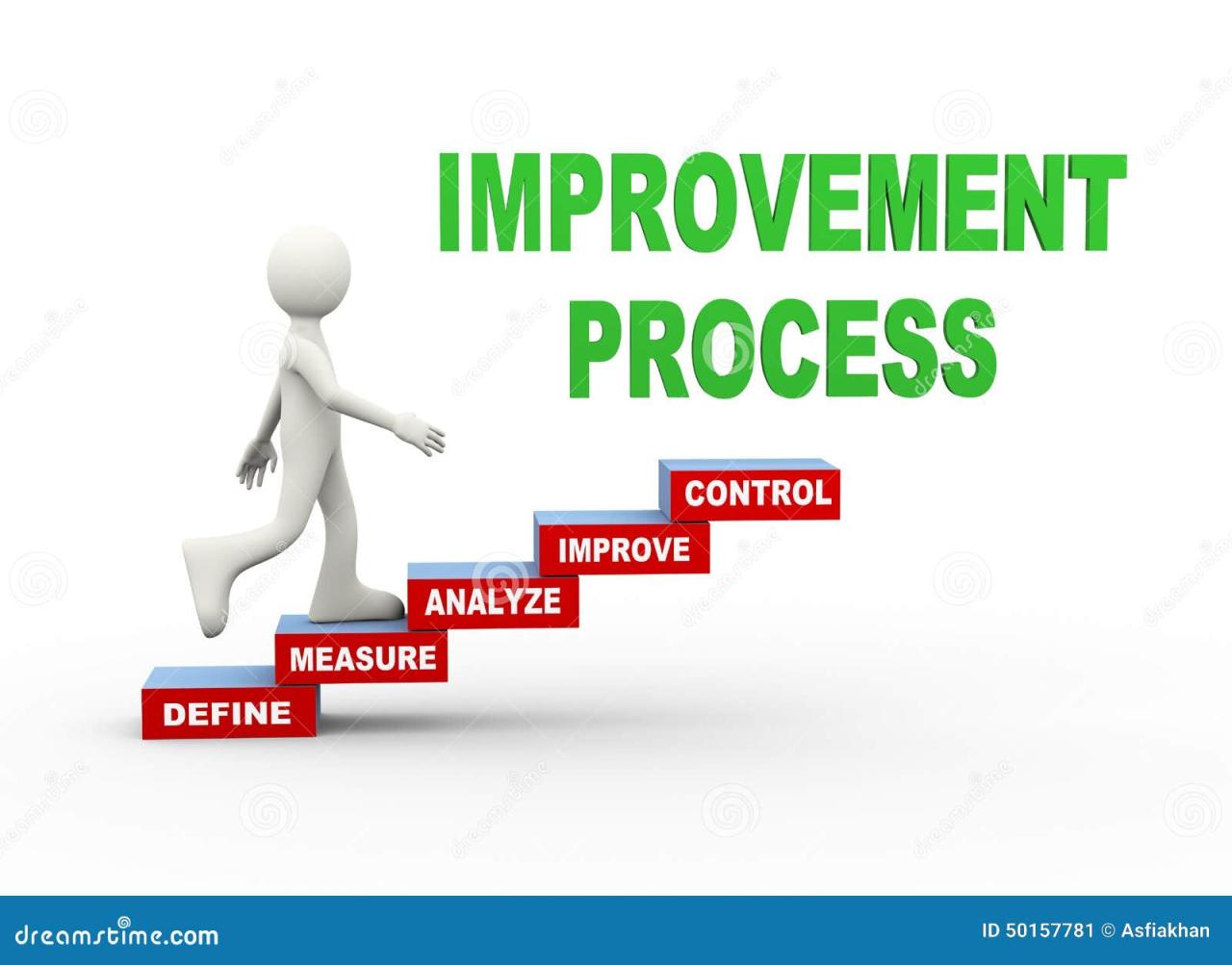
Cultivating strong communication skills is an ongoing process, not a destination. Consistent daily practice is crucial for solidifying understanding and refining technique. This section Artikels practical exercises and routines to enhance your communication abilities.Daily practice fosters a proactive approach to communication. By incorporating these strategies into your routine, you can progressively improve your active listening, verbal clarity, and overall communication effectiveness.
Practical Exercises for Daily Improvement
Consistent practice is essential for skill development. Engaging in short, focused exercises daily can yield significant improvements over time. These exercises should be tailored to your specific needs and goals, and adjusted as needed.
- Active Listening Practice: Dedicate 15-20 minutes each day to actively listen to someone. Focus on understanding their perspective, rather than formulating your response. Reflect back what you’ve heard to ensure comprehension. This can involve conversations with friends, family, or even listening to podcasts or audiobooks with a conscious effort to understand the speaker’s point of view.
- Verbal Communication Drills: Engage in short conversations or role-playing scenarios, practicing clear and concise articulation. This could involve explaining a complex concept to a friend or practicing delivering a presentation in front of a mirror. Record yourself to identify areas for improvement in tone and pacing.
- Nonverbal Communication Awareness: Pay attention to your body language and tone of voice during conversations. Practice maintaining eye contact, using open posture, and adjusting your tone to match the context. Observe how others use nonverbal cues and try to consciously mirror the positive ones while being mindful of your own. Reflect on the impact of your body language and tone on your communication.
Establishing a Daily Routine
Creating a structured routine helps integrate these practices into your daily life, making them a consistent part of your communication development.
- Morning Mindfulness Check-in: Begin your day by taking a few minutes to focus on your breath and thoughts. This mindful practice can enhance your ability to listen attentively and respond thoughtfully throughout the day. This is a simple exercise to increase your self-awareness.
- Active Listening Session: Schedule a specific time for active listening. This could be during your lunch break or after work. Choose a conversation partner and focus on comprehending their message.
- Verbal Communication Practice: Dedicate time for practicing clear and concise verbal communication. This could involve rehearsing a presentation or having a discussion on a particular topic with a friend.
- Evening Reflection: Conclude your day by reflecting on your communication interactions. Identify areas where you could improve and note what worked well. Analyze what went well and where there was room for improvement in your communication efforts.
Incorporating Mindfulness into Communication
Mindfulness involves being present in the moment and paying attention to your thoughts and feelings without judgment. This practice can significantly improve your communication skills.
- Mindful Listening: Focus on the speaker’s words, tone, and body language. Avoid interrupting or formulating your response while they are speaking. Try to identify any underlying emotions or motivations that might be influencing their communication. This promotes better comprehension.
- Mindful Speaking: Take a moment to pause before responding. Consider the impact of your words on the listener. Speak thoughtfully and clearly, and maintain a respectful tone. This promotes thoughtful and considerate interactions.
Ongoing Self-Assessment and Improvement
Regular self-assessment is crucial for tracking progress and identifying areas needing further development.
- Keep a Communication Journal: Document your communication interactions, noting successes and challenges. Analyze the context, your role, and the outcomes of each interaction. Identifying specific situations and analyzing your approach can help you develop strategies to enhance your communication in those areas.
- Seek Feedback: Ask trusted friends or colleagues for constructive criticism on your communication style. Be open to feedback and use it to refine your approach. Encouraging honest feedback is a key part of the process.
- Record and Review: Record yourself during conversations or presentations. Review the recordings to identify areas where you can improve clarity, tone, and body language. This self-evaluation can help in understanding your communication style and identify areas for development.
Simple Daily Activities to Practice Communication Skills
Implementing these practices into everyday tasks can enhance your communication skills naturally.
- Small Talk: Engage in conversations with colleagues or acquaintances. Practice active listening and responding thoughtfully. This can help in strengthening interpersonal connections.
- Explaining Concepts: Explain a concept or idea to someone. This is a useful exercise for improving clarity and articulation of your thoughts. Ensure your explanations are well-structured and easy to follow.
- Giving Feedback: Provide constructive feedback to a friend or colleague on a project or task. Focus on specific behaviors and outcomes. This practice will help in delivering clear and thoughtful feedback, improving your communication in a constructive manner.
End of Discussion
In conclusion, consistent practice and a mindful approach to communication are key to achieving greater clarity and connection in all your interactions. This guide provides a practical roadmap for enhancing your communication skills daily, enabling you to build stronger relationships, achieve greater success, and navigate the complexities of modern life with ease and grace. Remember, continuous self-assessment and adaptation are essential for ongoing improvement.