Navigating job interviews can be daunting, but mastering the art of confident communication is key to success. This comprehensive guide dives deep into the strategies and techniques needed to project self-assurance and effectively articulate your skills and experience. From managing pre-interview jitters to crafting compelling narratives and handling challenging questions, we explore every aspect of interview preparedness.
The guide is structured to cover essential elements, including understanding interview anxiety, preparing for common questions, practicing your delivery, building a strong narrative, mastering body language, addressing difficult situations, and even crucial post-interview follow-up. Each section provides practical advice and actionable steps to help you confidently ace your next interview.
Understanding Interview Anxiety
Interview anxiety is a common experience, affecting individuals across various professional backgrounds. It stems from a complex interplay of factors, making it crucial to understand its roots and develop effective coping strategies. A comprehensive understanding allows individuals to manage their nerves and perform at their best during interviews.Interview anxiety frequently arises from a fear of judgment, the pressure to perform flawlessly, and the potential consequences of failure.
This apprehension can manifest physically and emotionally, impacting both preparation and performance. However, by recognizing the causes and implementing appropriate techniques, individuals can significantly reduce their anxiety and approach interviews with confidence.
Common Causes of Interview Anxiety
Interview anxiety is often triggered by a combination of factors. These include a fear of judgment, the desire to present a perfect image, concerns about the outcome, and past negative experiences. Moreover, a lack of preparation or insufficient self-confidence can significantly contribute to the stress associated with interviews.
Managing Nervousness Before, During, and After Interviews
Effective management of nervousness before, during, and after an interview is vital. Preparation plays a key role in mitigating pre-interview anxiety. Thorough research on the company and the role, along with practice sessions, can help build confidence and reduce uncertainty. During the interview, maintaining a calm demeanor, active listening, and clear articulation are crucial. Finally, acknowledging and accepting the outcome, regardless of the outcome, is essential for post-interview management.
Recognizing and Addressing Negative Self-Talk
Negative self-talk can significantly exacerbate interview anxiety. Identifying and challenging these negative thoughts is essential for building resilience. Replacing negative thoughts with positive affirmations and focusing on past successes can shift the mental perspective. A common example of negative self-talk is believing “I’m not good enough,” whereas a positive affirmation could be “I have the skills and experience to succeed.”
Physiological Effects of Anxiety and Mitigation Strategies
Anxiety triggers physiological responses, such as increased heart rate, rapid breathing, and muscle tension. These physical manifestations can further intensify anxiety. Relaxation techniques, such as deep breathing exercises and progressive muscle relaxation, can effectively mitigate these physical symptoms. Mindfulness and meditation practices can also help individuals stay grounded and focused.
Table Comparing Anxiety-Management Techniques
| Technique | Description | Effectiveness (Scale of 1-5, 5 being highest) | Example Application |
|---|---|---|---|
| Deep Breathing | Focusing on controlled inhalations and exhalations to regulate the nervous system. | 4 | Inhale deeply for 4 seconds, hold for 2 seconds, exhale for 4 seconds. Repeat several times. |
| Progressive Muscle Relaxation | Systematically tensing and relaxing different muscle groups to release physical tension. | 4 | Tighten a muscle group (e.g., your fists), hold for a few seconds, then release and relax. Repeat for different muscle groups. |
| Mindfulness Meditation | Focusing on the present moment without judgment, promoting a sense of calm. | 5 | Paying attention to your breath, bodily sensations, and surroundings without getting carried away by thoughts. |
Preparing for Interview Questions
Mastering interview questions is crucial for a confident and successful interview. Proactive preparation allows candidates to articulate their skills and experience effectively, showcasing their suitability for the role and company. This approach fosters a more natural and engaging conversation, ultimately strengthening the candidate’s position.Thorough preparation for interview questions goes beyond simply knowing the answers. It involves a deep understanding of the role, the company, and common interview questions across various industries.
This understanding enables candidates to tailor their responses to highlight relevant experiences and skills, demonstrating their value to the prospective employer.
Identifying Common Interview Questions
Understanding the typical questions asked in interviews across different roles and industries allows candidates to anticipate and prepare effectively. Common questions often probe candidates’ qualifications, experience, skills, and suitability for the role. These questions often aim to evaluate how well candidates can adapt to the company culture and contribute to its success.
Researching the Company and Role
Thorough research is paramount for a successful interview. Understanding the company’s mission, values, recent projects, and industry standing provides context for demonstrating alignment with the company’s goals. A comprehensive understanding of the role’s responsibilities and required skills enables the candidate to highlight relevant experiences and showcase their ability to fulfill those responsibilities. Furthermore, researching the interviewer’s background can enhance the conversation’s flow.
Structuring Answers to Common Questions
A structured approach to answering interview questions significantly improves the interview process. A common framework involves outlining the answer with a concise introduction, followed by a detailed explanation of relevant experiences and skills, and concluding with a statement about how those experiences directly relate to the requirements of the role. This framework allows for a clear and impactful delivery of the message.
Preparing Answers Showcasing Relevant Skills and Experience
Crafting answers that effectively showcase relevant skills and experience is key. Instead of simply listing accomplishments, candidates should demonstrate how their skills and experiences directly address the specific requirements of the role. Connecting the dots between personal experiences and the demands of the role strengthens the candidate’s position. This can be achieved by using the STAR method (Situation, Task, Action, Result) to frame responses.
Example Interview Questions and Strong Answers
| Typical Interview Question | Example of a Strong Answer |
|---|---|
| Tell me about yourself. | “I’m a highly motivated and results-oriented professional with 5+ years of experience in project management. My background includes successfully leading cross-functional teams to deliver complex projects on time and within budget. I’m passionate about streamlining processes and driving efficiency, which I believe aligns well with [Company Name]’s commitment to innovation.” |
| Why are you interested in this role? | “I’m particularly drawn to [Company Name]’s innovative approach to [industry]. My experience in [relevant area] aligns perfectly with the role’s responsibilities, and I’m confident I can contribute significantly to [team/project]. I’m eager to learn from experienced professionals and contribute to the team’s success.” |
| What are your strengths and weaknesses? | “One of my key strengths is my ability to manage complex projects effectively. I thrive in fast-paced environments and excel at coordinating teams to achieve ambitious goals. A weakness I’m actively working to improve is public speaking. I’m currently enrolled in a public speaking course to hone this skill.” |
Building Confidence Through Practice

Cultivating confidence for job interviews is a crucial step in the process. Thorough preparation, including understanding the interview format and anticipated questions, is fundamental. However, a critical component often overlooked is the value of practice. Consistent practice allows you to refine your responses, manage your nerves, and ultimately, project a more assured and confident self.Practicing beforehand significantly reduces interview anxiety and builds a stronger sense of preparedness.
This proactive approach translates into improved performance, fostering a more positive and productive interview experience. By familiarizing yourself with the interview environment and your potential responses, you can navigate the interview with greater composure and clarity.
Mock Interview Formats
Mock interviews provide a valuable opportunity to simulate the real interview experience. They allow you to practice your responses, refine your body language, and identify areas needing improvement. Different formats can be utilized, each with its unique benefits.
- One-on-one mock interviews with a mentor or career counselor are highly beneficial. The personalized feedback received from an experienced professional is invaluable for identifying specific areas for growth and tailoring your approach to the specific requirements of the role. This format often involves detailed feedback and insightful guidance, facilitating deeper self-awareness and enhancing your interview skills.
- Group mock interviews, involving several candidates, offer an opportunity to practice handling unexpected or challenging questions in a group setting. This dynamic environment allows you to observe the responses of your peers, learn from their strengths and weaknesses, and build confidence through shared experiences. Furthermore, group discussions can mirror the collaborative aspects of the job environment.
- Self-recorded mock interviews, using video or audio recording, are a practical and self-directed approach. This allows for a thorough review of your delivery, body language, and verbal responses. This format enables you to identify areas where you can improve in terms of both content and presentation. It also provides a valuable opportunity for self-assessment and identifying patterns in your communication style.
The Role of Practice in Reducing Anxiety
Regular practice, regardless of the format, plays a pivotal role in reducing interview anxiety. By familiarizing yourself with potential questions and practicing your responses, you build confidence and reduce the fear of the unknown. This preparation translates into a more relaxed and focused interview performance, which, in turn, can lead to more favorable outcomes.
Practicing with a Friend or Mentor
Practicing with a friend or mentor provides valuable feedback and constructive criticism. Friends can offer a supportive environment, while mentors can provide professional insights and guidance. This interactive approach can be particularly effective in addressing specific concerns and refining your approach to different question types. The support and guidance of a mentor or friend provide an invaluable sounding board for developing a comprehensive understanding of the interview process.
Different Methods of Interview Practice
Various methods can enhance your interview preparation. Each approach has its advantages and disadvantages. Understanding these nuances will allow you to choose the most effective strategy for your individual needs.
| Practice Method | Advantages | Disadvantages |
|---|---|---|
| Practicing with a mirror | Allows for immediate feedback on body language, posture, and eye contact. Provides a clear visual representation of your presentation. | Can feel artificial; may not fully replicate the pressure of a real interview. Potential for self-consciousness. |
| Recording yourself | Provides a comprehensive review of your verbal and non-verbal communication. Allows for objective assessment of your performance. | Requires additional effort in reviewing the recording. May lead to over-analysis. Can be time-consuming. |
| Practicing with a friend or mentor | Provides personalized feedback, tailored to your specific needs. Offers support and encouragement. | Feedback might be subjective or biased. May not replicate the pressures of an actual interview. |
Crafting a Compelling Narrative
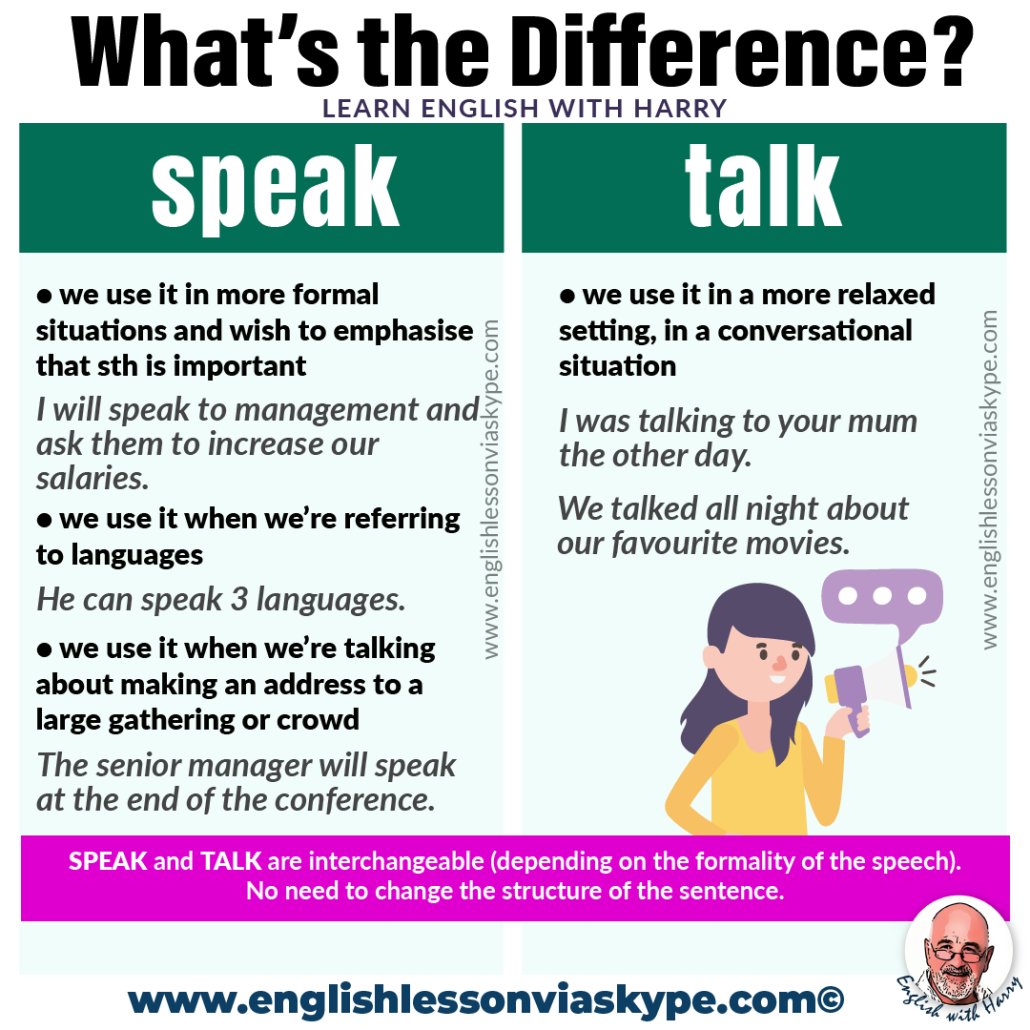
Crafting a compelling narrative in an interview is crucial for showcasing your suitability for a role. It’s not just about listing your skills and experiences; it’s about weaving them into a cohesive story that highlights your value proposition and aligns with the employer’s needs. This approach allows you to demonstrate not only what you can do but also
why* you’re the right person for the job.
A well-structured narrative connects your past experiences to your future aspirations, demonstrating how your skills and experiences have prepared you for the specific role. This narrative is built on the foundation of your understanding of the role and the company. It allows you to demonstrate how your personality and motivations complement the company culture and the requirements of the position.
Structuring Your Personal Story
A compelling narrative is not a recitation of your resume. It’s a carefully crafted story that highlights your key skills and experiences, demonstrating how they translate to the specific needs of the role. It requires a deep understanding of the job description and the company culture. Begin by identifying the most relevant skills and experiences.
Highlighting Key Aspects of Your Background
Focus on quantifiable achievements and results. Instead of simply stating you “managed a project,” describe the project’s scope, the challenges encountered, and the positive outcomes achieved. Use specific metrics to demonstrate the impact of your actions. For example, “I led a team of five in developing a new marketing campaign, resulting in a 15% increase in sales within the first quarter.” This is more impactful than simply saying “I led a team.”
Showcasing Passion and Enthusiasm
Your passion for the role should be evident in your narrative. Connect your interest in the company’s mission or values to your own personal motivations and career goals. Demonstrate your enthusiasm by sharing specific aspects of the role or company that excite you. This enthusiasm will resonate with the interviewer and highlight your genuine interest in the position.
Weaving Skills and Experience
Your narrative should seamlessly integrate your skills and experiences, demonstrating how they align with the role’s requirements. This can be achieved by structuring your narrative chronologically or thematically, depending on the specific requirements of the position. For example, if the role requires strong communication skills, highlight experiences where you effectively communicated complex ideas to diverse audiences, providing quantifiable results.
Illustrating Accomplishments with Quantifiable Results
Quantifiable results demonstrate the impact of your actions. Use metrics, numbers, and percentages to quantify your accomplishments. This provides concrete evidence of your abilities and effectiveness. For instance, “I reduced customer support response times by 20% by implementing a new ticketing system.” This is far more impactful than simply saying “I improved customer support.”
Body Language and Nonverbal Communication
First impressions are crucial in interviews. Positive body language can significantly enhance your perceived confidence and competence, making a lasting impression on the interviewer. Conversely, negative nonverbal cues can undermine your credibility and diminish your chances of success. Understanding and effectively utilizing nonverbal communication is therefore essential for a successful interview.
Importance of Positive Body Language
Positive body language conveys confidence, engagement, and respect. It helps create a connection with the interviewer, demonstrating your attentiveness and genuine interest in the opportunity. This rapport-building through nonverbal cues can significantly impact the interviewer’s perception of your suitability for the role.
Significance of Eye Contact, Posture, and Gestures
Maintaining appropriate eye contact demonstrates engagement and sincerity. A confident posture, such as standing or sitting upright with relaxed shoulders, projects self-assurance. Controlled and purposeful gestures, rather than fidgeting or excessive movements, contribute to a positive image. These elements work in concert to create a cohesive impression of confidence.
Common Nonverbal Cues of Confidence
Several nonverbal cues can communicate confidence during an interview. These include: maintaining consistent and appropriate eye contact, assuming an open and relaxed posture, using natural and controlled gestures, and maintaining a steady and calm tone of voice. These behaviors communicate a sense of composure and self-assurance.
Using Nonverbal Communication to Project Confidence and Enthusiasm
Employing nonverbal cues effectively can project confidence and enthusiasm. For instance, a firm handshake upon meeting, a genuine smile, and attentive listening through open posture and focused eye contact all contribute to a positive impression. A confident stance and engaging gestures, like pointing or gesturing with your hands while explaining ideas, show enthusiasm and engagement.
Table: Positive vs. Negative Nonverbal Cues in Interviews
| Positive Nonverbal Cues | Negative Nonverbal Cues |
|---|---|
| Eye Contact: Maintaining appropriate eye contact, showing engagement and attentiveness. | Eye Contact: Avoiding eye contact, looking around, or downcast eyes, which can appear disinterested or evasive. |
| Posture: Sitting or standing tall with relaxed shoulders, demonstrating confidence and openness. | Posture: Slouching, fidgeting, or appearing tense, which can convey nervousness or lack of confidence. |
| Gestures: Using controlled and natural gestures to emphasize points, highlighting enthusiasm and engagement. | Gestures: Fidgeting, excessive or distracting movements, or nervous habits, which can detract from your message and appear unprofessional. |
| Facial Expressions: Smiling genuinely and maintaining a pleasant expression throughout the interview, showing approachability and warmth. | Facial Expressions: Looking tense, frowning, or displaying negative emotions, which can signal anxiety or discomfort. |
| Tone of Voice: Maintaining a steady, clear, and enthusiastic tone of voice, demonstrating composure and confidence. | Tone of Voice: Speaking too quickly or slowly, mumbling, or using filler words, which can project a lack of confidence or preparedness. |
Handling Difficult Questions
Navigating challenging questions during an interview requires a strategic approach, combining composure with a proactive mindset. Effective responses demonstrate not only your knowledge and skills but also your ability to think clearly under pressure. This section will equip you with techniques to turn potentially problematic questions into opportunities to showcase your strengths.
Strategies for Addressing Challenging Questions
Handling difficult interview questions effectively involves more than just providing a quick answer. It’s about demonstrating a thoughtful and composed approach. A key strategy is to acknowledge the question directly, even if it seems uncomfortable. Avoid immediately jumping to an answer; take a moment to process and formulate a response that aligns with your qualifications and experience.
This pause allows you to demonstrate your ability to think critically and strategically.
Examples of Common Difficult Questions and How to Answer Them Effectively
Several types of questions can present challenges during interviews. Understanding common themes and developing tailored responses can significantly impact your success. These responses should be tailored to your individual experiences and qualifications.
- Questions about weaknesses: Instead of trying to avoid discussing your weaknesses, frame them as areas for growth and improvement. For example, if asked about a time you struggled with a project, describe the situation, your approach, and what you learned from the experience. Highlight the steps you took to address the weakness and the positive outcome that resulted from it.
- Questions about salary expectations: Research industry standards for similar roles to help you establish a reasonable range. Focus on the value you bring to the company and how your contributions align with the position’s responsibilities. Frame your salary expectations within the context of your experience and the market rate. Avoid being overly focused on the salary amount itself.
- Questions about your decision to leave a previous job: Focus on the positive aspects of your previous role. Express gratitude for the experiences gained. Shift the conversation towards the reasons you’re seeking a new opportunity and how this new role aligns with your career aspirations. Avoid negative commentary about your previous employer.
- Questions probing your ability to work in a team: Share specific examples of successful teamwork experiences, emphasizing your collaborative skills and your ability to contribute effectively to a group dynamic. Highlight situations where you actively listened to others, and collaborated effectively towards a common goal.
The Importance of Remaining Calm and Composed During Difficult Situations
Maintaining composure under pressure is crucial during interviews. A calm and collected demeanor conveys confidence and professionalism. Deep breaths and a thoughtful approach can help you manage any anxiety you may feel. Practice deep breathing techniques and positive self-talk beforehand to prepare for potential challenges.
Techniques for Reframing Challenging Questions into Opportunities to Showcase Your Skills
Difficult questions, when approached strategically, can be transformed into opportunities to showcase your skills and experience. By reframing the question, you can highlight relevant aspects of your qualifications. This involves actively listening, identifying the underlying concerns, and demonstrating how your skills directly address them.
| Difficult Question | Effective Answer |
|---|---|
| “What is your biggest weakness?” | “While I’m a strong communicator and a fast learner, I sometimes get caught up in the details. To address this, I’ve developed a practice of outlining tasks and setting time limits. This helps me stay focused and deliver high-quality work efficiently.” |
| “Why are you leaving your current job?” | “I’m seeking a role that aligns more closely with my long-term career goals. The opportunity to work on [specific project/task] at [new company] truly excites me.” |
| “Describe a time you failed.” | “In a previous project, I underestimated the complexity of a particular task. I acknowledged my mistake, sought feedback from my colleagues, and developed a revised approach that ultimately led to a successful outcome. This experience reinforced the importance of proactive problem-solving.” |
| “Where do you see yourself in five years?” | “In five years, I envision myself as a key contributor to a successful team, excelling in [specific area of expertise] and leveraging my skills to achieve significant results for the company.” |
Post-Interview Follow-up
A crucial step in the interview process, post-interview follow-up demonstrates your continued interest and professionalism. This step allows you to reiterate your enthusiasm for the position and further solidify your candidacy in the interviewer’s mind. A well-crafted follow-up reinforces your positive impression and distinguishes you from other candidates.Following the interview, a timely and thoughtful thank-you note or email is essential.
It’s an opportunity to express your appreciation for the interviewer’s time and demonstrate your genuine interest in the role. This action, often overlooked, can significantly impact your chances of securing the position.
Importance of a Thank-You Note
A thank-you note immediately after the interview demonstrates your professionalism and appreciation. It’s a chance to reiterate your interest and highlight key skills or experiences that align with the role. This proactive approach sets you apart from other candidates who may not follow up. It’s a powerful tool to maintain engagement and reinforce a positive impression.
Strategies for Reinforcing Interest
Several strategies can effectively enhance your follow-up message. Summarize key points of the discussion, emphasizing your understanding of the role and company culture. Highlight specific aspects of the role that particularly appeal to you, showcasing your alignment with the organization’s goals. Briefly restate your qualifications and enthusiasm for the opportunity. This concise approach reinforces your interest and readiness for the next steps.
Effective Thank-You Messages
Effective thank-you messages showcase appreciation and confidence. These messages should be personalized, referencing specific details from the interview. A well-written thank-you message should highlight your enthusiasm for the position and reiterate your interest in learning more about the role. For example, if the interviewer mentioned a specific project, referencing it in your thank-you note shows you actively listened and retained key details.
Consider this example: “Thank you for taking the time to speak with me today. I was particularly interested in learning more about the XYZ project, and I believe my skills in [relevant skill] would be a valuable asset to the team.”
Key Points to Include in a Follow-Up Message
A follow-up message should include several key elements to demonstrate enthusiasm. These include expressing gratitude for the interviewer’s time, reiterating your interest in the position, and briefly referencing key discussion points. Confirming your understanding of next steps in the hiring process demonstrates your preparedness and proactive nature. This demonstrates your engagement and seriousness about the role.
Summary of Effective Follow-up Message Elements
| Element | Description |
|---|---|
| Gratitude | Express sincere appreciation for the interviewer’s time and consideration. |
| Interest Reiteration | Reiterate your enthusiasm for the position and your interest in learning more. |
| Specific Discussion Points | Reference specific details from the interview, demonstrating active listening. |
| Next Steps Clarification | Confirm understanding of the next steps in the hiring process. |
| Professional Tone | Maintain a professional and confident tone throughout the message. |
Wrap-Up

In conclusion, achieving interview confidence is a multifaceted process. By understanding and managing anxiety, meticulously preparing for questions, practicing your delivery, crafting a compelling narrative, and mastering nonverbal communication, you significantly enhance your chances of success. A well-structured follow-up reinforces your interest and professionalism. Remember, confidence isn’t innate; it’s cultivated through preparation and practice. This guide equips you with the tools to confidently present yourself as a suitable candidate.