Stage fright, a common experience for many, can significantly impact performance. This comprehensive guide offers practical strategies to conquer stage fright quickly, from understanding its roots to building lasting confidence. We’ll explore a range of techniques, including calming exercises, cognitive restructuring, and effective preparation methods.
This guide provides actionable steps to effectively manage the physiological and psychological aspects of stage fright. We will examine various types of stage fright, their causes, and the impact they have on performance. By understanding these factors, you can develop a personalized plan to alleviate anxiety and improve your overall performance.
Understanding Stage Fright

Stage fright, a common experience for performers and speakers, is a complex phenomenon rooted in both physiological and psychological responses. It’s not simply a matter of nervousness; it involves a cascade of reactions that can significantly impact an individual’s ability to perform effectively. This section delves into the multifaceted nature of stage fright, examining its causes, types, and effects.
Physiological Aspects of Stage Fright
The physiological response to stage fright is often characterized by a heightened state of arousal. This is a natural response triggered by the sympathetic nervous system, preparing the body for potential threats or challenges. Increased heart rate, rapid breathing, sweating, and trembling are common physical manifestations of this heightened arousal. These reactions are not necessarily negative, as they can provide a temporary surge of energy, but when excessive, they can interfere with performance.
The brain interprets these physiological changes as signs of danger, potentially leading to feelings of anxiety.
Psychological Aspects of Stage Fright
The psychological component of stage fright encompasses a range of cognitive and emotional responses. Individuals experiencing stage fright often grapple with negative thoughts and self-doubt. Fear of judgment, failure, and criticism can significantly impact confidence and performance. These negative thoughts can create a self-fulfilling prophecy, amplifying the physiological responses and hindering the individual’s ability to perform effectively.
This psychological aspect highlights the importance of positive self-talk and managing negative thought patterns.
Types of Stage Fright
Stage fright can manifest in various ways, impacting individuals differently. Different types of stage fright include anticipatory anxiety, performance anxiety, and social anxiety. Anticipatory anxiety involves the fear and nervousness leading up to the performance, while performance anxiety occurs during the actual performance. Social anxiety is related to fear of being judged or negatively evaluated by others. These differing types of stage fright require specific coping mechanisms to address their unique characteristics.
Common Triggers and Causes of Stage Fright
Several factors can trigger or contribute to stage fright. These include past negative experiences, perceived lack of preparation, fear of failure, fear of public judgment, and even a lack of confidence in one’s abilities. Furthermore, performance settings that are unfamiliar, overly critical audiences, and high-stakes situations can exacerbate the anxiety. Identifying these triggers allows individuals to develop targeted strategies for managing their stage fright.
Impact of Stage Fright on Performance
Stage fright can significantly impact performance. It can manifest as difficulty concentrating, forgetting lines or steps, and experiencing tremors or vocal issues. This impact can range from mild disruption to complete inability to perform. The resulting anxiety can lead to a decreased ability to focus on the task at hand, ultimately compromising the quality of the performance.
Moreover, the physiological symptoms, like sweating or shaking, can distract both the performer and the audience.
Comparison of Anxiety Levels Related to Stage Fright
| Anxiety Level | Description | Physiological Responses | Psychological Responses | Impact on Performance |
|---|---|---|---|---|
| Mild | A sense of nervousness or excitement. | Slight increase in heart rate, mild sweating. | Positive anticipation, focus on task. | Minor disruption, potential for energy boost. |
| Moderate | Significant nervousness and apprehension. | Increased heart rate, noticeable sweating, trembling. | Negative thoughts, self-doubt, difficulty concentrating. | Performance becomes slightly compromised, potential for forgetting lines or steps. |
| Severe | Extreme fear and panic. | Rapid heart rate, significant sweating, shaking, difficulty breathing. | Intense fear of failure, loss of control, overwhelming negative thoughts. | Significant disruption in performance, complete loss of concentration and ability to perform. |
Techniques for Immediate Relief
Overcoming stage fright requires not only understanding its roots but also developing practical strategies for managing anxiety in the moment. These techniques can be invaluable tools for calming your body and mind before a performance, enabling you to present confidently and effectively.Effective techniques for immediate relief can significantly reduce the physiological and psychological symptoms of stage fright. By learning and practicing these methods, you can equip yourself with tools to control your response to anxiety and present with greater composure.
Calming the Body
Physical relaxation plays a crucial role in managing stage fright. Techniques that focus on releasing physical tension are often the first steps in reducing overall anxiety. Deep breathing, progressive muscle relaxation, and guided imagery are among the most effective approaches.
- Deep Breathing Exercises: Controlled breathing is a powerful tool for calming the nervous system. Deep, slow breaths help regulate heart rate and reduce feelings of panic. Inhale deeply through your nose, filling your lungs completely, and exhale slowly through your mouth, focusing on releasing tension with each breath. Practice this technique for several minutes before a performance to establish a sense of calm.
- Progressive Muscle Relaxation: This technique involves systematically tensing and relaxing different muscle groups in your body. By consciously relaxing each muscle group, you can release physical tension that often accompanies anxiety. Begin by tensing a muscle group, such as your hand, for a few seconds, and then release the tension, focusing on the feeling of relaxation. Continue this process with other muscle groups, moving from your hands to your arms, shoulders, and down your body.
- Guided Imagery: Guided imagery involves using vivid mental pictures to create a calming and peaceful environment. This can be particularly helpful for reducing anxiety by distracting your mind from negative thoughts. Imagine a relaxing scene, such as a serene beach or a quiet forest, and focus on the sensory details of the environment. Visualize the sights, sounds, smells, and textures of this scene to immerse yourself in a state of calm.
Calming the Mind
Mindfulness and meditation practices can effectively manage mental anxieties that contribute to stage fright. By focusing on the present moment, these practices can help quiet the internal chatter and reduce feelings of stress.
- Mindfulness: Mindfulness involves paying attention to the present moment without judgment. By focusing on your breath, bodily sensations, or external stimuli, you can detach from anxious thoughts and emotions. During a performance, use mindfulness to focus on the task at hand rather than dwelling on potential mistakes.
- Meditation: Meditation involves training the mind to focus and be present. Regular meditation practice can enhance your ability to manage stress and anxiety. Find a quiet space, sit comfortably, and focus on your breath. As thoughts arise, gently redirect your attention back to your breath. Regular meditation practice can increase your ability to stay calm in high-pressure situations.
Step-by-Step Guide to Relaxation Techniques
A structured approach to practicing relaxation techniques can build confidence and consistency. This structured approach ensures you have the tools needed to manage stage fright before each performance.
| Step | Action |
|---|---|
| 1 | Choose a Technique: Select a relaxation technique that resonates with you. Consider deep breathing, progressive muscle relaxation, guided imagery, or mindfulness. |
| 2 | Find a Quiet Space: Locate a quiet area where you can practice without distractions. |
| 3 | Establish a Routine: Practice the chosen technique regularly, preferably daily. This consistency will build your skill and effectiveness. |
| 4 | Practice Before Performances: Apply the chosen relaxation technique in the hours leading up to your performance. This will help you maintain a calm state of mind. |
| 5 | Adjust and Adapt: Monitor how each technique affects you and adjust as needed. Experiment with different approaches until you find the ones that work best for you. |
Cognitive Restructuring Strategies
Overcoming stage fright often involves addressing the negative thought patterns that fuel anxiety. Cognitive restructuring is a powerful technique that helps individuals identify, challenge, and replace these negative thoughts with more realistic and positive ones. By understanding and practicing these strategies, individuals can significantly reduce their anxiety and improve their performance.Cognitive restructuring is a core component of managing stage fright because it directly targets the underlying mental processes contributing to the fear.
It focuses on the connection between thoughts, feelings, and behaviors. By changing the negative thoughts, individuals can alter their emotional response and, consequently, their behavioral reactions to the performance situation.
Identifying and Challenging Negative Thoughts
Negative thoughts related to performance can manifest in various forms, including fear of failure, worries about criticism, and doubts about competence. Recognizing these thoughts is the first step in challenging their validity. Individuals should actively monitor their internal dialogue during rehearsals and practice sessions. Keeping a journal or using a mobile application can help track these thoughts.
It is important to note that negative thoughts are often automatic and may not be consciously chosen.
Examples of Positive Self-Talk and Affirmations
Positive self-talk and affirmations are crucial in counteracting negative thoughts. These statements reinforce confidence and focus on personal strengths. Examples include: “I am prepared,” “I am capable,” “I am confident in my abilities,” or “My performance will be excellent.” These positive statements should be tailored to individual needs and anxieties.
Techniques for Reframing Negative Thoughts into Positive Ones
Reframing negative thoughts involves actively challenging their validity and replacing them with more realistic and positive perspectives. For instance, if a performer thinks, “I’m going to mess up,” they can reframe this by saying, “Even if I stumble, I can recover and continue.” A crucial element of reframing is replacing absolute terms (like “always” or “never”) with more flexible language.
This process acknowledges the possibility of setbacks while maintaining a positive outlook.
Replacing Negative Self-Perception with Realistic Self-Assessment
Negative self-perception can significantly impact performance. Individuals should engage in realistic self-assessment, acknowledging both strengths and weaknesses. Instead of dwelling on perceived shortcomings, focus on areas of competence and past successes. For instance, instead of focusing on a perceived lack of experience, highlight past presentations or performances where the individual demonstrated competence and composure.
Common Negative Thoughts and Their Positive Reframes
| Common Negative Thought | Positive Reframe |
|---|---|
| “I’m going to forget everything.” | “I’ve rehearsed thoroughly, and I’m confident in my knowledge.” |
| “The audience will think I’m terrible.” | “The audience is there to support me and enjoy the performance.” |
| “My hands are shaking.” | “My nervousness is a natural response, and I can manage it.” |
| “I’m not good enough.” | “I’ve worked hard to prepare, and I’m capable of delivering a strong performance.” |
| “What if I make a mistake?” | “Mistakes are part of the learning process, and I can learn from them.” |
Preparation and Practice
Thorough preparation and diligent practice are cornerstones of overcoming stage fright. Proactive measures, rather than reactive fixes, are often the most effective strategies for managing anxiety. A well-rehearsed performance demonstrates confidence and reduces the likelihood of errors, thereby diminishing the fear of failure.Effective preparation isn’t just about memorizing the words; it encompasses a holistic approach to mastering the material and cultivating a sense of readiness.
By actively engaging with the material and practicing in various scenarios, performers can build a strong foundation of competence, fostering greater self-assurance and reducing anxiety.
Importance of Thorough Preparation
Thorough preparation minimizes the feeling of uncertainty and the fear of the unknown. Understanding the material intimately reduces the pressure to remember everything during the performance. This in turn diminishes the feeling of vulnerability and allows for a more natural, flowing presentation. For example, a musician who has thoroughly practiced their piece is more likely to perform with fluidity and expressiveness, rather than feeling overwhelmed by the task at hand.
Likewise, a speaker who has researched and organized their presentation is better equipped to handle unexpected questions or diversions.
Value of Repeated Practice
Consistent practice reinforces familiarity with the material. The more times the material is practiced, the more ingrained it becomes in the performer’s memory and the more comfortable they become with delivering it. This familiarity translates to reduced anxiety and a greater sense of control. For instance, a student practicing a speech multiple times will become increasingly adept at handling the material and will have less to fear on the day of the presentation.
Practice in Different Settings
Practicing in diverse settings enhances adaptability and reduces performance anxiety. Practicing in different environments simulates the actual performance conditions, allowing the performer to acclimate to varying levels of noise, distractions, and audience interaction. This adaptability fosters a stronger sense of control.
- Rehearsals: Rehearsals, ideally with a rehearsal audience or peers, provide a platform for practicing in a simulated performance setting. This allows the performer to receive feedback, refine their delivery, and become more comfortable with the atmosphere of a performance. For instance, a choir rehearsing with a conductor in a large hall prepares them for the larger performance space and for the dynamics of a full performance.
- Solo Practice: Practicing alone, especially with the intention of mimicking the performance conditions, builds familiarity and confidence. For example, practicing a monologue in front of a mirror allows the actor to refine their delivery, observe their body language, and gauge their own reactions to the material.
Visualization of Successful Performances
Visualizing successful performances builds confidence and reduces anxiety. Mentally rehearsing the performance allows the performer to anticipate potential challenges and develop coping mechanisms. This mental practice builds resilience. For example, a public speaker visualizing themselves delivering a clear and engaging presentation can help to mitigate their anxiety and foster a sense of accomplishment.
Breaking Down Complex Material
Breaking down complex material into manageable parts reduces the perceived magnitude of the task. This approach fosters a sense of accomplishment with each section mastered. For example, a long presentation can be divided into smaller, focused segments, each of which can be rehearsed and mastered individually before the overall performance. This approach can significantly decrease the overwhelming feeling of stage fright.
- Chunking: Dividing the material into smaller, more manageable units facilitates easier memorization and practice. For instance, a complex argument can be broken down into individual points, each with supporting evidence, and practiced separately.
Building Confidence and Self-Esteem
Cultivating confidence and self-esteem is crucial for overcoming stage fright. A strong sense of self-worth allows individuals to approach public speaking with greater resilience and poise. This section explores techniques to bolster confidence, enhance self-esteem, and foster a positive self-image, ultimately equipping speakers with the tools to confidently navigate the anxieties associated with public performance.
Techniques for Building Confidence in Abilities
Developing confidence in one’s public speaking abilities is a multifaceted process. It involves actively practicing and refining skills, seeking constructive feedback, and acknowledging past successes. Consistent practice, even in small settings, gradually builds competence and reduces the fear of the unknown. Regular participation in public speaking engagements, such as Toastmasters International meetings or local clubs, provides valuable experience and fosters a sense of accomplishment.
Furthermore, seeking constructive feedback from experienced speakers or mentors can identify areas for improvement and highlight strengths, thereby promoting a more realistic and positive self-assessment.
Exercises for Increasing Self-Esteem Related to Public Speaking
These exercises aim to foster a stronger sense of self-worth and confidence in public speaking. One effective exercise involves identifying past successes in public speaking situations. This exercise helps to acknowledge and celebrate past achievements, which can serve as powerful reminders of capabilities. Additionally, creating a personalized “success journal” to record past triumphs, no matter how small, can further reinforce positive self-perception.
Visualizing a successful performance, picturing oneself confidently delivering a speech, can also be a powerful technique. Regular practice, focused on mastering specific aspects of public speaking, such as vocal projection or body language, is a valuable exercise to build competence and bolster confidence.
Strategies for Developing a Positive Self-Image
Developing a positive self-image involves cultivating a realistic and compassionate view of oneself. This includes recognizing personal strengths and acknowledging areas for growth without self-criticism. A helpful strategy is to identify personal values and align one’s public speaking activities with these values. This alignment fosters a sense of authenticity and purpose, which in turn contributes to a stronger sense of self-worth.
Furthermore, focusing on the message rather than the fear can shift attention from personal anxieties to the intended impact of the presentation.
The Role of Positive Feedback and Encouragement
Positive feedback and encouragement play a vital role in building confidence and self-esteem. Constructive criticism, when delivered with empathy and support, can be instrumental in fostering growth. Seeking feedback from trusted mentors, colleagues, or friends can provide valuable insights and encourage self-improvement. Surrounding oneself with a supportive network of individuals who offer positive reinforcement can create an environment conducive to personal growth and public speaking success.
Active listening and demonstrating empathy towards others’ perspectives can also contribute to a more positive self-image.
Actionable Steps for Improving Self-Esteem Before a Performance
Taking specific steps before a performance can significantly boost self-esteem and reduce stage fright.
- Acknowledge and accept limitations: Recognizing that perfection is unattainable and focusing on progress rather than flawlessness is essential. This acceptance reduces pressure and promotes a more relaxed mindset.
- Positive self-talk: Replacing negative thoughts with positive affirmations can significantly impact performance. Examples include statements like “I am prepared,” “I can do this,” or “I am confident in my ability.”
- Focus on the audience’s needs: Shifting the focus from personal anxieties to the audience’s needs can ease nervousness and enhance engagement.
- Practice deep breathing exercises: Slow, deep breaths can calm the nervous system and reduce physical symptoms of anxiety.
- Engage in pre-performance relaxation techniques: Techniques like meditation or mindfulness can promote a sense of calm and reduce stress before the presentation.
Managing External Factors
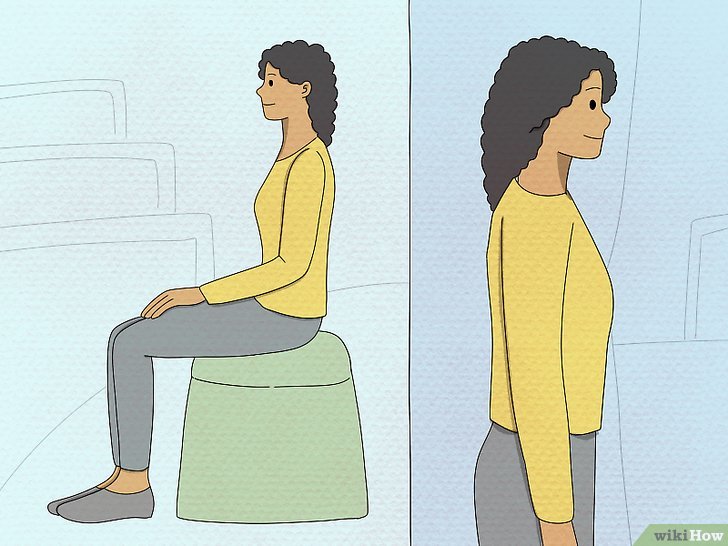
Overcoming stage fright involves not only internal adjustments but also skillful management of the external environment. A supportive and distraction-free environment significantly reduces anxiety and allows performers to focus on their craft. Understanding and proactively addressing external factors can significantly improve the overall performance experience.The environment plays a crucial role in shaping a performer’s experience. A carefully crafted setting can foster confidence and reduce stress, while a chaotic or hostile one can amplify anxiety.
Therefore, recognizing and managing these external elements is paramount to achieving a successful performance.
Importance of a Supportive Environment
A supportive environment fosters a sense of calm and control, which is essential for managing stage fright. Creating this environment involves considering various elements, from the physical space to the interactions with others. Positive interactions with fellow performers, crew, or even the audience can significantly impact the performer’s state of mind. These interactions can range from encouraging words to a shared sense of camaraderie.
Techniques for Creating a Positive Atmosphere
Creating a supportive atmosphere involves proactive steps. For example, if performing in a rehearsal space, ensuring adequate lighting, comfortable seating, and minimal distractions can contribute to a calm environment. Similarly, positive reinforcement from colleagues or mentors can significantly bolster confidence and reduce apprehension. Encouraging open communication and fostering a sense of team spirit are critical in creating a supportive environment.
This can involve team-building activities or simply encouraging open and honest dialogue amongst the performers.
Strategies for Dealing with Distractions and Interruptions
Distractions and interruptions can disrupt focus and amplify stage fright. To mitigate these, performers can develop strategies for minimizing their impact. For instance, using noise-canceling headphones or earplugs can block out unwanted sounds during rehearsals. Pre-planning and having a clear performance schedule can reduce the likelihood of unexpected interruptions. Communicating clearly with stage crew or technical personnel about any potential issues beforehand can also help to mitigate disruptions during the actual performance.
Handling Audience Reactions
Audience reactions, both positive and negative, can significantly impact a performer’s experience. Understanding that audience reactions are a normal part of the performance experience is crucial. Practicing emotional regulation techniques can help performers manage their responses to both positive and negative feedback. It’s important to recognize that audience members are often just as anxious as the performer.
Practicing empathy and understanding can help to contextualize their reactions.
Adapting to Various Performance Settings and Contexts
Different performance settings and contexts require different approaches. Understanding the nuances of each environment is crucial. For example, performing in a small, intimate setting might require a different approach than performing in a large, public arena. The size of the audience, the level of formality, and the overall atmosphere all contribute to the context of the performance.
Practicing in various settings and with different audiences can help performers adapt their approach and build confidence in handling diverse situations.
Addressing Specific Performance Concerns

Overcoming stage fright involves anticipating and proactively addressing potential challenges. This section focuses on common performance anxieties and provides strategies for maintaining composure under pressure, ensuring a positive and successful presentation. Effective preparation and a clear understanding of potential issues are crucial in minimizing stress and maximizing performance.
Identifying Common Performance Concerns
Many anxieties stem from predictable concerns. Understanding these anxieties allows for targeted preparation and proactive solutions. Common concerns include technical malfunctions, audience reactions, and unforeseen circumstances. By anticipating these issues, performers can mitigate their impact and maintain composure.
Strategies for Addressing Technical Difficulties
Proactive measures are key to handling technical glitches. A well-rehearsed backup plan is essential. This might involve having a secondary presentation file, knowing the location of the remote controls, or having a colleague on standby to assist with any equipment issues. This preparation is crucial to maintaining a smooth performance. Furthermore, practicing with the equipment in advance helps identify potential problems and develop strategies to overcome them.
For example, a presentation with a projector should be tested beforehand in the room to ensure the connection and image quality. A backup plan should be to use a laptop as a secondary presentation tool in case of a failure of the projector.
Maintaining Composure During Unexpected Events
Unexpected interruptions, such as audience questions or technical issues, can disrupt a performance. Developing strategies for maintaining composure during these moments is critical. Deep breathing exercises, mental imagery, and focusing on the next few steps can help manage anxiety. Visualizing a successful resolution to the problem can help the performer stay focused and composed. For instance, if a microphone malfunctions, focusing on the next point in the presentation and delivering it with confidence can help to regain control.
Handling Criticism or Negative Feedback
Constructive feedback is valuable for improvement. However, negative feedback can be unsettling. Strategies for handling such feedback constructively are important. Focusing on the specific comments, separating them from personal attacks, and seeking clarification on the concerns expressed are essential steps. Taking a moment to process the feedback before responding can help ensure a measured and professional response.
For instance, if a member of the audience criticizes a particular point, listen carefully to their concerns, ask for clarification, and calmly explain your rationale.
Troubleshooting Guide for Specific Technical Problems
A pre-planned troubleshooting guide for potential technical problems is essential. This document should Artikel solutions for common issues. For instance, if a projector malfunctions, the guide should include steps to check the power cord, connections, and lamp. If the presentation software crashes, it should Artikel the steps to recover the presentation, or to use an alternative device for presentation.
| Problem | Troubleshooting Steps |
|---|---|
| Projector not displaying | 1. Check power cord and connections. 2. Check the lamp. 3. Try another cable or source of power. 4. Consult troubleshooting guide or contact support. |
| Presentation software crashes | 1. Save the presentation frequently. 2. Have a backup file. 3. Reboot the device. 4. Contact technical support. |
| Microphone not working | 1. Check volume and mute settings. 2. Check connections and cables. 3. Try another microphone. 4. Contact technical support. |
Long-Term Strategies for Reducing Stage Fright
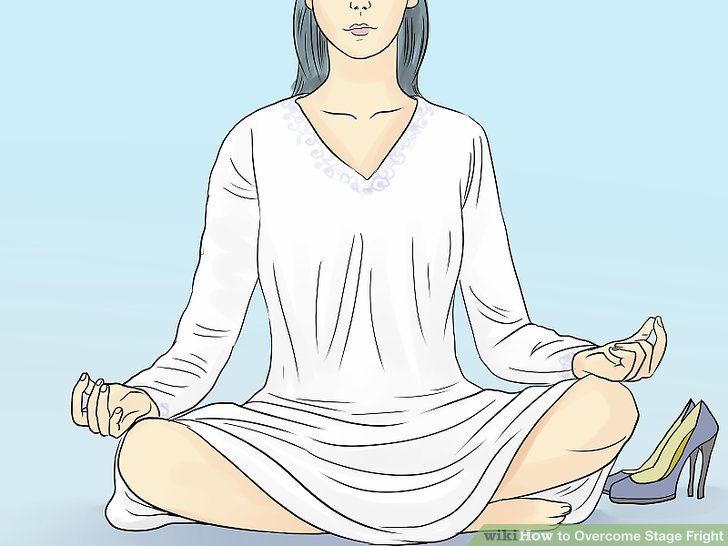
Overcoming stage fright is not a one-time fix; it requires consistent effort and a proactive approach. Developing long-term strategies fosters lasting confidence and reduces the anxiety associated with public speaking engagements. These strategies involve building a strong foundation of practice, cultivating a supportive environment, and establishing healthy coping mechanisms.
The Importance of Consistent Practice and Exposure
Regular practice is crucial for reducing stage fright. Each public speaking opportunity, whether a formal presentation or an informal conversation, provides valuable experience. Consistent exposure to speaking situations, even small ones, helps desensitize individuals to the anxiety triggers associated with public speaking. This repeated exposure gradually builds comfort and familiarity with the process, allowing individuals to become more adept at handling the inherent pressures.
Furthermore, this consistency strengthens one’s ability to manage nerves and maintain composure under pressure.
Methods for Gradually Increasing Comfort Levels
Building comfort with public speaking is a gradual process, not a sudden transformation. Begin with smaller speaking engagements, such as leading a discussion group or presenting to a smaller audience. As comfort levels increase, gradually progress to larger audiences and more complex presentations. This gradual approach allows for a more manageable and less intimidating transition, ultimately leading to a greater sense of control and mastery over the speaking process.
Individuals can also benefit from practicing in front of trusted friends or mentors, who can provide constructive feedback without judgment. This type of targeted practice will strengthen public speaking abilities and build self-assurance.
Building a Support Network
A strong support network plays a vital role in mitigating stage fright. This network can include friends, family members, mentors, or even professional coaches who can provide encouragement and understanding. Sharing experiences and anxieties with trusted individuals can create a safe space to process emotions and develop coping mechanisms. Seeking advice and support from others who have successfully navigated similar situations can also be invaluable.
A supportive network helps individuals feel less isolated and more equipped to handle the challenges associated with public speaking.
Establishing a Routine for Managing Stress and Anxiety
Developing a routine for managing stress and anxiety is essential for long-term stage fright reduction. This routine should incorporate stress-reducing activities such as exercise, meditation, deep breathing techniques, or mindfulness practices. Regular practice of these techniques can equip individuals with the tools to manage anxiety triggers effectively. Consistency in these routines will help individuals develop the self-regulation skills necessary to maintain composure before and during presentations.
Establishing a pre-performance routine can also be beneficial.
A Personalized Plan for Reducing Stage Fright Over Time
| Stage | Action Items | Expected Outcome |
|---|---|---|
| Initial Assessment | Identify specific triggers and anxieties, assess current comfort level, and define desired outcome. | Clear understanding of individual needs and goals. |
| Structured Practice | Implement gradual exposure to public speaking opportunities, practicing presentations in front of trusted individuals, and using relaxation techniques. | Increased comfort and confidence in speaking situations. |
| Building Support | Establish a support network of friends, family, or mentors. | Emotional support and encouragement during challenging situations. |
| Routine Implementation | Integrate stress-reducing activities into daily or weekly routines, such as exercise, meditation, or mindfulness. | Enhanced ability to manage stress and anxiety effectively. |
| Ongoing Monitoring and Adjustment | Regularly assess progress, identify areas needing improvement, and adjust the plan accordingly. | Sustained improvement and ongoing growth in public speaking skills. |
This personalized plan provides a structured framework for long-term reduction of stage fright. The plan is flexible and adaptable to individual needs and circumstances. Adaptability is key to ensuring success.
Illustrative Examples of Overcoming Stage Fright
Overcoming stage fright is a journey, not a destination. Many individuals, regardless of background or profession, have successfully navigated this challenge. Their experiences offer valuable insights and encouragement for those facing similar anxieties. This section presents illustrative examples of individuals who have conquered stage fright, highlighting the strategies they employed and the impact of their success.Individuals who have successfully managed stage fright often find that their experience is not isolated but rather part of a wider pattern of overcoming personal challenges.
This section will explore these examples to underscore the importance of personal strategies and the support systems available to those facing this fear.
Successful Musicians and Performers
Music and performance often involve significant public exposure, making stage fright a common experience. However, many talented musicians and performers have found ways to manage and overcome this fear. Their experiences can provide valuable insights for those in similar professions.
- A young aspiring singer, initially paralyzed by the thought of performing in front of an audience, practiced deep breathing techniques and visualization exercises. She also sought support from a mentor, who helped her build confidence through positive reinforcement and practical performance advice. Through consistent practice and a supportive environment, she gradually developed the skill to perform with composure and ease, eventually earning a significant following.
- A renowned pianist, known for his powerful performances, openly acknowledged his struggles with stage fright early in his career. He utilized meticulous preparation, practicing his pieces extensively and visualizing successful performances. He also employed relaxation techniques, such as progressive muscle relaxation, to calm his nerves before each performance. His dedication to these strategies allowed him to transform stage fright from a debilitating fear into a manageable anxiety, enabling him to connect with the audience on a deeper level and create truly impactful performances.
Public Speakers and Orators
Public speaking is another field where stage fright is prevalent. However, many effective communicators have developed strategies to manage their anxiety and deliver compelling presentations.
- A political campaign strategist, initially overwhelmed by the prospect of public speaking, discovered the importance of preparation. He meticulously researched his topic, practiced his delivery, and rehearsed his responses to potential questions. He also used visualization techniques to simulate successful presentations and focused on building confidence by actively seeking out opportunities to speak in smaller settings. This gradual approach allowed him to develop a strong command of the stage and deliver impactful messages with ease.
- A teacher, initially anxious about classroom presentations, focused on building rapport with students. She practiced active listening and prepared engaging lesson plans that fostered a sense of community. By focusing on the message and the connection with the audience, she transformed the experience from a source of anxiety into a dynamic interaction with students.
Everyday Individuals
The ability to manage stage fright isn’t limited to professionals. Everyday individuals can also learn and apply effective strategies to overcome this fear.
- A community volunteer, initially hesitant to address a group, used simple techniques to build confidence. They joined a local Toastmasters club, practicing public speaking in a supportive environment. Through consistent participation and feedback, they gained the confidence and skills necessary to confidently address the community, ultimately leading to impactful volunteer work.
Conclusive Thoughts
In conclusion, overcoming stage fright is a journey of self-discovery and practical application. By understanding the root causes, employing immediate relief techniques, and building long-term strategies, you can significantly reduce anxiety and enhance your performance. Remember that consistent practice and a positive mindset are key to lasting success.