Crafting a compelling speech that resonates with the audience is a multifaceted endeavor. This guide delves into the key elements for achieving audience engagement, exploring various strategies from understanding audience needs to incorporating interactive elements. From the nuances of storytelling to the power of visual aids, this comprehensive approach equips speakers with the tools to connect with their listeners on a deeper level.
Effective communication is not merely about delivering information, but about creating an experience that fosters understanding and lasting impact. This exploration of “How to Engage Audience During Speech” provides practical techniques to achieve this crucial goal.
Understanding Audience Needs
Effective communication hinges on understanding the audience. A speaker who takes the time to comprehend their listeners’ needs and expectations is far more likely to connect with them and leave a lasting impact. This section delves into the critical factors influencing audience engagement and provides practical methods for tailoring a speech to resonate with a specific target audience.Understanding the diverse needs and backgrounds of an audience is essential for crafting a compelling and engaging speech.
This understanding goes beyond simply knowing the general demographic; it requires an in-depth analysis of factors such as age, background, interests, and prior knowledge.
Factors Influencing Audience Engagement
A speaker’s ability to connect with an audience depends heavily on their awareness of the factors influencing engagement. These factors range from the readily apparent to the more nuanced, impacting everything from tone and content to delivery and interaction.
- Age: Younger audiences often respond well to dynamic presentations with humor and relatable examples, while older audiences might prefer more structured, informative formats. A presentation for teenagers might incorporate social media references and current pop culture, while one for retirees could focus on personal stories and shared experiences.
- Background: Understanding the audience’s professional background, educational level, and cultural context is crucial. A presentation for business executives will likely require a different approach than one for students. Consider tailoring language, technical terms, and examples to the audience’s experience level.
- Interests: Knowing the interests of the audience allows for the integration of engaging topics that resonate with their passions. For example, a presentation on sustainable living will likely capture the attention of environmentally conscious individuals more effectively.
- Prior Knowledge: Adjusting the presentation based on the audience’s existing knowledge is critical. A presentation to experts in a field will require a different level of detail than one to a general audience. Presenting introductory information and complex concepts in an accessible way can ensure engagement.
Methods for Identifying Audience Needs
Identifying audience needs and expectations is a proactive step in planning a successful speech. It’s not simply about guessing; it’s about actively seeking information to tailor the speech to the specific audience.
- Audience Research: Utilize available data on the audience demographic to understand their background, interests, and expectations. Publicly available information, such as census data or social media trends, can provide valuable insights. Look for recurring patterns or themes to identify commonalities and differences.
- Surveys: Creating and distributing a survey can be a direct way to gather specific insights into the audience’s preferences and anticipate potential engagement challenges. The survey should ask open-ended questions, encouraging detailed responses. Questions regarding prior knowledge, preferred presentation styles, and any potential concerns are helpful.
- Focus Groups: Focus groups can provide in-depth insights into the audience’s perspectives and opinions. This method allows for detailed interaction and clarification of complex issues. The discussions provide a nuanced understanding of the target audience’s needs and expectations.
Adapting Tone and Content
Tailoring the speech’s tone and content based on the audience’s demographics and interests enhances engagement and connection. It’s about speaking in a way that resonates with the audience, not just about the speaker’s preferred style.
- Language: Choose language appropriate for the audience’s background and knowledge level. Avoid jargon or overly technical terms that might alienate listeners.
- Examples: Illustrate points with examples that are relatable and relevant to the audience’s experiences. This helps them connect with the information on a personal level.
- Presentation Style: Adapt the presentation style to match the audience’s preferences. A dynamic and engaging presentation might be more effective for a younger audience, while a structured and informative approach might work better for a more mature audience.
Sample Survey
A well-designed survey can help gauge audience preferences and anticipate potential engagement challenges. This section presents a sample survey design.
| Question | Type | Purpose |
|---|---|---|
| What is your age range? | Multiple Choice | Determine age demographics |
| What is your professional background? | Multiple Choice | Gauge professional experience |
| What are your primary interests related to the topic? | Open-ended | Identify areas of interest |
| What is your prior knowledge of the topic? | Rating Scale | Assess pre-existing understanding |
| What is your preferred learning style? | Multiple Choice | Determine presentation preferences |
Creating Engaging Content

Crafting a speech that captivates and resonates with the audience requires careful planning and execution. Effective communication goes beyond simply conveying information; it involves engaging the audience emotionally and intellectually. This necessitates a strategic approach to content structure, storytelling, and the incorporation of relatable examples and humor. By understanding these elements, speakers can transform a presentation from a passive listening experience to an active and memorable engagement.
Structuring a Speech for Attention
A well-structured speech maintains audience attention by guiding them through a clear narrative arc. The introduction should immediately capture their interest, setting the stage for the main points. The body of the speech should logically develop the argument, using transitions to smoothly connect ideas. A strong conclusion summarizes the key takeaways and leaves a lasting impression. Effective transitions and signposts are crucial for ensuring a smooth flow, preventing the audience from feeling lost or disoriented.
Employing visual aids strategically can enhance understanding and reinforce key messages, improving overall comprehension.
Storytelling Techniques
Different storytelling techniques offer varying degrees of impact. Anecdotes, for instance, often connect with the audience on a personal level, making the message more relatable. Using metaphors can create vivid imagery and simplify complex ideas, making them easier to understand. Personal stories can create a powerful emotional connection, enabling the audience to connect with the speaker on a more human level.
By choosing the right storytelling technique, speakers can tailor their delivery to resonate with the specific audience and topic. Effective use of storytelling requires selecting the most suitable method for the specific context.
Key Elements of a Captivating Narrative
A captivating narrative hinges on a few key elements. Conflict creates tension and interest, prompting the audience to anticipate the outcome. Suspense builds anticipation, keeping the audience engaged and eager to learn more. A well-defined resolution provides closure and allows the audience to reflect on the message. Integrating these elements skillfully can make a presentation more engaging and memorable.
A well-constructed narrative will not only entertain but also leave a lasting impact.
Incorporating Examples and Stories
Using relevant examples, anecdotes, and real-life stories enriches the speech and makes it more relatable. These examples provide concrete illustrations of abstract concepts, ensuring the audience understands the message on a deeper level. Anecdotes create a personal connection, allowing the audience to visualize the impact of the message in their own lives. Real-life stories illustrate the practical application of the information, making it more meaningful.
Carefully selected and integrated examples make the presentation memorable and relatable.
The Role of Humor and Wit
Humor can be a powerful tool for engaging the audience. It can make a presentation more enjoyable and memorable. However, it must be used judiciously, ensuring it aligns with the overall tone and message. Witty remarks can lighten the mood and create a more positive atmosphere, enhancing the speaker’s credibility. When used appropriately, humor can create a more engaging experience for the audience.
Presenting Complex Information
Presenting complex information requires a thoughtful approach. Breaking down complex ideas into smaller, digestible segments allows the audience to grasp the information more effectively. Employing visual aids, such as charts or diagrams, can further simplify intricate data. Using analogies and metaphors to illustrate complex ideas can also help to clarify difficult concepts. By presenting information in a digestible format, the speaker can improve the audience’s understanding and retention.
Common Pitfalls to Avoid
One common pitfall is rambling or digressing from the main topic. Staying focused and maintaining a clear structure is essential. Another pitfall is delivering a monotone presentation, making the speech uninteresting. Varying tone, pace, and volume can make the speech more engaging. Avoid using jargon or technical terms that the audience may not understand.
Finally, failing to connect with the audience can lead to a lack of engagement. Making eye contact and speaking with enthusiasm are vital for connecting with the audience.
Using Visual Aids Effectively

Visual aids are powerful tools that can significantly enhance audience engagement and comprehension during a speech. They can transform abstract concepts into tangible representations, making the message more memorable and impactful. Effective use of visuals goes beyond simple decoration; they actively participate in conveying the speaker’s message, highlighting key points, and fostering deeper audience understanding.Visual aids, carefully crafted and strategically integrated, can dramatically increase the audience’s retention of information and improve their overall experience.
They act as a visual narrative, reinforcing the verbal message and creating a more immersive and memorable presentation. Proper selection and implementation of visuals ensure the audience is not just listening, but actively engaging with the material.
Creating Impactful Visual Aids
Effective visual aids are not merely decorative elements; they are crucial tools for enhancing audience understanding and retention. Visuals must be designed with a clear understanding of the audience’s needs and the specific message being conveyed. They should support, not distract from, the speech. Simple, clear designs are key, with concise text and impactful imagery. The use of a consistent design language across all slides helps create a cohesive presentation.
Types of Visual Aids and Their Applications
Visual aids come in a wide variety of forms, each with its own strengths and weaknesses. Choosing the right type of visual aid depends on the content of the speech and the desired effect.
- Slides: Slides are a common and versatile visual aid. They can effectively present information, data, and key ideas. A well-designed slide deck should include high-quality images, charts, graphs, and concise text. For example, a presentation on sales figures could use a bar graph to visually represent the growth of a company. Using a consistent font and color scheme for all slides helps maintain a professional and organized appearance.
Slides should not be overcrowded with text, and the content should be easily readable from a distance.
- Videos: Videos can be an engaging way to illustrate concepts, demonstrate processes, or share stories. Short, impactful videos that directly relate to the speech’s themes can add depth and interest. For instance, a presentation on a new product launch could incorporate a short video showcasing its features and benefits.
- Props: Physical props can bring a speech to life and provide a tangible connection with the audience. For example, a presentation about a new product design could include the physical product prototype to showcase its features. Props must be relevant to the topic and used thoughtfully to avoid unnecessary distractions.
Avoiding Visual Overload and Distractions
Visual aids should enhance, not overwhelm, the audience. Overloaded slides with too much text, complicated charts, or irrelevant images can lead to confusion and distraction. Visuals should be strategically chosen to support the spoken message, not to replace it.
- Keeping visuals simple and clear: Using high-quality images, clear fonts, and concise text will ensure that the audience can easily grasp the information presented. Avoid overly complex graphics or images that are difficult to interpret. Ensure that all text and images are legible from a distance.
- Maintaining visual consistency: Using a consistent color scheme, font, and layout for all slides creates a professional and cohesive presentation. This consistency helps the audience focus on the content, not the design elements.
- Using visuals to highlight key points: Highlighting key points through visual cues, such as bold text, color changes, or arrows, ensures that the audience’s attention is drawn to the most important information. For instance, a presentation about problem-solving can use arrows to highlight the steps involved in the process.
Using Visuals to Create Memorable Images
Visual aids can significantly enhance audience engagement and understanding. They create a lasting impression that helps audiences recall the message long after the presentation ends. A well-chosen visual can instantly convey complex ideas, making the information more relatable and impactful.
| Visual Aid Type | Appropriate Applications |
|---|---|
| Slides | Presenting data, statistics, key concepts, timelines, or processes |
| Videos | Illustrating concepts, demonstrating procedures, showcasing products, or sharing stories |
| Props | Demonstrating tangible objects, showcasing physical prototypes, or reinforcing concrete examples |
Encouraging Audience Participation
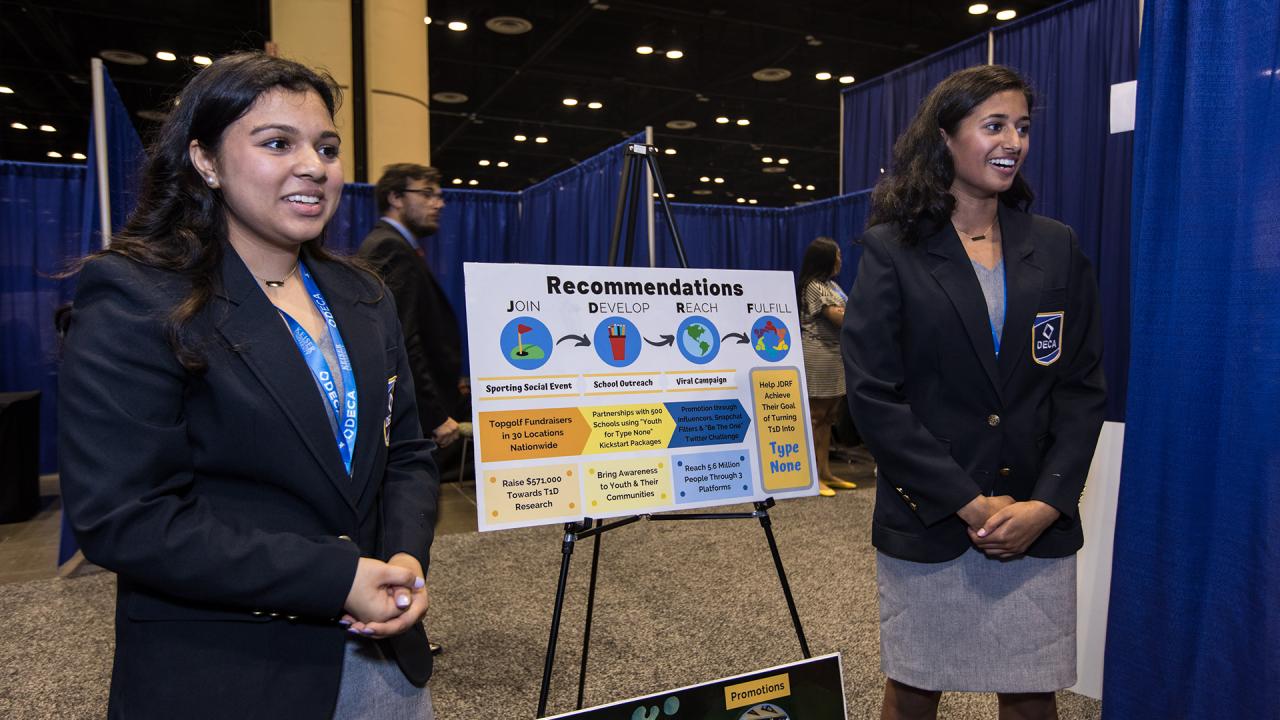
Enhancing audience engagement during a speech is crucial for fostering a dynamic and memorable experience. Effective audience participation techniques can transform a passive listening session into an active learning environment, increasing comprehension and retention. This section will explore methods for integrating audience interaction, evaluating their effectiveness, and ensuring a supportive atmosphere for all participants.
Methods for Incorporating Audience Interaction
Various methods can be used to encourage audience interaction. These range from simple questions to more complex activities. Careful consideration of the audience and the specific goals of the speech is vital for choosing the right approach.
- Questions: Simple questions posed throughout the speech can keep the audience engaged and actively thinking about the topic. Open-ended questions, encouraging varied perspectives, are often more effective than yes/no questions. For example, asking “What are your thoughts on X?” can spark insightful discussion, whereas “Do you agree with X?” might limit responses.
- Polls and Quizzes: Interactive polls and short quizzes can gauge audience understanding and provide real-time feedback. Tools like online polling platforms can facilitate quick and easy responses. Using the results of polls during the speech can provide a visual representation of audience opinion and adjust the speech accordingly.
- Discussions and Q&A Sessions: Structured discussions or dedicated Q&A sessions allow for deeper engagement and allow the speaker to address specific concerns or interests. Providing clear guidelines for the discussion can prevent it from becoming disorganized. Moderating discussions helps to ensure that everyone has a chance to participate.
- Group Activities: Group activities, such as brainstorming sessions or problem-solving exercises, can be particularly effective in fostering collaborative learning. These activities can be structured around a specific question or prompt related to the speech topic.
Comparing the Effectiveness of Participation Techniques
The effectiveness of various audience participation techniques depends on several factors, including the audience’s familiarity with the topic, the speaker’s communication style, and the overall atmosphere of the presentation. For example, a highly technical topic might benefit from a Q&A session, while a more engaging topic might benefit from polls or quizzes.
- Simple Questions: Effective for keeping the audience engaged, but might not elicit a lot of in-depth responses. Their impact is often dependent on the quality and relevance of the questions.
- Polls and Quizzes: Excellent for gauging immediate audience understanding and for adapting the presentation based on real-time feedback. However, they may not provide a comprehensive understanding of the audience’s diverse viewpoints.
- Discussions: Can lead to rich insights and deeper understanding, but require careful moderation to ensure inclusivity and prevent domination by a few voices. The level of engagement depends significantly on the topic and the audience.
- Group Activities: Highly engaging, fostering collaborative learning, but may not be suitable for all topics or all audiences. Preparation time for these activities is crucial for success.
Creating a Safe and Inclusive Environment
Establishing a safe and inclusive environment is paramount for successful audience participation. Respectful communication and clear guidelines are crucial for encouraging everyone to contribute without fear of judgment or discrimination.
- Setting Ground Rules: Establishing clear guidelines for participation—like encouraging respectful communication and addressing only one person at a time during Q&A—helps maintain a constructive atmosphere. This includes explicitly stating that all perspectives are valued and welcomed.
- Active Listening: Encouraging active listening, especially during discussions, ensures that all voices are heard and understood. Creating an environment where all opinions are valued is crucial for success.
- Addressing Diversity: Speakers should consider the diverse backgrounds and perspectives of the audience and tailor the engagement techniques to be inclusive. This might involve asking questions in different ways or offering options for responses to cater to different learning styles.
Handling Unexpected or Challenging Questions
Unexpected or challenging questions can arise during Q&A sessions. These should be treated as opportunities to demonstrate composure and expertise.
- Listening and Understanding: Carefully listening to the question and attempting to understand the underlying concern is paramount. Avoid interrupting or becoming defensive.
- Responding with Clarity: Responding clearly and concisely, while acknowledging the questioner’s perspective, is important. If necessary, admit when the speaker does not have an immediate answer and offer to follow up later.
- Reframing or Redirecting: If the question is too broad or inappropriate, rephrase it or redirect it to a more relevant aspect of the discussion. Remain respectful and professional.
Structuring Interactive Segments
Strategic placement of interactive segments within the speech is key to maximizing engagement. These segments should be integrated seamlessly into the overall flow of the presentation.
- Natural Integration: Interactive segments should be seamlessly woven into the presentation, rather than appearing as separate entities. Questions or polls should relate directly to the content being discussed.
- Building Anticipation: Creating anticipation for interactive segments can enhance engagement. Providing context or introducing the purpose of the segment can make it more effective.
- Balancing Participation: Ensuring that different audience members have opportunities to participate can maintain interest and prevent domination by a few. Strategies to achieve this balance should be considered.
Building Rapport and Connection
Establishing a strong connection with your audience is crucial for a successful speech. It fosters trust, engagement, and ultimately, a more memorable experience for everyone involved. This connection goes beyond simply delivering information; it involves creating a shared experience and understanding between speaker and listener.Building rapport involves actively engaging with the audience, not just talking
- at* them, but talking
- with* them. This requires understanding and adapting to the audience’s needs and emotional responses. Effective strategies for establishing this connection involve careful attention to both verbal and nonverbal communication.
Strategies for Establishing Connection
Building a strong connection relies on several key strategies. These strategies are not simply tricks, but essential elements of effective communication that create a positive and productive environment for the speaker and the audience. Creating a genuine connection with your audience will make your speech more engaging and memorable.
- Making Eye Contact: Maintaining appropriate eye contact with individuals within the audience creates a sense of personal connection. This conveys attentiveness and engagement. Varying the gaze across the room helps to create a sense of inclusivity and allows for a connection with different segments of the audience.
- Using Body Language Effectively: Open and confident body language, such as a relaxed posture, gestures that emphasize points, and a genuine smile, communicates engagement and enthusiasm. Mirroring some of the audience’s body language, when appropriate and subtle, can also foster a connection.
- Vocal Delivery: A clear and engaging tone of voice, appropriate pacing, and varied vocal inflections can enhance audience engagement and create a more dynamic presentation. Adjusting the volume and tone to emphasize key points and create emotional impact is critical.
Creating Trust and Credibility
Demonstrating expertise and trustworthiness is essential for building rapport and connection with the audience. Authenticity and sincerity are key elements in conveying credibility.
- Expertise and Knowledge: Presenting information with confidence and accuracy demonstrates expertise in the subject matter. Support claims with evidence and credible sources to build trust and show a deep understanding of the topic.
- Sincerity and Honesty: Delivering a speech with sincerity and honesty fosters trust. Avoid exaggerated claims or misleading statements, and be transparent in your approach. A genuine connection with the audience is best achieved when the speaker is sincere.
- Personal Anecdotes: Sharing relevant personal experiences, when appropriate, can create a sense of relatability and strengthen the connection with the audience. These anecdotes should be authentic and add value to the message.
Adapting to Audience Emotional Responses
Understanding and responding to the audience’s emotional reactions is vital for building rapport. A speaker should be aware of their own emotional state and the possible emotional responses of the audience to certain topics or statements.
- Empathy and Sensitivity: Demonstrate empathy by acknowledging the emotions of the audience. Recognize the potential for various emotional responses and adapt the speech accordingly. Be mindful of the sensitivities of the audience and tailor the language accordingly.
- Adjusting Tone and Content: Adjust the tone and content of the speech based on the emotional responses of the audience. A lighter tone might be appropriate for a more receptive audience, whereas a more serious tone might be necessary if the audience is responding with concern or skepticism.
Connecting with the Audience on a Personal Level
Connecting with the audience on a personal level requires a deeper understanding of the shared experiences, values, and concerns that unite them. Personal connections create a deeper level of engagement and retention.
- Shared Experiences: Referencing shared experiences or values can help to create a sense of community and connection. Finding common ground with the audience through shared experiences, backgrounds, or interests will increase audience engagement and create a more positive and effective experience.
- Active Listening: Active listening is critical to understand the needs and concerns of the audience. Paying close attention to audience reactions and adjusting the speech based on these reactions will enhance the connection and build trust.
Active Listening
Active listening during the speech and audience interaction is critical to understanding the audience’s needs and perspectives. It is an essential part of fostering a strong rapport. Through active listening, speakers can tailor their communication to resonate more effectively with their audience.
- During the Speech: Paying close attention to audience reactions and adjusting the speech accordingly. Recognizing nonverbal cues and adjusting the message in response can increase audience engagement and comprehension. Active listening during the speech allows for better audience engagement and retention.
- During Audience Interaction: Active listening during audience interaction allows for a deeper understanding of the concerns, questions, and needs of the audience. This interaction creates a more intimate and meaningful experience for all involved.
Handling Potential Challenges

Delivering a captivating speech requires anticipating and addressing potential obstacles. Understanding likely challenges allows for proactive strategies and a more confident delivery, ultimately enhancing the audience’s engagement. This section explores common pitfalls and effective methods to overcome them, ensuring a positive and enthusiastic presentation, regardless of unexpected events.
Common Audience Engagement Challenges
Predicting and preparing for potential distractions and lack of interest from the audience is crucial for a successful speech. Understanding these common challenges allows for proactive strategies to maintain audience engagement. Identifying these issues enables the speaker to craft a more resilient and adaptable approach to the presentation.
- Distractions:
- External factors, such as loud noises, technical difficulties, or interruptions, can divert audience attention. Speakers should consider the environment, anticipate potential issues, and have backup plans in place to address these disturbances effectively.
- Internal factors, such as audience members’ personal concerns or daydreams, are also potential distractions. The speaker can employ techniques like engaging questions, storytelling, or humor to refocus attention and maintain a connection with the audience.
- Lack of Interest:
- A lack of interest in the topic or delivery style can hinder audience engagement. A speaker can address this by connecting the topic to the audience’s interests, providing relevant examples, and utilizing various communication methods to keep the information dynamic and interesting.
- Speaker’s anxiety or nervousness can also manifest as a lack of audience interest. A prepared and confident speaker can maintain a positive and enthusiastic demeanor to transmit confidence and enthusiasm to the audience.
Addressing Challenges Proactively
Proactive measures are vital in minimizing the impact of potential challenges. Planning for various scenarios, from mild disruptions to major setbacks, allows the speaker to maintain composure and adapt to changing circumstances.
- Backup Plans:
- Having backup plans for technical issues, such as a prepared presentation backup or alternative visuals, can maintain a smooth flow during the speech.
- Anticipating potential distractions, such as arranging the seating arrangement or managing the room’s acoustics, can mitigate their impact.
- Engagement Techniques:
- Using interactive elements like polls, questions, or short activities can keep the audience actively involved and interested.
- Varying the presentation style, such as using different tones, incorporating anecdotes, or employing visual aids, can maintain audience interest and avoid monotony.
Maintaining Enthusiasm and Positivity
Maintaining a positive and enthusiastic demeanor is critical for connecting with the audience and conveying confidence. A speaker’s energy directly influences the audience’s receptiveness.
- Confidence Building:
- Thorough preparation and practice can significantly enhance the speaker’s confidence, enabling them to project enthusiasm and engage the audience more effectively.
- Positive Body Language:
- Open posture, eye contact, and animated gestures can help convey confidence and enthusiasm to the audience.
- Empathy and Passion:
- Connecting with the audience on an emotional level through empathy and passion for the topic can significantly boost the speaker’s enthusiasm and inspire the audience to feel the same energy.
Adapting to Real-Time Feedback
Continuously monitoring audience feedback and adjusting the speech accordingly is crucial. This real-time adaptation allows the speaker to tailor the presentation to the audience’s needs and maintain their engagement.
- Observational Skills:
- Paying close attention to nonverbal cues, such as facial expressions, body language, and reactions to the content, can provide valuable insights into the audience’s engagement level.
- Responsiveness:
- Adjusting the pace, tone, and content based on the audience’s feedback ensures the speaker maintains a connection and adjusts to their needs.
- Flexibility:
- Being flexible and adaptable allows the speaker to incorporate audience feedback and maintain a strong connection with the audience.
Managing Unexpected Situations
Unexpected situations can arise during a presentation. The ability to remain composed and respond appropriately is crucial.
- Preparedness:
- Having a plan B or contingency plan in place for unexpected situations can help manage the impact and maintain composure.
- Problem Solving:
- Quickly assessing the situation and devising a solution in real-time allows the speaker to address the issue effectively and continue the presentation.
- Professionalism:
- Maintaining a professional and composed demeanor during unexpected situations can prevent the situation from escalating and maintain the presentation’s focus.
Analyzing and Improving Delivery
Delivering a speech effectively involves more than just crafting compelling content. A significant component of success lies in adapting your delivery style to resonate with the audience. This involves analyzing your performance, understanding audience reactions, and incorporating feedback to refine future presentations. A thoughtful approach to self-reflection and improvement is crucial for achieving optimal audience engagement.Analyzing your speech performance requires a structured approach, moving beyond simple self-evaluation.
Understanding audience responses and implementing feedback are key steps in refining your delivery. This section details strategies for achieving effective speech delivery.
Evaluating Speech Effectiveness
Evaluating the effectiveness of a speech in engaging the audience involves observing multiple facets. Consider the audience’s nonverbal cues such as posture, eye contact, and facial expressions. Did they appear attentive, interested, and responsive? Note the level of interaction and engagement displayed during the speech. Were there instances of nodding, smiling, or other positive cues?
Analyzing Audience Reactions and Feedback
Gathering audience feedback is critical for understanding the impact of your delivery. Solicit immediate feedback through surveys or informal discussions. Ask for specific examples of what resonated with the audience and what could have been improved. Observe the overall atmosphere during the presentation, paying attention to the overall energy level and engagement. If the audience appears disengaged, the delivery may need adjustment.
Furthermore, paying attention to questions or comments following the speech provides valuable insights into how your message was received.
Self-Reflection Structure for Improvement
A structured self-reflection process can pinpoint areas for improvement. Create a checklist or a table categorizing aspects of your delivery. For example, note your pacing, tone of voice, use of gestures, eye contact, and body language. Rate each aspect based on a scale, e.g., 1-5, with 5 being excellent. Be honest and objective in your assessment.
This framework helps to identify patterns and areas requiring improvement.
Incorporating Feedback into Future Speech Preparation
Incorporating feedback into future speech preparation requires a proactive approach. Prioritize feedback categories based on the most significant impact on audience engagement. For example, if audience members consistently noted a lack of clarity in your explanations, focus on improving your articulation and providing more illustrative examples. Refine your presentation structure to address identified weaknesses. Practice delivery to solidify these improvements.
Examples of Delivery Adjustments
Adjustments in delivery can significantly enhance audience engagement. If your pacing was too fast, slowing down and adding pauses can improve clarity and comprehension. Varying your tone of voice can create dynamism and maintain audience interest. Incorporating more gestures can enhance your message’s impact, provided they are natural and appropriate. For example, consider incorporating a story to connect with the audience on an emotional level.
If your speech felt monotonous, incorporating anecdotes or humor, where appropriate, can significantly enhance engagement.
Wrap-Up
In conclusion, engaging an audience during a speech is a dynamic process requiring careful consideration of various factors. From understanding the audience’s needs and tailoring content accordingly to using effective visual aids and encouraging audience participation, this guide highlights the critical components of successful communication. By mastering these techniques and remaining adaptable to audience responses, speakers can transform their presentations into truly memorable experiences.
The key takeaway is a nuanced approach that combines strategic planning with a flexible mindset to maximize audience connection and impact.