Unlock the power of confident communication in your daily interactions. This guide delves into the core principles of confidence, identifying barriers, and providing practical strategies for enhancing your communication skills. From understanding the nuances of body language to handling challenging conversations, you’ll discover actionable techniques to project self-assurance and poise in every situation.
Building confidence in daily life is not about becoming someone you’re not, but rather about recognizing and leveraging your existing strengths. This comprehensive guide empowers you to identify your confidence barriers, understand how they affect your communication, and equip you with effective strategies to overcome them. By focusing on both internal and external factors, you’ll be better equipped to communicate with clarity, conviction, and respect.
Understanding Confidence

Confidence, a cornerstone of effective communication, is not merely a trait but a complex interplay of self-perception, behavior, and how others perceive us. It’s the belief in one’s abilities and the courage to express oneself authentically. A confident individual approaches daily interactions with a sense of self-assuredness and poise, fostering stronger connections and achieving greater success.Understanding confidence involves recognizing its multifaceted nature and how it manifests in different situations.
It’s about more than just appearing self-assured; it encompasses a range of qualities that influence how we interact with others. This section delves into the core concepts of confidence, its various facets, and how it’s perceived in daily interactions.
Core Concepts of Confidence
Confidence in daily interactions is built on a foundation of self-belief and a positive self-image. It’s not about arrogance but rather a realistic assessment of one’s capabilities coupled with the willingness to take calculated risks and express oneself clearly and respectfully. This includes recognizing and accepting one’s strengths and weaknesses without judgment. A strong sense of self-worth underpins genuine confidence.
Facets of Confidence
Confidence manifests in several key facets. Self-assurance is the unwavering belief in one’s abilities and judgment. Poise is the composure and grace exhibited in various social situations. Assertiveness is the ability to express one’s needs and opinions clearly and respectfully without being aggressive or passive. These facets often overlap and work together to create a strong and positive impression.
Perception of Confidence by Others
Confidence is not just about internal feelings; it’s also about how others perceive it. Individuals perceived as confident often inspire trust, respect, and admiration. They appear approachable and reliable. This perception is often influenced by nonverbal cues, such as body language, tone of voice, and the clarity of communication. Confident individuals generally project an image of competence and control.
Confidence and Body Language
Body language plays a crucial role in projecting confidence. Open posture, maintaining eye contact, and a firm handshake are all nonverbal cues that convey confidence. Conversely, slumped posture, avoiding eye contact, and fidgeting can signal a lack of confidence. These nonverbal cues significantly influence how others perceive us.
Impact of Confidence on Communication
| Aspect of Confidence | Description | Impact on Communication | Example |
|---|---|---|---|
| Self-Assurance | Unwavering belief in one’s abilities | Clear and concise communication; comfortable expressing opinions | Presenting a well-researched project confidently |
| Poise | Composure and grace in social situations | Calm and collected demeanor; handles challenges with composure | Responding calmly to criticism during a meeting |
| Assertiveness | Expressing needs and opinions respectfully | Effective negotiation; clear boundaries | Respectfully voicing concerns in a team discussion |
| Body Language | Nonverbal cues | Projecting an image of competence; building trust | Maintaining eye contact and using open posture |
Confident vs. Unconfident Communication Styles
Confident communication involves clear articulation, active listening, and a respectful tone. It often involves expressing opinions, asking clarifying questions, and engaging in discussions without hesitation. In contrast, unconfident communication may involve mumbling, avoiding eye contact, speaking softly, and struggling to express thoughts or opinions. The difference in communication styles can be observed in various everyday scenarios, such as a job interview, a team meeting, or a social gathering.For example, during a job interview, a confident candidate would articulate their skills and experiences clearly and concisely, while an unconfident candidate might hesitate or stumble over their words.
In a team meeting, a confident team member would voice their ideas assertively, whereas an unconfident team member might remain silent. Similarly, in social gatherings, a confident individual engages in conversations with ease and enthusiasm, whereas an unconfident individual might appear withdrawn or hesitant.
Identifying Confidence Barriers

Cultivating confidence in daily interactions is a multifaceted process. Understanding the obstacles that impede our self-assurance is crucial for effective personal development. Recognizing these barriers allows us to implement targeted strategies for overcoming them and fostering a more positive self-image.Common obstacles often stem from deeply ingrained patterns of thought and behavior, shaped by past experiences and internal dialogues.
Addressing these underlying factors is key to building lasting confidence.
Common Obstacles to Confidence in Daily Conversations
Various factors can hinder confidence during everyday conversations. These range from anxieties about judgment to past negative experiences. Understanding these obstacles is the first step toward developing effective strategies to overcome them.
- Past Experiences: Negative experiences, whether social or personal, can create lasting anxieties and self-doubts. These experiences may have shaped perceptions of oneself and others, leading to a hesitancy to engage in conversations. For example, a childhood incident where a child was ridiculed for expressing an opinion could lead to a fear of speaking up in adulthood.
- Negative Self-Talk: Internal critical voices can undermine confidence by constantly questioning one’s worth and abilities. This negative self-talk often takes the form of pessimistic thoughts and predictions about the outcome of interactions. For instance, an individual might anticipate being judged negatively and therefore avoid social situations.
- Fear of Judgment or Criticism: The fear of being judged or criticized can significantly limit communication. This fear stems from a desire to avoid potential embarrassment or disapproval from others. Individuals might hold back from expressing opinions or sharing ideas due to apprehension about the potential reactions of others.
- Low Self-Esteem: Low self-esteem often manifests as a lack of confidence. Individuals with low self-esteem may struggle to believe in their abilities and worth, hindering their ability to engage in conversations with assurance. This can lead to avoidance of social situations and a general lack of assertiveness.
- Social Anxiety: Social anxiety can significantly impact daily interactions and confidence levels. It involves a persistent fear of social situations and a feeling of being watched or judged. This fear can manifest as physical symptoms like sweating or a rapid heartbeat, which further exacerbate feelings of inadequacy.
Strategies for Overcoming Confidence Barriers
Addressing confidence barriers requires proactive strategies that focus on reframing negative thoughts and building a more positive self-image. The following table illustrates some common confidence barriers and strategies for overcoming them.
| Confidence Barrier | Description | Example | Strategies to Overcome |
|---|---|---|---|
| Past Negative Experiences | Past negative experiences can create lasting anxieties and self-doubts. | A person might avoid public speaking due to a past experience of being ridiculed. | Challenge negative thoughts, seek support from trusted individuals, and focus on personal growth. |
| Negative Self-Talk | Internal critical voices can undermine confidence. | A person might tell themselves they are not good enough before a conversation. | Practice self-compassion, identify and challenge negative thoughts, and replace them with positive affirmations. |
| Fear of Judgment | Fear of being judged or criticized can limit communication. | A person might hesitate to share their opinion in a meeting due to fear of others’ disapproval. | Recognize that everyone makes mistakes, practice self-acceptance, and focus on the value of one’s contributions. |
| Low Self-Esteem | Low self-esteem often hinders confidence. | A person might doubt their abilities and avoid challenging situations. | Focus on personal strengths, set achievable goals, and celebrate small victories. Seek professional guidance for deeper self-esteem issues. |
| Social Anxiety | Social anxiety impacts daily interactions. | A person might avoid social gatherings due to fear of judgment. | Practice relaxation techniques, challenge negative thoughts, and gradually expose oneself to social situations. Seek professional help for severe anxiety. |
Building Confidence in Communication
Cultivating confidence in communication is a crucial aspect of personal and professional success. It empowers individuals to express their thoughts and ideas effectively, build stronger relationships, and navigate various social situations with assurance. This section will explore practical strategies for enhancing communication confidence, focusing on self-awareness, managing negative self-talk, and mastering active listening.Effective communication relies on a blend of self-assurance and the ability to connect with others.
By understanding and applying the techniques presented here, individuals can significantly improve their communication skills and foster a more confident approach to daily interactions.
Strategies for Enhancing Communication Confidence
Developing confidence in communication involves a multifaceted approach. It’s not about becoming someone you’re not, but rather about leveraging your strengths and addressing areas needing improvement. A key element is recognizing your inherent strengths and leveraging them during interactions.
- Identify and Leverage Strengths: Reflect on past conversations where you felt particularly comfortable or successful. What aspects of those interactions contributed to your confidence? Were you clear and concise? Did you listen attentively to others? Pinpointing these strengths can provide a foundation for building upon in future interactions.
For example, if you excel at explaining complex ideas, focus on presenting your points clearly and concisely in meetings or discussions.
- Practice Active Listening: Active listening goes beyond simply hearing words. It involves paying close attention to both verbal and nonverbal cues, asking clarifying questions, and demonstrating empathy. This active engagement fosters a sense of connection and respect, making you a more engaging and confident communicator.
- Manage Negative Self-Talk: Negative self-talk can significantly undermine confidence. Become aware of these negative thoughts and challenge their validity. Replace negative statements with positive affirmations. For example, instead of thinking “I’m going to mess this up,” try “I’ve prepared well, and I can handle this conversation.”
Methods for Improving Self-Awareness
Understanding your communication style and its impact on others is paramount to building confidence. Self-awareness allows you to adapt your approach based on the situation and the individuals involved.
- Observe Your Body Language: Nonverbal cues often convey more than words. Pay attention to your posture, gestures, and facial expressions. Are you open and approachable, or closed off? Adjusting your body language can significantly impact how you are perceived.
- Seek Feedback from Others: Request constructive feedback from trusted friends, colleagues, or mentors. Be open to their insights and use this feedback to identify areas for improvement. Focus on the specific behaviors or actions that can be modified for increased effectiveness.
- Recognize Your Communication Style: Are you introspective, or more extroverted? Understanding your communication style allows you to communicate more effectively in different situations. For instance, introverted individuals may find it beneficial to prepare their thoughts beforehand, while extroverts might benefit from actively engaging in the conversation.
Assertive Communication Techniques
Assertive communication is a crucial aspect of confidence. It involves expressing your thoughts and feelings clearly and respectfully, without being aggressive or passive.
- Express Your Needs Clearly: Clearly state your needs and expectations in a respectful and straightforward manner. This builds trust and fosters mutual understanding.
- Set Boundaries: Define your boundaries and communicate them effectively to others. This helps you maintain control over your interactions and prevents you from feeling overwhelmed or taken advantage of.
- Manage Disagreements Constructively: Handle disagreements calmly and respectfully, focusing on finding solutions that benefit all parties involved. Avoid personal attacks and maintain a professional tone.
Comparison of Confidence-Building Methods
| Method | Description | Strategies | Effectiveness |
|---|---|---|---|
| Identifying Strengths | Leveraging personal talents | Self-reflection, identifying past successes | High, builds intrinsic motivation |
| Active Listening | Empathetic engagement | Paying attention, clarifying questions | High, fosters connection and understanding |
| Positive Affirmations | Replacing negative thoughts | Consciously replacing negative self-talk | Moderate, requires consistent practice |
| Assertive Communication | Clear and respectful expression | Clearly stating needs, setting boundaries | High, promotes mutual respect |
Improving Body Language
Projecting confidence extends beyond verbal communication; it encompasses the subtle yet powerful language of our bodies. Understanding and effectively utilizing body language can significantly enhance how others perceive us, fostering a more positive and confident impression. This section delves into the critical role of posture, eye contact, hand gestures, and facial expressions in communicating confidence.Body language is a powerful tool for conveying confidence and impacting how others perceive us.
Consciously shaping our non-verbal cues can greatly enhance our communication and personal interactions, leading to more successful and impactful interactions in daily life.
Posture and Its Impact
Maintaining good posture communicates confidence, alertness, and respect. Slouching, on the other hand, can project insecurity and lack of engagement. Maintaining an upright posture, with shoulders back and head held high, creates a more commanding and confident presence. This posture not only affects how others perceive us but also impacts our own self-perception, subtly boosting our confidence levels.
Eye Contact: The Foundation of Connection
Making and maintaining appropriate eye contact demonstrates engagement, attentiveness, and sincerity. Sustaining eye contact conveys confidence and respect for the other person. However, prolonged or intense staring can be perceived as aggressive or intimidating. Learning to gauge the appropriate level of eye contact in different contexts is crucial for effective communication.
Hand Gestures and Facial Expressions
Hand gestures, when used appropriately, can add emphasis and clarity to our speech. Open and natural hand gestures can project confidence and enthusiasm. However, excessive or distracting hand movements can be distracting and detract from the message. Similarly, facial expressions should complement our words, reflecting our message and conveying authenticity. A genuine smile, for example, can enhance our communication and create a more positive atmosphere.
Conversely, a tense or unengaged facial expression can signal discomfort or lack of confidence.
Examples of Confident and Unconfident Body Language
| Confident Body Language | Unconfident Body Language | Description of Confident Body Language | Description of Unconfident Body Language |
|---|---|---|---|
| Upright posture, shoulders back | Slouching, shoulders slumped forward | Conveys strength, alertness, and self-assurance. | Conveys insecurity, lack of engagement, and potentially low self-esteem. |
| Direct eye contact, appropriate duration | Avoiding eye contact, looking down or away | Demonstrates engagement, attentiveness, and respect for the other person. | Can signal disinterest, lack of confidence, or discomfort. |
| Open hand gestures, natural movements | Closed or fidgeting hands, nervous movements | Adds emphasis and clarity to speech, conveys enthusiasm and engagement. | Can be distracting, suggesting nervousness or a lack of composure. |
| Positive facial expressions (smile, relaxed features) | Negative facial expressions (frowning, tense features) | Reflects the message and enhances communication, creating a positive atmosphere. | Signals discomfort, negativity, or a lack of confidence. |
Effective Use of Nonverbal Communication
Nonverbal communication plays a significant role in shaping first impressions and conveying our message. A harmonious blend of posture, eye contact, hand gestures, and facial expressions can effectively communicate confidence and project a positive image. Conversely, inconsistent or inappropriate nonverbal cues can undermine our message and negatively affect our interactions. Practicing and consciously monitoring our nonverbal cues can lead to more effective and impactful communication.
Handling Difficult Conversations

Navigating challenging conversations is a crucial skill for building and maintaining healthy relationships in all aspects of life. These interactions, while potentially uncomfortable, offer opportunities for growth, understanding, and stronger connections. Developing strategies for handling such conversations with grace and confidence empowers us to address disagreements, express needs, and ultimately, build more robust interpersonal dynamics.Effective communication during difficult conversations hinges on a proactive approach, allowing us to manage our responses and navigate potential conflicts constructively.
This involves more than just avoiding confrontation; it’s about actively engaging in the conversation with a clear understanding of our own needs and the needs of others. We can cultivate the ability to articulate our opinions and concerns respectfully, while simultaneously listening empathetically to the perspectives of others.
Strategies for Graceful and Confident Responses
Successful navigation of difficult conversations requires proactive preparation and a well-defined approach. This includes carefully considering the potential outcomes of the conversation, formulating clear and respectful statements of your perspective, and actively listening to understand the other party’s point of view. A key element is maintaining a calm and focused demeanor, even when faced with emotional responses or disagreements.
- Active Listening: Actively listening to the other person, even when you disagree, is crucial. This involves focusing on their words, their body language, and their underlying emotions. Reflecting back what you hear demonstrates understanding and respect. For example, restating the other person’s point in your own words shows you’ve engaged with their perspective.
- Clear and Respectful Expression: Clearly articulating your own opinions and needs is equally important. Use “I” statements to express your feelings and perspectives without placing blame or judgment on the other person. This allows for a more productive and respectful exchange of ideas. For instance, instead of saying “You always do this,” try “I feel frustrated when…”
- Managing Disagreements Constructively: Disagreements are inevitable in any conversation, but it’s how we manage them that matters. Focus on finding common ground, identifying shared goals, and exploring potential compromises. This collaborative approach fosters a more constructive and less confrontational atmosphere.
- Responding to Criticism with Confidence: Criticism can be challenging, but approaching it with a calm and thoughtful demeanor allows you to address concerns and maintain respect. Acknowledge the criticism, express your understanding of the perspective, and calmly explain your viewpoint. This approach shows maturity and fosters a more productive exchange.
Example Responses to Difficult Conversations
The following table presents various challenging conversation scenarios and suggests confident and respectful responses.
| Scenario | Confident Response (Example) | Focus | Desired Outcome |
|---|---|---|---|
| Disagreeing with a colleague’s suggestion | “I appreciate your perspective, and I see the value in your approach. However, I’m concerned that focusing solely on [colleague’s suggestion] might overlook [alternative suggestion]. Have you considered [alternative suggestion]?” | Finding common ground, offering alternative solutions | Constructive discussion, potential collaboration |
| Dealing with a customer complaint | “I understand your frustration, and I sincerely apologize for the inconvenience. Let’s work together to find a resolution that meets your needs. Could you tell me more about what specifically caused the problem?” | Empathy, problem-solving | Addressing the customer’s concern, potentially preventing future issues |
| Receiving negative feedback | “Thank you for your feedback. I value your perspective. I’m open to learning and improving. Could you share specific examples of where you feel I could improve?” | Respect, receptiveness | Learning opportunity, improved performance |
| Addressing a conflict with a family member | “I’m feeling [emotion] about this situation. I want to understand your perspective. Can we talk about this calmly and respectfully?” | Open communication, emotional awareness | Understanding, resolution, and strengthening the relationship |
Maintaining Composure and Focus
Maintaining composure and staying focused during challenging conversations is crucial for achieving a positive outcome. Deep breaths, mental exercises, and pre-emptive planning can significantly contribute to this. A mindful approach allows for a more measured response, avoiding impulsive reactions. This approach fosters a more productive and respectful exchange of ideas. For example, practicing mindfulness techniques can help to regulate emotional responses, allowing for a more measured and thoughtful response during difficult conversations.
Practicing and Refining Confidence
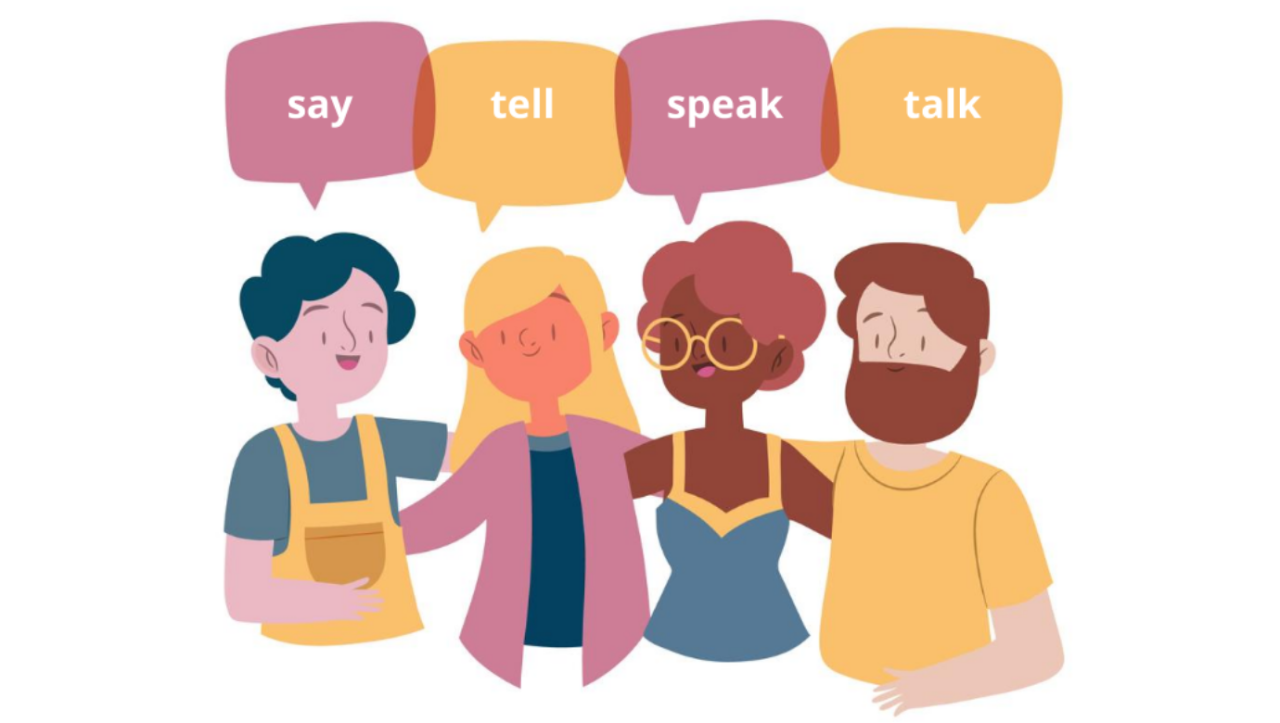
Consistent practice is paramount in building and sustaining confidence. It’s not a one-time achievement but a journey of continuous improvement. Embracing challenges and refining responses to various situations strengthens your ability to confidently navigate daily interactions. This ongoing process allows you to adapt and grow, ultimately leading to greater self-assurance.
Importance of Consistent Practice
Consistent practice, like any skill, is crucial for developing and maintaining confidence. Regular engagement in situations requiring confident communication allows for the reinforcement of positive behaviors and the gradual reduction of anxiety associated with unfamiliar interactions. Each successful interaction builds a foundation of experience, which translates into greater comfort and assurance in future encounters.
Strategies for Creating Opportunities
Creating opportunities for confident interaction is essential for ongoing development. These opportunities can be intentionally sought out, or they can be found in everyday interactions. Proactively participating in social events, joining clubs or groups with shared interests, and volunteering for projects can provide a rich environment for practice. Even small daily interactions, such as initiating conversations with colleagues or asking for directions, can be valuable opportunities for building confidence.
Seeking Feedback and Adjusting Styles
Seeking feedback and adjusting communication styles are crucial components of the confidence-building process. Constructive criticism, when received with an open mind, offers valuable insights into areas for improvement. This allows you to identify and address potential weaknesses in your communication style. Actively seeking feedback from trusted sources, such as mentors, friends, or colleagues, can help you refine your approach and enhance your communication effectiveness.
Reflecting on Interactions
Reflecting on interactions is a powerful tool for learning and growth. After each interaction, taking time to analyze what worked well and what could be improved allows for the identification of patterns and the refinement of strategies. Journaling, for example, can be a valuable method for recording experiences and identifying recurring themes or areas for improvement. This process of self-reflection strengthens your understanding of your communication strengths and weaknesses, empowering you to make conscious adjustments.
Regular Practice Plan
| Date | Situation | Practice Point | Feedback/Reflection |
|---|---|---|---|
| Monday | Presenting ideas to a small group | Maintaining eye contact and projecting voice | Noted hesitancy at beginning; practiced projecting voice and made eye contact with individual team members; will work on smooth transitions between points |
| Tuesday | Asking a colleague for help | Articulating needs clearly and respectfully | Successfully communicated needs clearly; will work on asking for help in a more proactive way |
| Wednesday | Joining a team meeting | Contributing actively and respectfully | Initiated more participation in discussions; will work on concisely summarizing contributions |
| Thursday | Addressing a customer concern | Remaining calm and professional | Maintained composure even when the customer was frustrated; will work on proactively anticipating potential customer issues |
| Friday | Networking event | Initiating conversations with strangers | Successfully initiated several conversations; will focus on follow-up questions to keep conversations flowing |
Examples of Practice Situations
Effective confidence practice involves applying strategies to diverse situations. For example, during a presentation, maintaining eye contact with audience members can project confidence. When asking a colleague for help, clear and respectful communication demonstrates confidence in your abilities. In social settings, initiating conversations and engaging in thoughtful dialogue demonstrates a willingness to connect with others. By practicing these approaches consistently, you will build the confidence to navigate various social situations effectively.
Wrap-Up
In conclusion, mastering the art of confident communication isn’t a destination but a continuous journey. By understanding the foundational elements of confidence, identifying your personal barriers, and implementing the practical strategies Artikeld in this guide, you can significantly improve your interactions in daily life. Remember that consistent practice and a willingness to learn from feedback are key to building and refining your confidence over time.