Effective communication is paramount in the teaching profession. It’s not just about conveying information; it’s about fostering understanding, building rapport, and creating a supportive learning environment. This guide provides a roadmap for teachers to navigate various communication styles, ensuring clear and impactful interactions with their students.
From establishing positive relationships and actively listening to student concerns, to using technology and handling challenging conversations, this comprehensive resource offers practical strategies for optimizing communication in the classroom. It delves into the nuances of verbal, nonverbal, and written communication, tailoring techniques to diverse learning needs.
Establishing Rapport and Connection
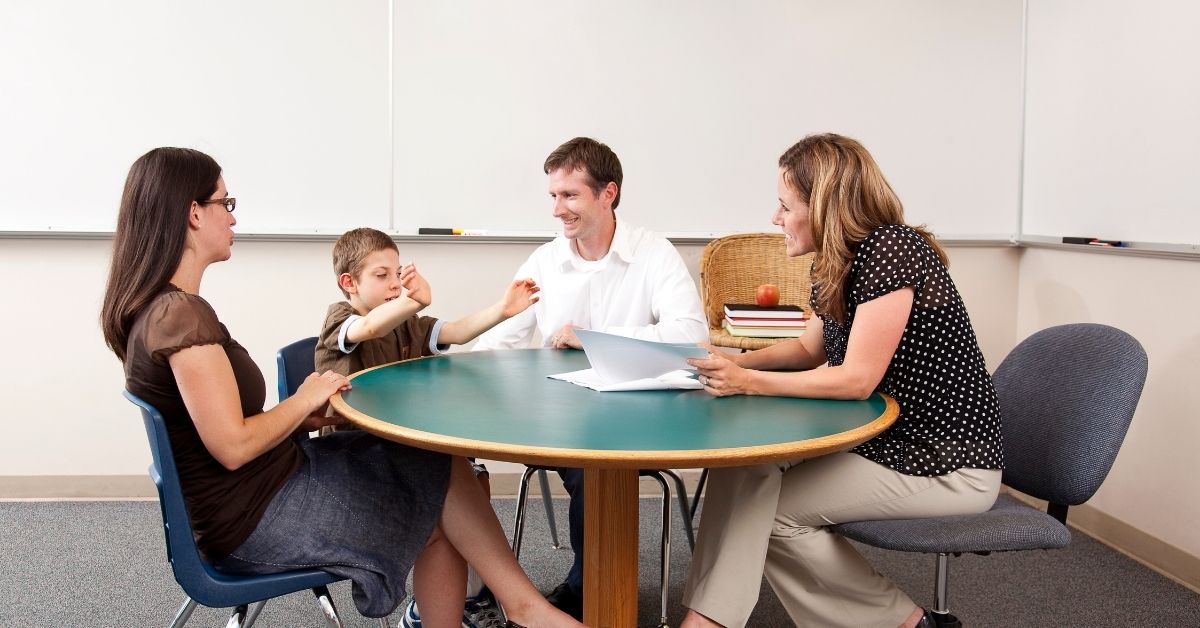
Building positive relationships with students is fundamental to effective teaching. A strong rapport fosters a supportive and engaging learning environment, enabling students to feel safe, respected, and motivated to participate actively in the classroom. This connection empowers teachers to understand student needs and tailor instruction to maximize their learning potential.Creating a strong connection with students is not merely a nice-to-have; it is a crucial component of effective teaching.
A supportive and welcoming classroom environment encourages students to take risks, ask questions, and contribute to class discussions. This active participation leads to a more dynamic and enriching learning experience for all.
Strategies for Building Positive Relationships
Establishing positive relationships with students requires a multifaceted approach. Proactive strategies, such as demonstrating genuine care and empathy, are essential. Active listening, combined with creating a welcoming and inclusive classroom, helps build trust and understanding.
- Active Listening: Paying close attention to students’ verbal and nonverbal cues, acknowledging their feelings, and responding thoughtfully to their concerns demonstrates genuine care and respect. By actively listening, teachers gain valuable insights into students’ perspectives and experiences, enabling them to better tailor their teaching methods and create a supportive learning environment. For example, if a student expresses frustration with a particular concept, actively listening involves acknowledging their feelings and clarifying their understanding, rather than immediately offering a solution.
- Welcoming and Inclusive Classroom Environment: A welcoming classroom environment respects diversity and creates a sense of belonging for all students. Teachers can foster this by incorporating activities that celebrate cultural backgrounds, incorporating diverse perspectives in lessons, and actively promoting inclusivity through classroom rules and discussions. This fosters a sense of community where students feel comfortable sharing their thoughts and experiences without fear of judgment.
- Showing Genuine Care and Empathy: Demonstrating genuine care and empathy towards students creates a safe and supportive learning environment. Taking the time to understand students’ individual needs and challenges, acknowledging their emotions, and offering appropriate support can significantly impact student engagement and well-being. For instance, a teacher who notices a student exhibiting signs of distress might offer a quiet moment or a supportive word, demonstrating care and concern.
Methods for Fostering a Welcoming and Inclusive Classroom
Creating a welcoming and inclusive classroom environment is crucial for establishing strong relationships with students. This involves actively creating a space where every student feels valued and respected.
- Diverse Representation in Lessons: Incorporating diverse perspectives and experiences into lesson plans is a powerful way to promote inclusivity. Examples include using literature from various cultures, inviting guest speakers from diverse backgrounds, or featuring examples of historical figures from underrepresented groups.
- Encouraging Open Dialogue: Fostering open dialogue among students and actively engaging in discussions on sensitive topics is critical. This fosters understanding and respect among students. This can be facilitated by establishing clear ground rules for respectful communication and providing opportunities for students to express their opinions in a safe and supportive environment.
- Celebrating Differences: Recognizing and celebrating the unique qualities and perspectives of each student fosters a sense of belonging. This can be achieved through classroom activities that encourage students to share their cultures, interests, and experiences, or through classroom displays that showcase student work and achievements.
Examples of Actively Listening to Student Concerns
Active listening is essential for understanding student concerns and perspectives. This involves paying close attention to both verbal and nonverbal cues.
- Creating a Safe Space: Establishing clear guidelines for respectful communication and creating a space where students feel comfortable sharing their concerns is paramount. For instance, teachers can implement a system where students can anonymously submit concerns or questions, ensuring confidentiality and a safe space for expression.
- Responding Thoughtfully: Actively listening and responding thoughtfully to students’ concerns demonstrates that their perspectives are valued. This might involve paraphrasing what the student said, asking clarifying questions, or simply acknowledging their feelings. For example, if a student expresses concern about a particular assignment, the teacher can restate the student’s concerns and ask for more details about the areas of confusion.
- Following Up: Following up on student concerns is vital to show that their concerns are taken seriously. This can involve scheduling a meeting with the student to discuss the issue further, providing additional resources, or making adjustments to the curriculum.
Icebreakers and Activities to Promote Connection
Icebreakers and activities are valuable tools for fostering a sense of connection and community in the classroom.
- Classroom Games: Incorporating simple games that encourage interaction and collaboration can create a more welcoming atmosphere. Examples include collaborative puzzles, team-based learning exercises, or simple icebreakers designed to get students talking and interacting.
- Sharing Activities: Encouraging students to share personal interests or experiences in a safe and supportive environment can help build rapport. This could involve creating a “get-to-know-you” activity, where students share something they are passionate about, or a class-wide survey about their hobbies.
- Group Projects: Group projects provide opportunities for students to interact with their peers and learn from each other’s perspectives. Group work can be used to foster collaboration and build positive relationships between students.
Clear and Concise Communication
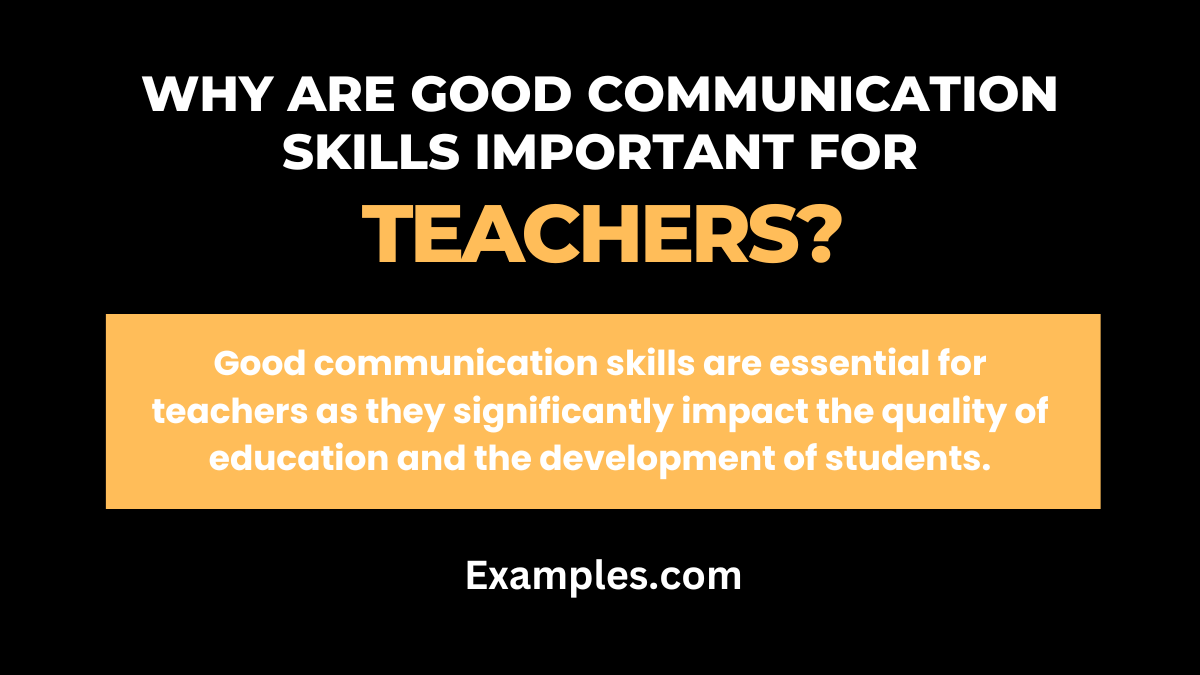
Effective communication is paramount in the teaching-learning process. Clear and concise language ensures students grasp information readily, reducing confusion and promoting active engagement. This approach fosters a deeper understanding of concepts, leading to improved learning outcomes. A teacher who communicates clearly and concisely cultivates a more positive and productive learning environment.
Importance of Clear and Concise Language
Clear and concise language in teaching is crucial for several reasons. Firstly, it allows students to easily comprehend the presented material, minimizing the need for repeated explanations. Secondly, it promotes active listening and engagement, as students can focus on the core message without being distracted by unnecessary jargon or complex sentence structures. Finally, clear communication builds trust and respect between teacher and student, creating a more supportive learning atmosphere.
Effective Verbal Communication Techniques
Several techniques contribute to effective verbal communication in the classroom. Using precise vocabulary, avoiding ambiguity, and structuring sentences logically are key elements. Speaking at a moderate pace, with appropriate pauses for emphasis, enhances comprehension. Demonstrating enthusiasm and passion for the subject matter can also make communication more engaging. Encouraging active participation through questions and discussion, and providing opportunities for students to clarify doubts, further strengthens the communication process.
These strategies facilitate a smoother and more effective exchange of information.
Simplifying Complex Information
Presenting complex information in a simplified manner requires careful consideration of the audience’s understanding level. Teachers can break down complex concepts into smaller, more manageable parts. Visual aids, such as diagrams, charts, and models, can effectively illustrate abstract ideas. Using real-life examples and analogies helps students connect new information to existing knowledge. Employing relatable scenarios and metaphors further enhances understanding.
By employing these strategies, teachers can ensure that students grasp even the most challenging concepts.
Adjusting Communication Styles for Diverse Learning Needs
Diverse learning needs necessitate adaptability in communication styles. Understanding different learning styles (visual, auditory, kinesthetic) is crucial. Teachers should cater to diverse needs by incorporating a variety of teaching methods. For example, visual learners might benefit from diagrams and presentations, while kinesthetic learners might benefit from hands-on activities. Furthermore, accommodating different communication preferences, such as providing written materials alongside verbal explanations, helps cater to a wider range of learning styles and ensures that all students have the opportunity to grasp the concepts.
Avoiding Jargon and Technical Terms
Excessive use of jargon and technical terms can hinder communication and create confusion. Instead, teachers should strive to use plain language that is easily understood by all students. Replacing technical terms with simpler synonyms or providing definitions when necessary helps ensure that all students grasp the intended meaning. This practice promotes inclusivity and creates an environment where everyone can participate and learn.
Comparison of Communication Styles
| Communication Style | Description | Suitability for Student Groups |
|---|---|---|
| Direct | Clear, concise, and focused on the core message. | Effective for students needing explicit instructions and clear expectations. |
| Interactive | Encourages student participation through questions, discussions, and activities. | Beneficial for students who learn through interaction and collaboration. |
| Supportive | Emphasizes understanding, empathy, and encouragement. | Ideal for students who require reassurance and emotional support. |
| Enthusiastic | Communicates passion and excitement for the subject matter. | Promotes engagement and motivation for all students. |
Active Listening and Feedback
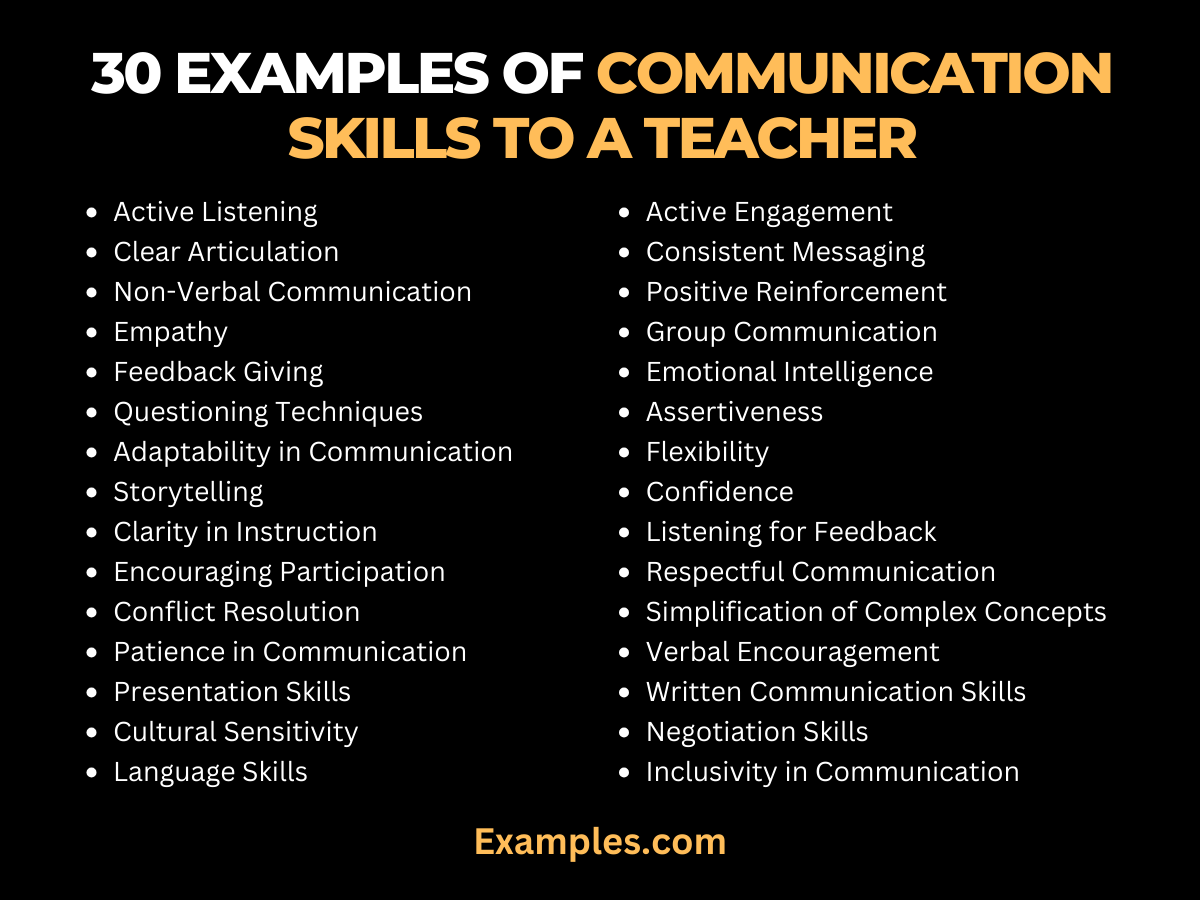
Effective communication in the classroom extends beyond clear articulation; it encompasses active listening and providing constructive feedback. These crucial elements foster a supportive learning environment where students feel heard and empowered to learn and grow. Active listening, coupled with thoughtful feedback, cultivates a strong teacher-student connection, leading to enhanced student engagement and academic success.Active listening is not simply hearing; it is a conscious effort to understand the speaker’s perspective, both verbally and nonverbally.
This involves focusing on the speaker, minimizing distractions, and demonstrating genuine interest. This creates a safe space for students to express their thoughts and feelings without fear of judgment. Effective listening enables teachers to better comprehend student needs and adjust their teaching strategies accordingly.
Active Listening in the Classroom
Active listening in the classroom involves demonstrating attentiveness to both verbal and nonverbal cues. Teachers can actively listen by maintaining eye contact, nodding, and using verbal affirmations like “I see” or “I understand.” Creating a classroom environment that encourages open communication and respects diverse perspectives is paramount. This includes actively seeking out different viewpoints, avoiding interrupting, and patiently waiting for students to fully express themselves.
Active listening facilitates deeper understanding of student concerns, strengthens relationships, and improves the learning experience for all.
Methods for Providing Constructive Feedback
Constructive feedback focuses on specific behaviors or actions rather than making general, vague statements. It should be specific, actionable, and delivered in a supportive manner. Teachers should strive to provide feedback that is descriptive rather than judgmental. Instead of saying “Your essay is bad,” a teacher might say “The introduction could be more engaging, and the transitions between paragraphs could be clearer.” This allows students to identify areas for improvement and learn from their mistakes.
This targeted feedback can be integrated into the lesson to enhance learning and promote growth.
Addressing Student Concerns and Questions
Addressing student concerns and questions directly and promptly demonstrates care and support. Teachers should actively listen to the student’s concerns, paraphrase their statements to ensure understanding, and then provide a thoughtful response. This approach demonstrates respect for the student’s perspective and allows for a more collaborative learning experience. When students feel heard and understood, they are more likely to engage actively in the learning process.
By addressing concerns openly and honestly, teachers build trust and foster a positive classroom environment.
Incorporating Student Input into Lesson Planning
Incorporating student input into lesson planning is a valuable strategy that promotes student engagement and ownership of the learning process. Gathering student feedback through surveys, polls, or informal discussions can provide valuable insights into student learning styles, interests, and needs. Teachers can tailor their instruction to better meet the needs of their students by incorporating this feedback. This active listening process can lead to more engaging and relevant lessons that enhance student motivation and achievement.
Comparison of Feedback Methods and Effectiveness
Different feedback methods can vary in their effectiveness. Direct feedback, delivered immediately after a task, can be highly effective for immediate correction and learning. Written feedback, providing a detailed analysis of the work, can be helpful for long-term learning and improvement. Peer feedback, encouraging students to provide feedback to each other, promotes collaboration and encourages students to take on the role of active learners.
The choice of method depends on the specific context, the student’s learning style, and the learning objective.
Steps for Giving Effective Feedback
| Step | Action |
|---|---|
| 1 | Active Listening: Carefully listen to the student’s work or response. |
| 2 | Specific and Descriptive Feedback: Focus on specific elements, using descriptive language to clarify what went well and where improvement is needed. |
| 3 | Actionable Feedback: Provide suggestions or examples for improvement, emphasizing what the student can do differently next time. |
| 4 | Positive Reinforcement: Acknowledge and appreciate the student’s efforts and progress. |
| 5 | Open Dialogue: Encourage questions and further discussion to clarify the feedback. |
Nonverbal Communication
Effective communication in the classroom extends beyond spoken words. Nonverbal cues, including facial expressions, body language, and the use of space, significantly impact how students perceive and respond to teachers. Understanding and utilizing these cues effectively can foster a more positive and productive learning environment.
Significance of Nonverbal Cues in Education
Nonverbal communication plays a crucial role in conveying emotions, attitudes, and intentions, often more powerfully than verbal messages. Teachers’ nonverbal cues can either build rapport or create a barrier between them and their students. For instance, a teacher’s posture, eye contact, and tone of voice can communicate confidence, enthusiasm, or disinterest. Students are highly attuned to these cues, and they significantly influence their learning experience and engagement.
Examples of Positive and Negative Nonverbal Communication
Positive nonverbal communication in teaching demonstrates warmth and approachability. A smile, open posture, and encouraging eye contact communicate support and create a safe learning environment. Conversely, negative nonverbal cues such as crossed arms, a stern or disapproving facial expression, and avoiding eye contact can create a sense of distance and discomfort, hindering student engagement. The consistent use of positive nonverbal cues helps students feel respected and valued, increasing their motivation and participation.
Interpreting Student Nonverbal Cues
Students’ nonverbal cues can provide valuable insights into their understanding, engagement, and emotional state. Observing facial expressions, body language, and changes in posture can help teachers identify signs of confusion, boredom, or anxiety. For example, slumped posture, averted gaze, or fidgeting might indicate a need for clarification or additional support. Similarly, a student’s excited facial expression and attentive posture suggest a high level of engagement.
By attentively observing these cues, teachers can tailor their instruction and support to meet individual student needs.
Using Body Language to Enhance Communication
Effective body language in teaching includes maintaining open posture, using gestures to emphasize points, and maintaining appropriate eye contact. Using gestures to illustrate a point can enhance understanding, while maintaining good eye contact creates a connection with students, making them feel valued. Avoidance of fidgeting or distracting movements can help maintain focus and concentration in the classroom.
Managing and Using Space Effectively in the Classroom
Effective use of space in the classroom is crucial for maintaining order and fostering a sense of community. Strategically positioning furniture can create a more interactive learning environment. Teachers can use their position in the classroom to communicate engagement and control. For example, standing closer to a student who appears confused can offer personalized support without disrupting the class.
Moving around the room and engaging with students individually or in groups can help facilitate learning.
Nonverbal Communication Techniques for Building Connections
Utilizing appropriate nonverbal communication techniques fosters a positive and supportive learning environment. A warm smile, welcoming eye contact, and a friendly tone of voice can communicate approachability and encourage student participation. Using encouraging gestures and positive body language can communicate approval and reinforce desired behaviors. A teacher who actively listens and maintains open body language can build rapport with students, promoting a collaborative learning environment.
Using these techniques, teachers can communicate their care and support to create a safe and encouraging environment where students feel comfortable to participate and ask questions.
- Smiling: A genuine smile communicates warmth, approachability, and encouragement, creating a positive classroom atmosphere.
- Open Posture: Maintaining an open posture, with uncrossed arms and a relaxed stance, communicates approachability and openness to students’ ideas.
- Eye Contact: Appropriate eye contact communicates engagement and shows that the teacher values student contributions.
- Encouraging Gestures: Using appropriate gestures to emphasize points, and reinforcing positive behavior with nods or affirming gestures, can reinforce learning and encourage participation.
- Active Listening: Paying attention to students’ nonverbal cues, such as posture, facial expressions, and eye contact, allows teachers to understand their needs and respond accordingly.
Written Communication (e.g., Assignments, Feedback)
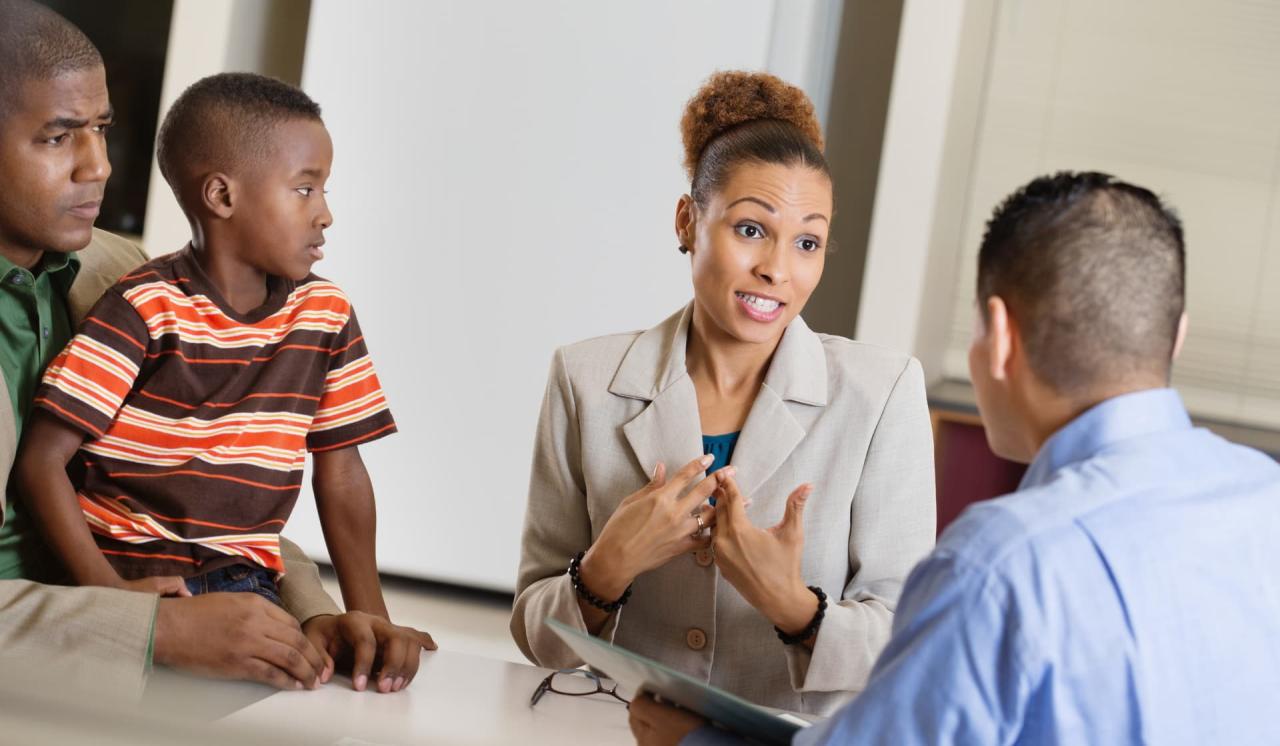
Clear and consistent written communication is paramount in education. It fosters a transparent and productive learning environment for students. Effective written communication, whether in assignments or feedback, ensures that expectations are clearly articulated, and students understand the criteria for success. This clarity minimizes misunderstandings and facilitates a more efficient learning process.Effective written communication, in the context of education, involves carefully crafting assignments and feedback that promote student understanding and engagement.
It’s not merely about conveying information; it’s about facilitating learning. This entails a clear understanding of the intended learning outcomes and tailoring the communication to the target audience.
Importance of Clear and Consistent Written Communication
Students thrive in environments where expectations are well-defined and consistently applied. Clear communication regarding assignments, deadlines, and grading criteria reduces anxiety and confusion. This allows students to focus on the learning process rather than deciphering ambiguous instructions. Students gain a better understanding of the learning goals and can develop the skills needed to achieve them.
Structuring Assignments for Effective Understanding
Well-structured assignments guide students through the learning process. Assignments should clearly state the learning objectives, provide necessary background information, Artikel the tasks, and specify the required format. This structure empowers students by providing a roadmap to success. For example, a history assignment could include a specific question prompting critical analysis of a historical event, alongside the required length and citation style.
Examples of Providing Constructive Feedback Through Written Comments
Constructive feedback, provided through written comments, fosters student growth and development. Comments should be specific, actionable, and focus on the positive aspects of the work while identifying areas for improvement. Instead of generic comments like “good job,” offer specific praise, such as “Your analysis of the character’s motivation was insightful.” For areas needing improvement, provide specific examples and suggestions, such as “Consider exploring the economic factors that contributed to the conflict.” Avoid vague or accusatory language.
Using Appropriate Tone and Language
The tone and language used in written communication should be professional, respectful, and supportive. A warm and encouraging tone fosters a positive learning environment. Avoid jargon or overly technical language that might confuse students. Instead, opt for clear and concise language that promotes comprehension. For example, avoid technical terms that might not be familiar to students.
Comparison of Written Communication Methods
Different methods of written communication cater to various needs and contexts. Emails are suitable for announcements, reminders, and individual feedback. Online forums can facilitate discussions and collaboration among students. Choose the method that best suits the specific purpose. Consider factors like the urgency of the message and the desired level of interaction when making your selection.
Essential Elements of Clear Written Communication in Education
| Element | Description |
|---|---|
| Clarity | Ensure that the message is easily understood by the intended audience. |
| Conciseness | Avoid unnecessary jargon or lengthy explanations. |
| Accuracy | Verify the information presented to maintain credibility. |
| Completeness | Provide all necessary information to guide the reader. |
| Conciseness | Avoid unnecessary jargon or lengthy explanations. |
| Tone | Maintain a respectful and supportive tone. |
| Structure | Organize the communication logically for clarity. |
Addressing Difficult Conversations
Effective communication is crucial in any classroom setting, but particularly when navigating challenging situations. Addressing difficult conversations with students requires a thoughtful and empathetic approach. This involves recognizing the emotional dynamics at play and employing strategies to foster understanding and resolve conflicts constructively. Proactive communication strategies are essential to ensure a safe and productive learning environment.
Managing Challenging Student Behaviors
Addressing challenging student behaviors requires a multifaceted approach, moving beyond simple disciplinary actions. Understanding the underlying reasons behind the behavior is paramount. This may involve exploring potential learning difficulties, emotional issues, or social challenges. Teachers should strive to create a supportive and inclusive learning environment where students feel comfortable expressing themselves and seeking help. Open communication channels between teachers, students, and parents are vital in effectively managing these behaviors.
Handling Disagreements and Conflict Respectfully
Disagreements and conflicts are inevitable in any classroom. Effective strategies for handling these situations focus on facilitating respectful dialogue and finding mutually agreeable solutions. Teachers should model appropriate conflict resolution techniques by actively listening to both sides of the story and remaining neutral. Examples of respectful communication include clearly stating expectations, using “I” statements to express feelings, and actively seeking solutions that address the needs of all parties involved.
Mediating Disputes Among Students
Mediation skills are essential for effectively managing disputes among students. Teachers should act as neutral facilitators, guiding students towards a mutually acceptable resolution. This involves creating a safe space for communication, actively listening to each student’s perspective, and encouraging them to find common ground. Teachers should emphasize the importance of empathy and understanding each other’s viewpoints. Successful mediation results in students learning valuable conflict resolution skills that can be applied beyond the classroom.
Addressing Sensitive Topics with Students
Addressing sensitive topics with students requires careful consideration and sensitivity. Teachers should be prepared to provide a safe and supportive space for open discussion. Open-ended questions can encourage thoughtful reflection and promote a deeper understanding of the issue. It is crucial to avoid judgmental language and foster an environment where students feel comfortable sharing their experiences and concerns.
Using age-appropriate language and resources can also help students understand the complexities of sensitive issues.
Maintaining Composure and Professionalism
Maintaining composure and professionalism in difficult situations is vital for effective communication. This involves remaining calm, even when faced with emotional outbursts or challenging behaviors. Teachers should strive to remain objective and focus on resolving the issue at hand. Deep breaths, self-awareness, and a clear understanding of personal boundaries can help maintain composure and professionalism. This composure creates a positive and supportive environment for students and colleagues.
Flowchart for Handling Sensitive Situations
| Step | Action |
|---|---|
| 1 | Acknowledge and Validate: Acknowledge the student’s feelings and concerns. Use phrases like “I understand you’re feeling…” or “That sounds like a difficult situation.” |
| 2 | Active Listening: Listen attentively to the student’s perspective without interruption. Paraphrase their statements to confirm understanding. |
| 3 | Establish Ground Rules: Establish clear guidelines for respectful communication. Emphasize active listening, taking turns, and using “I” statements. |
| 4 | Brainstorm Solutions: Collaboratively brainstorm possible solutions to the problem. Encourage students to consider different perspectives. |
| 5 | Decide on a Course of Action: Help students choose a solution that addresses the needs of all involved parties. Clearly communicate the next steps and expected behaviors. |
| 6 | Follow Up: Monitor the situation and provide ongoing support as needed. Follow up with students to ensure the chosen solution is working. |
Utilizing Technology for Effective Communication
Technology offers powerful tools to enhance communication in the classroom, fostering engagement and personalized learning experiences. Leveraging digital platforms allows teachers to connect with students in innovative ways, facilitating interactive learning and providing timely feedback. This section will explore various strategies for integrating technology into communication, managing online interactions, and employing social media effectively for educational purposes.
Examples of Using Technology to Enhance Communication with Students
Technology provides diverse avenues for engaging students and facilitating effective communication. Interactive whiteboards, for instance, can transform lessons into dynamic experiences. Video conferencing tools can facilitate virtual guest speakers, broadening learning horizons. Learning management systems (LMS) offer a centralized platform for distributing materials, assignments, and feedback. Utilizing multimedia resources, such as videos and interactive simulations, can make complex concepts more accessible and engaging for students.
Strategies for Integrating Digital Tools for Communication
A well-planned integration of digital tools necessitates careful consideration of pedagogical goals. Begin by identifying specific learning objectives and selecting technology that aligns with these objectives. Develop clear guidelines for using technology, emphasizing responsible digital citizenship and appropriate online behavior. Incorporate technology seamlessly into existing lesson plans, avoiding its use as a mere add-on. Prioritize training and support for both teachers and students to ensure effective utilization of the chosen tools.
Strategies for Using Online Platforms for Feedback and Interaction
Online platforms provide a rich environment for providing feedback and fostering student-student and student-teacher interaction. Utilizing discussion forums enables collaborative learning, allowing students to share ideas and engage in meaningful dialogue. Interactive quizzes and assessments provide immediate feedback, enabling teachers to gauge student understanding and address any misconceptions promptly. Personalized learning platforms can tailor feedback and support to individual student needs, fostering a more responsive learning environment.
Methods for Managing Online Communication and Interactions
Managing online communication requires establishing clear expectations and guidelines for online behavior. Develop a communication protocol that Artikels acceptable language and interaction norms. Monitor online interactions, intervening when necessary to address inappropriate behavior or provide guidance. Foster a supportive and inclusive online environment where students feel comfortable sharing their ideas and participating actively. Consider using tools to manage discussion forums, such as assigning roles or using moderation features.
Strategies for Using Social Media in Education for Communication
Social media platforms can be leveraged to create a dynamic learning community outside the traditional classroom. Utilize platforms such as Twitter or dedicated educational forums to share learning resources, engage in discussions, and connect with other educators. Create school-related social media accounts to showcase student work, highlight achievements, and foster school spirit. Develop clear guidelines for student participation, ensuring responsible use of social media and promoting digital citizenship.
Table of Educational Technology Tools for Effective Communication
| Tool | Description | Communication Enhancement |
|---|---|---|
| Google Classroom | Centralized platform for assignments, communication, and feedback. | Streamlines communication, facilitates assignment management, and enables timely feedback. |
| Microsoft Teams | Collaborative workspace for communication, file sharing, and video conferencing. | Provides a central hub for group projects, virtual meetings, and communication with parents. |
| Flipgrid | Video-sharing platform for student responses to prompts and discussion. | Encourages student reflection, fosters interaction, and allows for diverse communication styles. |
| Padlet | Collaborative wall for brainstorming, sharing ideas, and building consensus. | Supports visual learning, facilitates brainstorming sessions, and enables collective knowledge building. |
| Kahoot! | Interactive game-based learning platform for quizzes and assessments. | Enhances engagement, provides immediate feedback, and fosters a fun learning environment. |
Last Recap
In conclusion, effective communication is a multifaceted skill essential for every teacher. By mastering strategies for building rapport, fostering clear communication, actively listening, understanding nonverbal cues, managing difficult conversations, and utilizing technology, teachers can create a dynamic and engaging learning environment. This guide equips teachers with the tools to connect with their students on a deeper level, ultimately maximizing their learning potential.