Effective leadership often hinges on more than just words. Body language plays a crucial role in conveying confidence, authority, and connection. This guide delves into the intricate world of nonverbal communication, exploring how to leverage posture, eye contact, gestures, and movement to enhance your leadership presence and inspire those around you.
From projecting confidence through posture to fostering rapport with appropriate eye contact, mastering body language unlocks powerful communication channels. This comprehensive resource will equip you with practical strategies and insights to elevate your leadership style and connect with your audience on a deeper level.
Posture and Physical Presence

Effective body language is crucial for projecting confidence and authority as a leader. A strong physical presence conveys competence, trustworthiness, and a command of the situation. This section will delve into the importance of posture, physical positioning, and specific body movements in leadership communication.
Effective Postures for Projecting Confidence and Authority
Maintaining a confident posture involves aligning the body in a way that communicates authority and competence. This includes keeping your back straight, shoulders back and relaxed, and your head held high. Standing tall and centered conveys a sense of stability and control. Consider a posture where your weight is distributed evenly, not leaning too far forward or backward.
An example of an effective posture would be standing with your feet shoulder-width apart, engaging your core muscles, and maintaining a neutral and open facial expression. This posture projects an image of strength and preparedness.
Comparison of Open and Closed Postures
The following table illustrates the impact of open and closed postures on leadership perception. Open postures are associated with approachability and openness, while closed postures can be perceived as defensive or unapproachable.
| Posture Type | Description | Impact on Leadership Perception |
|---|---|---|
| Open Posture | Standing with feet shoulder-width apart, arms relaxed at your sides or slightly apart, and a direct gaze. Body facing forward, open and inviting. | Communicates confidence, approachability, and openness. Leads to a perception of trustworthiness and competence. |
| Closed Posture | Standing with feet close together, arms crossed over the chest, hunched posture, and a gaze directed downward. | May convey defensiveness, unapproachability, and a lack of confidence. Could be perceived as less competent and trustworthy. |
Using Body Positioning to Convey Competence and Trustworthiness
Positioning your body to convey competence and trustworthiness is vital for effective leadership. For example, when speaking in a group, maintain eye contact with various individuals to demonstrate engagement and inclusivity. This will foster a sense of connection and shared understanding. Actively listening to others by maintaining an open posture, such as leaning slightly forward and nodding, shows engagement and respect.
These actions demonstrate your attentiveness and encourage further dialogue.
Maintaining Good Posture Throughout Interactions
Maintaining good posture throughout various interactions is essential for conveying confidence and credibility. During meetings, presentations, or informal conversations, maintain an upright posture to project an image of competence and control. This posture conveys professionalism and command of the situation. Consistent good posture helps build trust and credibility with those around you.
Improving Physical Presence in Leadership Settings
Improving physical presence in different leadership settings requires conscious effort and practice. In formal meetings, ensure you stand tall and maintain eye contact with participants. In team settings, actively participate in discussions, and demonstrate engagement by using appropriate hand gestures. In one-on-one interactions, use active listening techniques such as leaning forward and maintaining open posture to convey empathy and understanding.
Specific Body Movements and Their Impact on Communication
The following table demonstrates how specific body movements, such as hand gestures, can significantly affect communication. Using appropriate hand gestures can enhance clarity and engagement, while excessive or inappropriate gestures can detract from the message.
| Body Movement | Description | Impact on Communication |
|---|---|---|
| Open Hand Gestures | Using open palms, relaxed hand movements, and moderate gestures during a presentation. | Convey openness, sincerity, and confidence, increasing audience engagement. |
| Closed Hand Gestures | Crossing arms, clenching fists, or using overly dramatic gestures during a presentation. | Can create a defensive or unapproachable impression, potentially hindering audience engagement. |
Eye Contact and Facial Expressions
Effective leadership hinges not only on posture and physical presence but also on the subtle nuances of communication conveyed through eye contact and facial expressions. These seemingly minor elements significantly impact how your team perceives your authority, approachability, and empathy. Mastering these subtle signals allows you to connect with your team on a deeper level, fostering trust and motivation.Appropriate eye contact establishes a connection and conveys confidence.
Varying facial expressions reflect your emotional state and can either build rapport or create distance. By understanding and controlling these nonverbal cues, you can significantly enhance your leadership presence.
Appropriate Eye Contact and Communication
Maintaining appropriate eye contact demonstrates confidence and engagement, fostering a sense of connection and trust with your audience. It signifies respect and attentiveness, encouraging reciprocal engagement. Avoid staring, which can be intimidating, and ensure your gaze is distributed across the room, showing inclusivity and engagement with all members of the team. Brief, focused glances at different individuals maintain a sense of engagement without overwhelming any one person.
Impact of Facial Expressions on Leadership Perception
Facial expressions play a crucial role in conveying emotional states and influencing how others perceive leadership qualities. A genuine smile can project approachability and friendliness, while a furrowed brow might convey disapproval or stress. Leaders who effectively manage their facial expressions can communicate empathy and understanding, boosting team morale and engagement. Consistent and genuine expressions of positivity and encouragement cultivate a supportive atmosphere.
Facial Expressions Communicating Approachability and Empathy
A warm smile, a gentle nod, and open posture contribute to an approachable and empathetic image. These nonverbal cues create a welcoming atmosphere where team members feel comfortable sharing their ideas and concerns. Showing genuine interest in others through attentive listening, reflected in subtle expressions of engagement like a slight tilt of the head or a focused gaze, strengthens relationships and promotes trust.
Managing and Controlling Facial Expressions in Stressful Situations
Stressful situations can trigger involuntary facial expressions that might not align with the message you intend to convey. Techniques like deep breathing exercises and mindful awareness can help regulate these expressions. Practicing positive self-talk and focusing on maintaining a neutral expression can help manage stress and project confidence, even under pressure. Acknowledging stress signals and responding with composure, rather than exhibiting heightened emotional responses, is key.
Relationship Between Eye Contact Patterns and Perceived Leadership Traits
| Eye Contact Pattern | Perceived Leadership Trait | Explanation |
|---|---|---|
| Sustained, direct eye contact with individuals | Confidence, engagement, respect | Shows attention and valuing of the individual’s input. |
| Scanning the room, engaging with multiple individuals | Inclusivity, attentiveness, fairness | Demonstrates equal attention to all members of the team. |
| Brief, focused glances at individuals | Respectful, mindful, attentive | Shows awareness of all members without appearing intrusive. |
| Avoiding eye contact | Insecurity, lack of engagement, disinterest | Creates distance and suggests a lack of connection. |
Using Facial Expressions to Connect and Motivate Team Members
Empathetic and supportive facial expressions, such as a genuine smile or a nod of encouragement, can motivate and inspire team members. Open, positive facial expressions reinforce a supportive environment and build confidence. Acknowledging achievements and efforts with subtle expressions of appreciation, like a raised eyebrow or a warm smile, demonstrates recognition and strengthens the leader-team bond. Positive reinforcement through facial expressions creates a dynamic where team members feel valued and motivated.
Gestures and Hand Movements

Effective communication extends beyond verbal and written cues; purposeful gestures significantly enhance the impact of your message. Strategic use of hand movements can not only clarify points but also actively engage your audience, fostering a more profound connection. Conversely, inappropriate gestures can diminish credibility and distract from the core message. Understanding the nuances of hand gestures, both in terms of cultural context and the specific communication setting, is crucial for leaders seeking to maximize their impact.
Importance of Purposeful Hand Gestures
Hand gestures are a powerful tool for emphasizing key points and conveying enthusiasm. They provide visual reinforcement, making your message more memorable and impactful. They can also help maintain audience interest, preventing monotony and boredom. Furthermore, they can bridge cultural gaps, making your communication more inclusive and effective across diverse audiences.
Using Hand Movements to Emphasize and Engage
Employing hand gestures strategically enhances the delivery of your message. When emphasizing a key point, use expansive gestures, such as sweeping motions with both hands. To highlight specific details, use pointed gestures or subtle movements. A leader’s gestures should be congruent with their message, reinforcing the words with corresponding visual cues. Consider incorporating gestures to convey enthusiasm and confidence.
Inappropriate Hand Gestures and Their Impact
Certain gestures can detract from the message and create a negative impression. Examples include fidgeting, excessive hand movements that distract, or inappropriate hand positions that project negativity. These behaviors can undermine your credibility and create an impression of nervousness or lack of control. Avoid gestures that might be offensive or misinterpreted in a specific cultural setting.
Cultural Nuances of Hand Gestures
Hand gestures carry different meanings across cultures. A gesture considered positive in one culture may be offensive in another. For example, the “thumbs up” sign is generally positive in Western cultures, but it can be considered offensive in some parts of the Middle East. It is vital to research and understand the cultural context of the audience before employing specific gestures.
Comparing Hand Gestures in Presentations and Conversations
Gestures should adapt to the communication setting. Presentations benefit from more expansive, demonstrative gestures to emphasize key points and create visual interest. One-on-one conversations, however, may benefit from more subtle, nuanced gestures that convey empathy and understanding. A leader should be flexible and adapt their approach to the context.
Table of Hand Gestures and Meanings
| Gesture Type | Description | Potential Meanings |
|---|---|---|
| Open Palms | Hands facing upwards, open | Honesty, openness, sincerity |
| Pointing Finger | Using a finger to indicate something | Emphasis, direction, highlighting a detail |
| Clenched Fist | Hands clenched into fists | Determination, strength, power |
| Waving Hands | Moving hands in a wave-like motion | Greeting, dismissal, excitement |
| Shaking Hands | Contact between hands | Greeting, agreement, respect |
Movement and Space Management
Effective leadership often hinges on more than just words and expressions. Conscious movement and strategic space management significantly impact how others perceive and respond to a leader. These subtle yet powerful nonverbal cues can enhance credibility, build rapport, and foster a sense of engagement within a group. The skillful manipulation of both physical movement and the space around you can contribute substantially to a leader’s overall presence.
Relationship Between Purposeful Movement and Leadership Presence
Purposeful movement, when strategically employed, can dramatically enhance a leader’s presence. A leader’s movement should reflect their confidence and authority, conveying a sense of control and engagement with the situation. This does not mean constant pacing or erratic gestures, but rather a measured and deliberate use of movement to emphasize points, maintain audience interest, and showcase enthusiasm for the topic.
A confident stride, a slight lean forward during a passionate statement, or a measured pause before speaking can all amplify a leader’s impact.
Significance of Managing Personal Space in Communication
Managing personal space is crucial in various communication scenarios. The appropriate distance maintained influences the dynamics of the interaction. In a formal presentation, a larger distance fosters a sense of professionalism and respect, while in a one-on-one conversation, a more intimate space can encourage a more collaborative atmosphere. Maintaining the right distance is crucial to creating the desired tone and rapport with different individuals and groups.
Using Movement to Emphasize Points and Maintain Engagement
Movement can be a powerful tool to emphasize key points. A slight step forward when stating a critical idea, a gesture that highlights a particular aspect of a proposal, or a pause in movement to allow the audience to fully absorb a significant statement can all serve to amplify the message. These intentional movements maintain audience engagement, keeping them focused and attentive.
For example, during a presentation, strategically moving to a different part of the stage or using a visual aid can highlight different sections of a presentation.
Impact of Pacing and Stillness on Audience Perception
Pacing and stillness are crucial components of effective movement management. Fast-paced movement can communicate urgency or excitement, whereas deliberate stillness can underscore important points or convey a sense of calm and control. The key is to use these elements strategically. For example, during a crisis meeting, a measured pace can demonstrate preparedness and a sense of calm; during a celebratory event, a more energetic pace can build enthusiasm and excitement.
Techniques for Using Space Effectively to Control Conversations and Meetings
Effective space management can influence the flow and direction of conversations and meetings. A leader can use space to control the conversation by strategically positioning themselves closer to individuals who need to be heard or who have valuable insights. By standing slightly away from those who dominate the conversation, the leader can encourage a more balanced and inclusive discussion.
Additionally, adjusting the physical layout of the meeting space can also influence the flow of conversation.
Appropriate Distance for Different Interactions
The following table provides a general guideline for maintaining appropriate distance during different types of interactions. Remember, these are general guidelines and may vary depending on cultural norms and individual preferences.
| Interaction Type | Appropriate Distance | Description |
|---|---|---|
| Formal Presentation | Large | Maintains a professional and respectful distance from the audience. |
| Team Meeting | Medium | Encourages collaboration and interaction amongst team members. |
| One-on-One Discussion | Intimate | Creates a more personal and collaborative environment. |
| Conflict Resolution | Medium | Provides a space for both parties to feel heard and respected. |
Vocal Cues and Tone
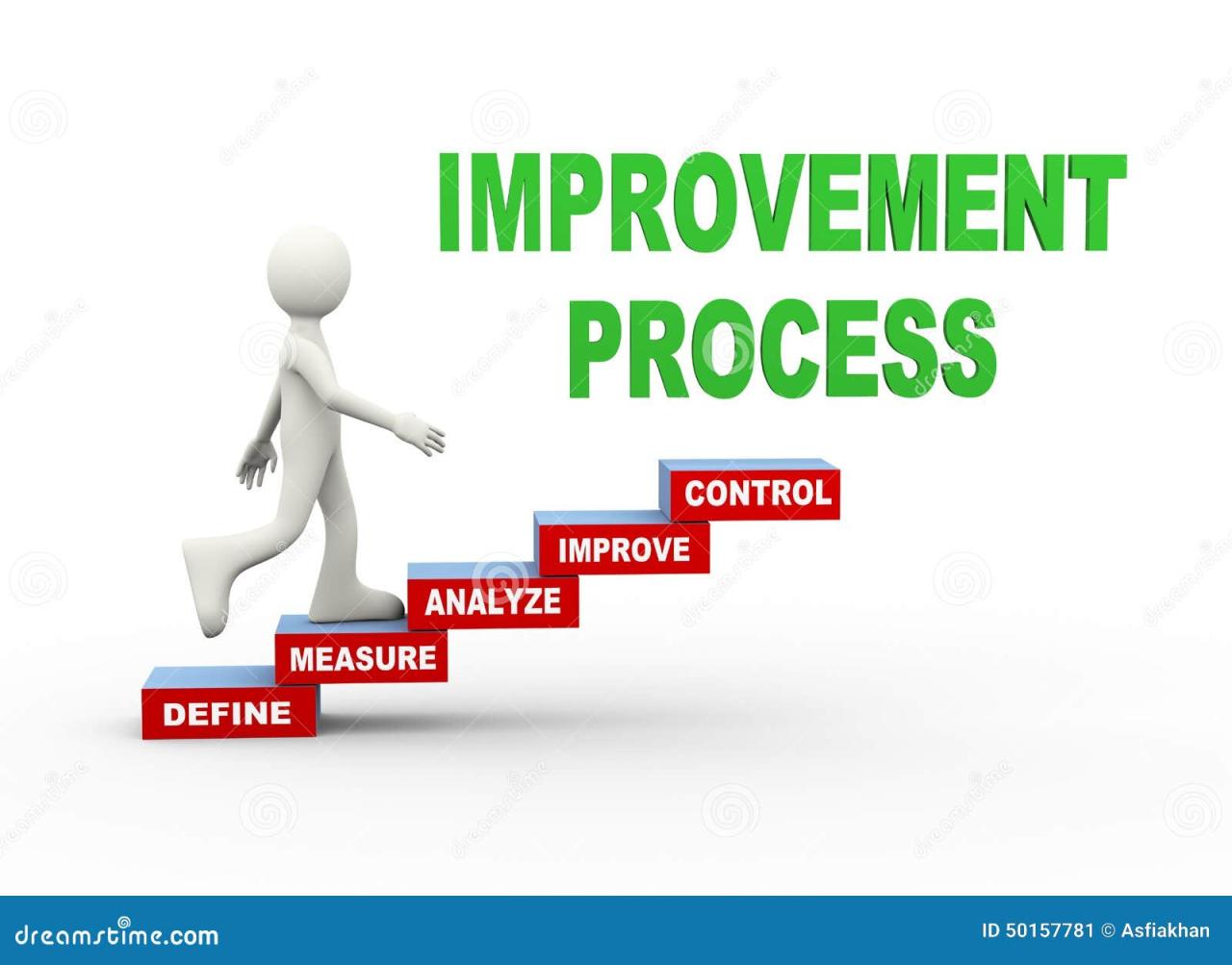
Vocal tone and pace are critical components of effective leadership communication. They significantly influence how messages are perceived and, consequently, impact audience engagement and overall leadership effectiveness. A leader’s voice, much like their body language, communicates volumes, conveying confidence, empathy, or authority. Mastering vocal cues allows leaders to project their personality and message with clarity and impact.
Impact of Vocal Tone on Leadership Effectiveness
Vocal tone significantly shapes how a message is received. A confident, even tone can inspire trust and encourage participation. Conversely, a hesitant or uncertain tone can undermine credibility and discourage engagement. The pace of speech also plays a crucial role; a rapid pace might convey urgency or excitement, but can also sound rushed or dismissive. A measured pace, on the other hand, can foster a sense of calm and control, allowing the audience to fully absorb the message.
Mastering vocal tone and pace is essential for effective communication and leadership.
Voice Modulation for Positive Impression
Voice modulation involves consciously adjusting tone, pace, and volume to enhance communication effectiveness. A leader can use a warm, friendly tone to foster a positive environment and connect with the audience on an emotional level. Using a firm tone when necessary, can communicate authority and decisiveness, but always maintaining clarity and avoiding harshness. Varying the pace of speech can maintain interest and create emphasis on key points.
These subtle adjustments in vocal cues significantly impact how the audience perceives the leader’s message and character.
Communicating Confidence, Empathy, and Authority
A confident vocal tone often includes a steady pace and clear enunciation. A leader conveying confidence demonstrates competence and reliability. Empathy can be conveyed through a softer, more compassionate tone and a slower pace, indicating understanding and concern. Authority, on the other hand, can be communicated through a firm, deliberate tone and a controlled pace, projecting power and control, while maintaining clarity and avoiding intimidation.
Vocal Cues and Audience Engagement
The connection between vocal cues and audience engagement is profound. Engaging vocal cues, such as appropriate pauses and varied tones, capture attention and maintain interest. This encourages active listening and participation from the audience, thus boosting the effectiveness of the leader’s message.
Controlling Vocal Tone in High-Pressure Situations
High-pressure situations often trigger emotional responses that can negatively affect vocal tone. Deep breathing exercises, focusing on positive self-talk, and recognizing triggers can help control emotional responses. Practicing vocal exercises can enhance control over the pace and tone, ensuring composure and clarity even under duress.
Impact of Vocal Tones on Perceived Leadership Traits
| Vocal Tone | Perceived Leadership Trait | Example |
|---|---|---|
| Warm, friendly, and encouraging | Empathetic, approachable | “I appreciate your hard work on this project.” |
| Steady, clear, and deliberate | Confident, competent | “Let’s analyze the data and identify the next steps.” |
| Firm, controlled, and authoritative | Decisive, powerful | “The deadline is firm, and we must meet it.” |
| Hesitant, uncertain, and wavering | Insecure, indecisive | “I think…maybe…we could try this approach.” |
| Rapid, rushed, and dismissive | Impatient, inconsiderate | “We need this done yesterday!” |
Active Listening and Body Language Feedback
Effective leadership hinges not only on clear communication but also on actively engaging with those you lead. Demonstrating genuine interest and understanding through body language fosters trust and collaboration. Active listening, combined with appropriate feedback cues, strengthens relationships and encourages productive dialogue. This section delves into the crucial role of body language in active listening, feedback, and conflict resolution.
Attentive Body Language Cues
Active listening involves more than just hearing words; it encompasses understanding the speaker’s message, both verbal and nonverbal. Demonstrating attentiveness through body language conveys respect and encourages open communication. Attentive body language cues include maintaining eye contact, using appropriate facial expressions, and employing subtle gestures that signal engagement.
- Maintaining Eye Contact: Sustaining appropriate eye contact shows engagement and respect. Avoid staring, which can be intimidating, but maintain a connection that demonstrates interest and focus. The duration and intensity of eye contact should vary based on cultural norms and the specific context.
- Open Posture: Maintaining an open posture, with relaxed shoulders and uncrossed arms, communicates receptiveness and willingness to listen. Avoid defensive postures, such as crossing arms, which can create a barrier and signal disinterest.
- Nodding: Occasional, gentle nods signal understanding and encourage the speaker to continue. Overuse of nodding can appear artificial, so ensure the nods are natural and genuine.
- Leaning Forward: Leaning slightly forward demonstrates engagement and a desire to hear more. This nonverbal cue indicates a willingness to actively listen and process the information.
- Using Appropriate Facial Expressions: Showing expressions that reflect understanding and empathy, such as a smile or a thoughtful frown, fosters a sense of connection. Matching your facial expressions to the speaker’s tone and message helps build rapport.
Providing Feedback Through Body Language
Beyond simply listening, leaders need to effectively convey understanding and appreciation. Nonverbal cues play a critical role in this process. Using body language to acknowledge and validate the speaker’s perspective creates a supportive environment.
- Mirroring Body Language (with Caution): Mirroring the speaker’s posture or subtle gestures, when done authentically and subtly, can create a sense of rapport and connection. However, mirroring should be used judiciously to avoid appearing insincere or manipulative.
- Open Gestures: Using open gestures, such as extending your hands slightly outward or using expressive hand movements (but avoiding excessive or distracting ones), can demonstrate openness to ideas and encourage participation.
- Head Tilting: A subtle head tilt can indicate interest and a desire to understand different perspectives. It suggests a willingness to consider the speaker’s viewpoint.
- Positive Head and Facial Expressions: Employing positive facial expressions, such as smiles or nods, signals agreement, validation, and understanding.
Encouraging Participation and Open Dialogue
Creating an environment where individuals feel comfortable sharing their thoughts and ideas is crucial for effective leadership. Body language plays a pivotal role in achieving this goal.
- Engaging Eye Contact with Different People: Shifting your eye contact between different individuals in the group encourages participation and ensures that everyone feels included.
- Body Language Cues for Open Dialogue: Employing open postures, maintaining relaxed gestures, and creating an environment where people feel comfortable to speak up, fosters open and inclusive dialogue. Use non-threatening postures and relaxed body language.
Body Language in Conflict Resolution and Consensus Building
Effective leadership often involves navigating disagreements and building consensus. Body language plays a significant role in de-escalating tensions and fostering collaboration.
- Non-Aggressive Posture: Maintaining a non-aggressive posture, such as avoiding aggressive or confrontational body language, helps create a more constructive atmosphere. Avoid crossing arms or making rigid hand gestures.
- Active Listening During Disagreements: Using attentive body language cues during disagreements, such as maintaining eye contact, nodding, and leaning forward, signals respect and a desire to understand differing perspectives.
- Acknowledging Concerns: Using affirmative head nods and appropriate facial expressions acknowledges the speaker’s concerns and encourages further discussion.
Table of Body Language Cues
| Body Language Cue | Meaning/Impact | Example |
|---|---|---|
| Maintaining eye contact | Engagement, respect, attentiveness | Looking directly at the speaker, but not staring |
| Open posture (uncross arms) | Receptiveness, willingness to listen | Relaxed shoulders, open hands |
| Nodding | Understanding, encouragement | Gentle nods in response to points |
| Leaning forward | Interest, engagement | Slightly leaning into the speaker |
| Mirroring (subtle) | Rapport, connection | Subtly matching the speaker’s posture |
Adapting to Different Audiences and Situations
Effective leadership necessitates adaptability in body language. Leaders must be attuned to the nuances of different audiences and contexts, adjusting their nonverbal cues to maximize impact and connection. This adaptability fosters trust, respect, and ultimately, more effective communication.Understanding the importance of tailoring body language is crucial. Different settings demand different approaches. Formal events require a certain level of formality, while informal gatherings call for a more relaxed style.
Virtual interactions demand a different set of considerations than in-person encounters, and cultural sensitivities must be observed. A leader who can navigate these variations successfully creates a more welcoming and engaging environment for everyone involved.
Adjusting Body Language for Formal and Informal Settings
Formal settings, such as board meetings or presentations to senior management, call for a more structured and reserved approach. Maintaining a confident posture, direct but respectful eye contact, and controlled gestures are essential. Informal settings, such as team meetings or brainstorming sessions, benefit from a more relaxed and collaborative body language. Open posture, friendly facial expressions, and engaging hand movements can foster a sense of camaraderie and encourage participation.
For example, a leader presenting a proposal to a board of directors might adopt a more upright posture, maintain direct eye contact with each member, and use controlled hand gestures to emphasize key points. In contrast, a leader facilitating a team workshop might adopt a more relaxed posture, use more expressive hand gestures, and maintain open posture to encourage interaction.
Adapting Body Language for Virtual and In-Person Interactions
Virtual interactions often require heightened awareness of nonverbal cues, as facial expressions and subtle gestures might be less visible. Leaders should project confidence and enthusiasm through their tone of voice, maintaining clear and concise communication. Ensuring a professional backdrop and good lighting is also essential. In-person interactions allow for a broader range of nonverbal cues, including facial expressions, gestures, and physical proximity.
Leaders should carefully consider their physical space and posture to project authority and warmth. A leader in a virtual meeting might use animated hand gestures and maintain consistent eye contact with the camera to compensate for the lack of face-to-face interaction. Conversely, a leader in a face-to-face meeting might use physical proximity to establish a connection with individuals and utilize varied hand gestures for better emphasis.
Tailoring Body Language to Different Cultural Norms
Cultural norms significantly influence how body language is perceived. Leaders should be mindful of cultural differences in nonverbal communication. What might be considered assertive in one culture could be perceived as aggressive in another. For example, direct eye contact is valued in some cultures but considered rude in others. Understanding and respecting cultural differences is essential for building trust and rapport with diverse teams and stakeholders.
A leader presenting to an international audience might need to research cultural norms to avoid unintended misinterpretations of their body language. For instance, maintaining appropriate personal space or adjusting the intensity of hand gestures can ensure effective communication across cultures.
Comparing Body Language for Team Settings and Public Presentations
Leadership body language in a team setting differs from that used in a public presentation. In a team setting, open posture, approachable facial expressions, and engaging hand movements are crucial to fostering collaboration and active participation. In a public presentation, a more commanding posture, strong eye contact, and strategic gestures are necessary to project confidence and deliver a compelling message.
For example, in a team brainstorming session, a leader might use open arms and a relaxed posture to signal inclusivity. In a presentation to a large audience, a leader might use confident stance and strong hand gestures to emphasize key points and create engagement.
Illustrations of Effective Body Language Cues in Different Leadership Contexts
Imagine a leader presenting a financial report to the board of directors. The leader stands with a confident posture, maintaining eye contact with each member of the board. Their gestures are controlled and deliberate, highlighting key financial figures. This visual demonstrates authority and competence.Contrast this with a leader facilitating a team meeting. The leader sits with an open posture, leans forward slightly, and actively listens as team members share ideas.
This visual showcases approachability and active participation. These examples illustrate the importance of adapting body language to suit the specific context and audience.
Outcome Summary
In conclusion, this guide has highlighted the profound impact of body language on leadership effectiveness. By understanding and implementing the strategies discussed – from maintaining good posture to adapting to different situations – leaders can significantly enhance their communication skills and build stronger relationships with their teams and colleagues. This knowledge empowers leaders to project competence, trustworthiness, and empathy, ultimately fostering a more positive and productive work environment.