Effective communication is paramount for managerial success. This guide delves into the crucial aspects of communication, from defining effective styles to navigating conflict resolution. Understanding the nuances of verbal, nonverbal, and written communication, and tailoring approaches to different personalities and situations, are key to fostering a productive and positive work environment.
This comprehensive resource provides practical strategies and tools to enhance communication skills, ultimately leading to stronger leadership and improved employee relations. The focus is on achieving clear, concise, and impactful messages, alongside active listening and constructive feedback.
Defining Effective Communication

Effective communication is the cornerstone of successful management. It’s the process of conveying information, ideas, and instructions clearly and concisely to achieve desired outcomes. In a managerial context, effective communication goes beyond simply transmitting data; it involves actively listening, understanding perspectives, and fostering collaboration among team members. This nuanced approach ensures that everyone is on the same page, leading to increased productivity, improved morale, and ultimately, better results.Effective communication in management is a multifaceted skill that encompasses various channels and approaches.
It demands a deep understanding of both the message being conveyed and the audience receiving it. Leaders who prioritize clear and concise communication are more likely to inspire trust and motivate their teams, fostering a positive and productive work environment.
Effective Communication Styles
Different communication styles play crucial roles in leadership effectiveness. Verbal communication, including face-to-face conversations and presentations, allows for immediate feedback and clarification. Nonverbal communication, encompassing body language, tone of voice, and facial expressions, often conveys a deeper meaning than words alone and contributes significantly to building rapport and trust. Written communication, through emails, reports, and memos, provides a documented record of information and facilitates efficient dissemination of important details.Mastering these diverse communication styles is essential for effective leadership.
Leaders who can adapt their style to suit the situation and audience are more likely to resonate with their teams and achieve their objectives.
Characteristics of a Strong Communicator
Strong communicators in management demonstrate several key characteristics. Active listening is paramount, enabling them to understand the concerns and perspectives of others. Clarity and conciseness are essential in conveying information accurately and efficiently, avoiding ambiguity and jargon. Adaptability is crucial, allowing them to adjust their communication style based on the audience and the situation. Empathy and respect are vital to fostering a positive and collaborative work environment.
Strong communicators are also adept at providing constructive feedback, ensuring that employees understand expectations and areas for improvement.
Impact of Communication Barriers
Communication barriers can significantly hinder managerial effectiveness. These barriers can be linguistic, cultural, or even technological. For example, language differences can lead to misunderstandings, while differing cultural norms can impact interpretation. Technological disruptions or inadequate communication tools can also impede effective communication. These barriers often lead to misinterpretations, decreased productivity, and a strained work environment.
Understanding and mitigating these barriers is critical for leaders to effectively guide their teams.
Effective vs. Ineffective Communication Strategies
| Strategy | Description | Pros | Cons |
|---|---|---|---|
| Active Listening | Paying close attention to what others are saying, asking clarifying questions, and demonstrating empathy. | Improved understanding, stronger relationships, reduced misunderstandings. | Can be time-consuming, requires discipline, may not always be possible in fast-paced environments. |
| Clear and Concise Messaging | Delivering information in a straightforward and easily understandable manner, avoiding jargon and ambiguity. | Increased comprehension, reduced errors, improved efficiency. | Can appear impersonal, may not address complex issues adequately. |
| Open-Door Policy | Encouraging employees to approach management with concerns, suggestions, or questions. | Promotes transparency, fosters a collaborative environment, increases employee engagement. | Requires consistent follow-up and proactive engagement, can be challenging to manage with large teams. |
| Non-Verbal Communication Awareness | Understanding and utilizing non-verbal cues (body language, tone of voice) to enhance message delivery. | Builds rapport, creates trust, enhances understanding. | Can be misinterpreted, requires conscious effort to manage, potential for miscommunication. |
| Written Communication with Feedback Mechanisms | Providing written instructions or reports with mechanisms for receiving feedback and clarifying ambiguities. | Provides a record of information, allows for thorough explanation, allows for timely follow-up. | Can be time-consuming to draft, may not always be suitable for urgent issues, may not be as engaging as face-to-face interactions. |
Active Listening and Feedback
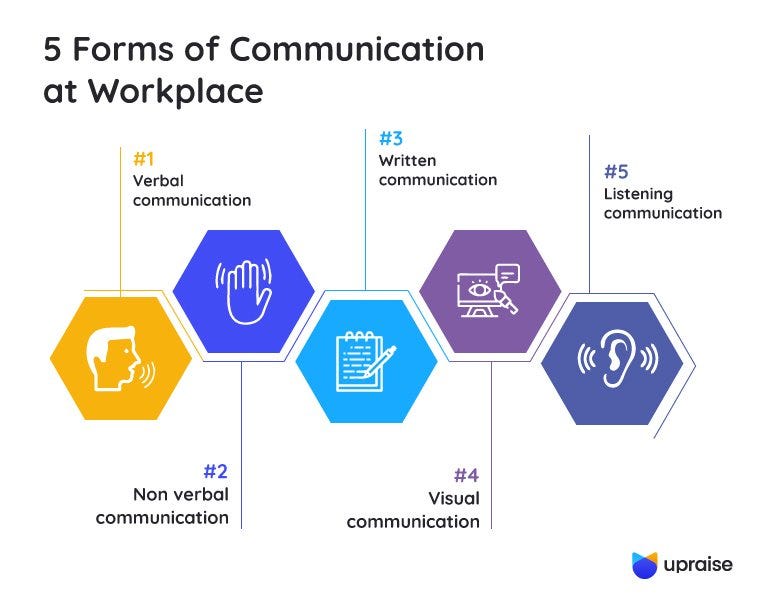
Effective communication in management hinges significantly on active listening and constructive feedback. These two elements foster a supportive environment, enabling employees to feel valued and heard, ultimately contributing to increased productivity and job satisfaction. Active listening demonstrates respect and encourages open dialogue, while feedback, when delivered appropriately, serves as a crucial tool for performance improvement.Active listening goes beyond simply hearing; it involves understanding the speaker’s message, both verbally and nonverbally.
Constructive feedback, when combined with active listening, provides employees with the guidance they need to succeed. This process of receiving and incorporating feedback builds a stronger, more collaborative work dynamic.
Importance of Active Listening
Active listening is crucial for effective managerial communication because it demonstrates respect for employees’ perspectives. It allows managers to grasp the full context of employee concerns, enabling them to respond appropriately and address underlying issues. This leads to better understanding, improved problem-solving, and stronger employee relationships. Active listening helps build trust and rapport, creating an environment where employees feel comfortable sharing their ideas and concerns.
Techniques for Active Listening
Active listening involves several techniques that go beyond simply hearing words. These techniques create a supportive and understanding environment for open communication. Understanding and implementing these techniques will enhance the communication flow between manager and employee.
- Paying Attention: This involves focusing entirely on the speaker, avoiding distractions like cell phones or other tasks. It includes maintaining eye contact and using non-verbal cues, like nodding, to show engagement.
- Asking Clarifying Questions: Asking thoughtful questions helps ensure a complete understanding of the speaker’s message. These questions should focus on understanding the speaker’s perspective and not on challenging or interrupting them. For example, “Can you elaborate on what you mean by…?” or “Tell me more about that situation.”
- Summarizing and Paraphrasing: Summarizing and paraphrasing what the speaker has said demonstrates that the manager has understood their message. This shows that the manager is actively listening and ensures both parties are on the same page. For example, “So, if I understand correctly, you’re saying that…,” or “To summarize, your main point is… ”
Methods of Providing Constructive Feedback
Constructive feedback is essential for employee growth and development. It should be specific, actionable, and focused on behavior rather than personality. It provides employees with clear directions on how to improve their performance.
- Focus on specific behaviors: Instead of general statements, focus on observable behaviors. For example, instead of saying “Your presentation was bad,” say “Your presentation lacked visual aids, which made it difficult to follow.”
- Offer suggestions for improvement: Provide concrete suggestions on how the employee can improve. For example, “To improve your presentations, consider incorporating more visual aids, such as graphs or charts.”
- Be timely and consistent: Feedback should be provided promptly after the event, ensuring that the employee can reflect on the situation. Providing consistent feedback helps build a culture of continuous improvement.
Addressing Employee Concerns and Complaints
Addressing employee concerns and complaints effectively is critical for maintaining a healthy work environment. It shows that the manager values employee input and is committed to resolving issues.
- Active listening and empathy: Listen attentively to the employee’s concerns without interrupting. Try to understand the situation from their perspective, showing empathy and acknowledging their feelings. This helps create a safe space for open communication.
- Acknowledging and validating feelings: Acknowledge and validate the employee’s feelings. For example, “I understand that this situation is frustrating for you.” This demonstrates that their feelings are important and valued.
- Collaboratively finding solutions: Work together with the employee to identify possible solutions. Encourage them to contribute their ideas and perspectives to find the best solution for everyone.
Active Listening Techniques Table
| Technique | Description | Example | Application |
|---|---|---|---|
| Paying Attention | Focusing entirely on the speaker. | Maintaining eye contact, nodding, and avoiding distractions. | Creating a supportive environment. |
| Asking Clarifying Questions | Ensuring a complete understanding of the message. | “Can you elaborate on what you mean by that?” | Deepening understanding and resolving misunderstandings. |
| Summarizing and Paraphrasing | Demonstrating understanding of the message. | “So, if I understand correctly, you’re saying that…” | Ensuring clarity and mutual understanding. |
Clear and Concise Messaging
Effective communication in management hinges on clarity and conciseness. These qualities ensure that messages are easily understood and acted upon, minimizing misunderstandings and maximizing efficiency. Clear and concise communication fosters a more productive and collaborative work environment.Clear and concise communication, when practiced consistently, improves overall team performance. This approach allows for quicker decision-making and a shared understanding of objectives.
It also strengthens relationships and trust within the team, as it demonstrates respect for their time and intelligence.
Principles of Clear Communication
Clear communication is built upon several key principles. Accuracy, precision, and completeness are crucial. Avoiding ambiguity is paramount, ensuring that the intended meaning is readily apparent to the recipient. The message should be delivered with appropriate formality and tone, aligning with the context and the audience. Active listening plays a critical role in understanding the nuances of the message and the potential recipient’s interpretation.
Finally, feedback mechanisms should be established to confirm understanding and identify any areas requiring clarification.
Framing Messages for Clarity and Impact
Crafting clear messages requires careful consideration of the structure and content. Using precise language and avoiding jargon or overly technical terms is essential for broad comprehension. Highlighting key takeaways and summarizing the message at the beginning and end enhances retention. Employing concise sentences and short paragraphs enhances readability and ensures the message’s core points are effectively communicated.
For instance, instead of a lengthy paragraph, break down complex information into bullet points. Consider using visuals like charts or diagrams to supplement textual information, particularly when dealing with complex data.
Tailoring Communication to the Audience
Effective communication adapts to the audience. Consider the recipient’s knowledge level, experience, and potential biases when tailoring the message. A message designed for senior management will differ from one intended for entry-level employees. For example, when communicating with a team about a new project, adjust the language and details to the level of understanding of the team.
Appropriate Language and Tone
Choosing the right language and tone is critical for effective communication. Formal settings call for a more formal tone, while informal settings may allow for a more casual approach. Using respectful and professional language is paramount. The tone should be appropriate for the context and the relationship with the recipient. For example, when giving constructive criticism, maintain a professional tone while emphasizing the constructive nature of the feedback.
Logical Organization of Information
Organizing information logically in written and verbal communication enhances understanding. Begin by clearly stating the purpose of the communication. Structure the message chronologically, logically, or thematically, depending on the subject matter. Consider using headings, subheadings, and bullet points to further enhance the organization and clarity of the message. For example, in a project report, present the project timeline, budget, and milestones sequentially.
Presenting data in a structured table format is a clear way to communicate data logically.
Nonverbal Communication
Effective communication extends beyond spoken words. Nonverbal cues play a crucial role in managerial interactions, often conveying more than what is explicitly stated. Understanding and interpreting these cues is vital for fostering strong relationships and achieving desired outcomes. Managers who are adept at nonverbal communication can build trust, enhance understanding, and inspire their teams more effectively.
Significance of Nonverbal Communication in Managerial Interactions
Nonverbal communication encompasses a wide range of cues, including body language, facial expressions, and tone of voice. It significantly impacts how employees perceive a manager’s message and intentions. This nuanced form of communication can reinforce or contradict verbal messages, potentially influencing employee morale, motivation, and productivity. It also fosters a more authentic and relatable connection between managers and their teams.
Examples of Positive and Negative Nonverbal Cues
Positive nonverbal cues often project confidence, approachability, and respect. For instance, maintaining eye contact during conversations demonstrates engagement and interest. Open posture, such as uncrossed arms and a slight lean forward, suggests receptiveness and attentiveness. A warm smile and friendly tone of voice can create a positive and encouraging atmosphere. Conversely, negative nonverbal cues can convey disinterest, negativity, or lack of respect.
Avoiding eye contact, a slumped posture, or a harsh tone of voice can create a sense of distance and mistrust. These cues can undermine the manager’s credibility and negatively affect employee morale.
Impact of Body Language, Facial Expressions, and Tone of Voice on Employee Perception
Body language, facial expressions, and tone of voice all contribute to how employees perceive a manager’s message. A manager’s posture can project confidence or insecurity. A smile can convey approachability, whereas a frown might suggest disapproval. A calm and reassuring tone of voice can inspire trust, while a harsh or dismissive tone can create anxiety and resentment.
These elements collectively contribute to the overall impression and perception of the manager’s message.
Comparison of Nonverbal Communication Styles in Various Cultural Contexts
Nonverbal communication styles vary significantly across cultures. For instance, direct eye contact is considered respectful in some cultures but may be perceived as challenging or rude in others. Similarly, personal space norms differ considerably, and what constitutes appropriate physical proximity can vary widely. Managers need to be sensitive to these cultural nuances to avoid misinterpretations and foster effective communication.
Understanding these differences can help managers adapt their nonverbal communication to build rapport and trust in diverse teams.
Impact of Different Nonverbal Cues on a Manager’s Credibility
| Cue | Description | Positive Impact | Negative Impact |
|---|---|---|---|
| Open Posture | Uncrossed arms, open hands, leaning slightly forward | Projects confidence, approachability, and receptiveness. | May be perceived as overly casual or dismissive in formal settings. |
| Eye Contact | Maintaining appropriate eye contact | Demonstrates engagement, attentiveness, and respect. | May be interpreted as aggressive or confrontational in some cultures. |
| Warm Smile | Genuine, approachable smile | Creates a positive and encouraging atmosphere, fosters trust. | May be perceived as insincere or forced if not genuine. |
| Calm Tone of Voice | Speaking in a measured, considerate manner | Inspires trust, conveys confidence, and encourages engagement. | May be perceived as monotonous or uninspiring if not varied appropriately. |
| Avoiding Eye Contact | Avoiding direct eye contact | May be considered respectful in some cultures, but can also be seen as dismissive. | Often signals a lack of engagement or confidence. |
| Slumped Posture | Hunched shoulders, avoiding eye contact | Often indicates insecurity, lack of interest, or discouragement. | Signals a lack of engagement and respect. |
Communication Channels and Tools
Effective communication as a manager hinges on selecting the right tools and channels for each message. This involves understanding the nuances of various methods and their suitability for different situations. Choosing the appropriate channel ensures clarity, efficiency, and fosters strong relationships with team members.Selecting the optimal communication channel requires careful consideration of the message’s complexity, urgency, and the intended recipient’s preferred method.
Managers must adapt their approach to ensure their message resonates with the audience and achieves the desired outcome.
Email Communication
Email remains a crucial tool for formal communication, documentation, and disseminating information. Its strength lies in its ability to create a permanent record of the exchange, making it suitable for important announcements, policies, and detailed instructions. However, email can be less effective for immediate responses or complex discussions, potentially leading to misunderstandings due to the lack of immediate feedback.
Best practices include maintaining a professional tone, clear subject lines, concise content, and proofreading before sending. An example of effective use is sending a detailed project update to stakeholders via email, outlining progress and next steps.
Instant Messaging (IM)
Instant messaging platforms are excellent for quick questions, updates, and collaborative discussions. Their speed and real-time interaction make them ideal for resolving immediate issues or coordinating tasks. However, the informal nature of IM can be problematic for sensitive information or critical decisions. To use IM effectively, managers should adhere to a clear purpose for each message and maintain professionalism.
For example, if a team needs to quickly troubleshoot a technical issue, IM is a suitable channel.
Meetings
Meetings are essential for brainstorming, collaborative problem-solving, and group decision-making. They provide an opportunity for face-to-face interaction, fostering stronger relationships and understanding. However, meetings can be time-consuming and require careful planning to ensure efficiency. Managers should set clear agendas, encourage active participation, and follow up with action items to maximize the value of meetings. An example of when a meeting is beneficial is when a team needs to review and approve a critical project plan.
Video Conferencing
Video conferencing offers a virtual meeting experience that replicates face-to-face interaction. This allows for nonverbal cues and visual engagement, crucial for conveying emotions and complex ideas. Its primary strength lies in facilitating real-time interaction with geographically dispersed teams. However, technical issues and participant distractions can hinder effective communication. Best practices include ensuring a stable internet connection, providing clear instructions, and encouraging active participation.
Video conferencing is particularly useful for presentations to multiple locations.
Communication Tools Categorization
Tools should be categorized based on their purpose for optimal selection.
- Project Management: Asana, Trello, Jira – These tools facilitate task assignment, progress tracking, and collaboration, streamlining workflows and improving team communication within a project.
- Internal Communication: Slack, Microsoft Teams – These platforms enable quick communication, file sharing, and facilitate team discussions, keeping the team informed and engaged.
- Customer Communication: Salesforce, Zendesk – These platforms streamline interactions with customers, providing a central hub for managing communications, feedback, and support.
- Presentation Tools: Google Slides, PowerPoint – These tools facilitate presentations, allowing managers to visually communicate ideas, data, and insights to various stakeholders.
Conflict Resolution and Communication
Effective communication is crucial for navigating workplace conflicts constructively. A skilled manager understands that disagreements are inevitable and that how these disagreements are handled significantly impacts team morale, productivity, and overall success. Open and respectful communication channels are essential to address conflicts promptly and efficiently, fostering a positive and productive work environment.Conflict resolution is not about eliminating disagreements but about effectively managing them.
It involves understanding the root causes of the conflict, actively listening to different perspectives, and finding mutually agreeable solutions. This process requires a delicate balance of firmness and empathy to ensure all parties feel heard and respected.
Strategies for Managing Disagreements
Understanding the root causes of workplace disagreements is a critical first step. Conflicts can stem from differing work styles, misunderstandings, unmet expectations, or even personality clashes. Proactive measures, such as establishing clear communication protocols and expectations, can significantly reduce the likelihood of conflicts arising. Regular team meetings, clear job descriptions, and opportunities for feedback can contribute to a more harmonious work environment.
When disagreements arise, a structured approach to managing them is essential.
Addressing Difficult Conversations
Difficult conversations are often unavoidable in the workplace. These conversations may involve addressing performance issues, conflict resolution, or delivering feedback. Preparation is key. Understanding the context, having specific examples, and maintaining a respectful and professional tone are essential elements in navigating these interactions. Emphasize the desired outcome and focus on finding a solution rather than assigning blame.
The Role of Empathy and Understanding
Empathy is fundamental to successful conflict resolution. Understanding the perspectives of all parties involved is critical to finding a resolution that addresses everyone’s needs. Actively listening to understand, rather than simply waiting to respond, demonstrates respect and fosters a sense of shared responsibility. Consideration for individual experiences and motivations helps bridge the gap between opposing viewpoints.
Communicating Effectively During Conflict Situations
When facing conflict, maintaining a calm and professional demeanor is paramount. Avoid raising your voice or becoming overly emotional. Focus on clearly articulating your concerns and actively listening to the concerns of others. Restating key points and summarizing agreements demonstrates a commitment to understanding. Frame the conversation around finding a solution, rather than placing blame.
Examples of Effective Communication During Conflict
A manager noticing a decrease in employee productivity might schedule a private meeting to discuss concerns. The manager would actively listen to the employee’s perspective, identifying potential contributing factors such as workload, lack of clarity, or personal issues. By collaborating, they could devise solutions like adjusting the workload, providing additional training, or exploring external support resources.
Conflict Resolution Strategies
| Strategy | Description | Strengths | Weaknesses |
|---|---|---|---|
| Collaboration | Involves open communication and a search for mutually beneficial solutions. | Fosters long-term solutions, builds stronger relationships, and addresses the root cause of conflict. | Can be time-consuming and require strong interpersonal skills. |
| Compromise | Involves finding a solution that satisfies both parties by giving up some desired outcome. | Provides a quick resolution and preserves the relationship. | May not fully address the needs of either party and could lead to temporary solutions. |
| Accommodation | One party gives in to the other’s needs to maintain the relationship. | Maintains harmony and minimizes conflict, useful in situations where maintaining the relationship is paramount. | Can lead to resentment and feelings of inequity for the accommodating party, potentially leading to future conflicts. |
| Avoidance | Ignoring or postponing the conflict. | Can be effective in temporary situations, where further escalation is undesirable. | Doesn’t resolve the underlying problem and may lead to more significant issues later. |
Adapting Communication Style
Effective communication in management extends beyond the clarity and conciseness of the message. It also necessitates the ability to tailor one’s approach to resonate with diverse individuals and situations. This adaptability fosters stronger relationships, increased understanding, and ultimately, more successful outcomes.Adapting communication style involves recognizing and responding to the unique characteristics of different personalities, preferences, and cultural backgrounds.
It’s about acknowledging that a message delivered in a manner suitable for one individual might fall flat or even be misinterpreted by another. This proactive adjustment in communication style ensures the message is received accurately and with the intended impact.
Importance of Adapting Communication Style
Understanding that communication styles vary significantly is crucial for managers. Different individuals react to and process information in unique ways. Adapting one’s style allows for better engagement and comprehension, ultimately leading to improved productivity and stronger team dynamics. Furthermore, this adaptability demonstrates respect for individual differences and fosters a more inclusive work environment.
Tailoring Communication to Different Personalities
Effective managers recognize that individuals possess varying personalities, which directly influence their preferred communication styles. Understanding these nuances allows for tailored communication strategies. For example, a direct and assertive communication style might be effective with a decisive individual, while a more collaborative and supportive style might better resonate with someone who prefers teamwork. Adapting to these differences ensures that the message is not only received but also acted upon effectively.
- Extroverts often thrive on direct and engaging communication, valuing clear instructions and frequent feedback. Conversely, introverts might prefer more thoughtful and personalized interactions, possibly preferring written communication or brief, focused meetings.
- Visual learners benefit from presentations and diagrams, while auditory learners respond better to verbal explanations and discussions. Kinesthetic learners, conversely, learn best through hands-on activities and practical demonstrations.
- Analytical individuals require detailed explanations and data-driven justifications. Intuitive individuals may prefer more conceptual and big-picture approaches.
Cultural Sensitivity in Managerial Communication
Cultural differences significantly impact communication styles. A manager’s awareness of these differences is essential for avoiding misunderstandings and fostering a positive and productive work environment. This awareness involves acknowledging diverse communication norms, such as directness, formality, and non-verbal cues, which vary across cultures. For instance, what is considered polite in one culture might be perceived as rude in another.
Cultural sensitivity is paramount to effective cross-cultural communication.
- High-context cultures rely heavily on nonverbal cues and shared understanding, while low-context cultures emphasize explicit communication and clear details.
- Individualistic cultures often prioritize individual achievement and direct communication, while collectivistic cultures emphasize group harmony and indirect communication.
Strategies for Adapting Communication Style to Diverse Audiences
A comprehensive strategy for adapting communication style involves active listening, seeking feedback, and adjusting the delivery method to suit the audience. A manager should consider the specific needs and preferences of each individual or group when crafting and delivering messages. This tailored approach fosters understanding and respect, leading to more effective communication.
- Employ diverse communication channels (written, verbal, visual) to cater to different learning styles.
- Actively solicit feedback to gauge the effectiveness of the message and adapt accordingly.
- Employ inclusive language and avoid jargon that might exclude certain individuals or groups.
Comparing Communication Styles for Different Personalities
| Personality Type | Communication Style | Strengths | Weaknesses |
|---|---|---|---|
| Extroverted | Direct, Engaging, Energetic | Builds rapport quickly, motivates others, good at brainstorming | May interrupt others, struggle with detailed explanations |
| Introverted | Thoughtful, Reflective, Detailed | Provides insightful analysis, good listener, thorough | May take longer to respond, less assertive in group settings |
| Visual Learner | Visual aids, Charts, Diagrams | Effective for complex concepts, easily grasped | May miss subtle verbal cues, less engaging for non-visual learners |
| Auditory Learner | Verbal explanations, discussions, presentations | Engaging, strong interpersonal communication | May struggle with written communication, less effective for visual learners |
Feedback and Performance Reviews

Providing constructive feedback during performance reviews is crucial for employee growth and organizational success. A well-structured review process fosters a culture of continuous improvement and allows managers to identify areas where employees excel and areas needing development. Open communication and a focus on both strengths and areas for improvement are key to a positive and productive outcome.Effective performance reviews go beyond simply evaluating past performance; they are opportunities to guide future success.
The process should be collaborative, empowering employees to take ownership of their development. This collaborative approach will cultivate a strong and supportive work environment where employees feel valued and empowered to contribute their best work.
Constructive Feedback During Performance Reviews
Providing constructive feedback during performance reviews is essential for employee development. This feedback should be specific, actionable, and focused on observable behaviors and results. Avoid generalizations or vague statements. Instead, link feedback to specific examples and quantify the impact when possible. Focus on behaviors that can be improved, rather than personality traits.
- Specific Examples: Instead of saying “Your communication skills need improvement,” provide examples like, “During the project presentation, your delivery could have been more concise and engaging, particularly when discussing the budget implications.” This allows the employee to understand the exact behavior needing improvement.
- Focus on Behaviors: Frame feedback around observable actions and results. For instance, instead of “You are not a team player,” suggest, “During the recent team project, there were instances where you did not actively contribute to the brainstorming sessions or provide your input on the project plan.” This allows for specific discussion and actionable steps.
- Actionable Feedback: Constructive feedback should always suggest concrete steps for improvement. Following the example above, you could add, “To enhance your contribution in future team projects, consider actively participating in the early brainstorming sessions and providing your input on the project’s key milestones.” This gives the employee clear guidance on how to develop.
Active Listening During Performance Reviews
Active listening is paramount during performance reviews. It involves fully concentrating on what the employee is saying, both verbally and nonverbally, and reflecting their message back to them. This ensures a complete understanding of their perspective and allows for a more productive dialogue. Avoid interrupting or formulating your response while the employee is speaking. Take notes to ensure you capture key points.
- Empathy and Understanding: Actively try to understand the employee’s perspective, including their motivations, challenges, and accomplishments. This fosters a collaborative and supportive environment.
- Nonverbal Cues: Pay attention to nonverbal cues such as body language, tone of voice, and facial expressions. These cues can provide additional insight into the employee’s message.
- Summarizing and Reflecting: Summarize the employee’s points and reflect back what you heard to ensure mutual understanding. This confirms that you have grasped the employee’s message correctly.
Phrasing Feedback Effectively
Phrasing feedback effectively is key to ensuring it is received constructively. Use “I” statements to focus on your observations and avoid sounding accusatory. Be mindful of your tone and maintain a professional demeanor. Frame feedback as an opportunity for growth rather than a criticism.
- “I” Statements: Use “I” statements to express your observations and concerns. For example, instead of “You missed the deadline,” say “I noticed that the report was submitted after the deadline, which impacted the project timeline.” This avoids placing blame.
- Positive Reinforcement: Start and end with positive reinforcement. Acknowledge their strengths and accomplishments before discussing areas for improvement. This makes the feedback less daunting.
- Focus on Solutions: Frame feedback in terms of solutions. For example, “To ensure timely submissions in the future, consider using project management tools to track deadlines and tasks.” This focuses on actionable solutions rather than just pointing out the problem.
Open Dialogue in Performance Reviews
Open dialogue is critical for a successful performance review. It fosters a collaborative environment where both the manager and employee can openly discuss expectations, challenges, and goals. This encourages two-way communication, allowing the employee to share their perspective and concerns, and the manager to address any misunderstandings.
Elements of a Successful Performance Review
| Element | Description | Example | Importance |
|---|---|---|---|
| Goals and Objectives | Clearly defined performance goals for the review period. | “Achieve a 10% increase in sales this quarter.” | Provides a clear benchmark for performance evaluation. |
| Strengths and Accomplishments | Recognition of the employee’s positive contributions and achievements. | “Successfully launched three new products this quarter.” | Motivates and reinforces positive behaviors. |
| Areas for Improvement | Identification of specific areas where the employee can develop. | “Enhance communication skills during team meetings.” | Facilitates employee growth and development. |
| Actionable Plan | Development of a plan for addressing areas for improvement. | “Attend a communication skills workshop and practice active listening techniques.” | Provides a roadmap for future performance. |
Final Summary
In conclusion, effective communication is not merely a skill, but a fundamental aspect of successful management. By mastering various communication styles, employing active listening, and tailoring messages to different audiences, managers can build stronger relationships, resolve conflicts, and achieve better outcomes. The practical strategies and tools discussed in this guide equip managers with the knowledge and resources to excel in their roles.