Public speaking can be a daunting experience, often triggering significant anxiety. This comprehensive guide delves into the intricacies of stage anxiety, providing practical strategies to navigate the challenges and ultimately deliver compelling speeches. From understanding the root causes to mastering effective coping mechanisms, we’ll explore various techniques to conquer your fear and transform your public speaking journey.
This guide covers everything from preparing for the speech, managing physical and mental symptoms, interacting with the audience, utilizing external resources, handling specific scenarios, and implementing long-term strategies for building resilience. By understanding the science behind stage fright and applying actionable steps, you can confidently face any speaking opportunity.
Understanding Stage Anxiety
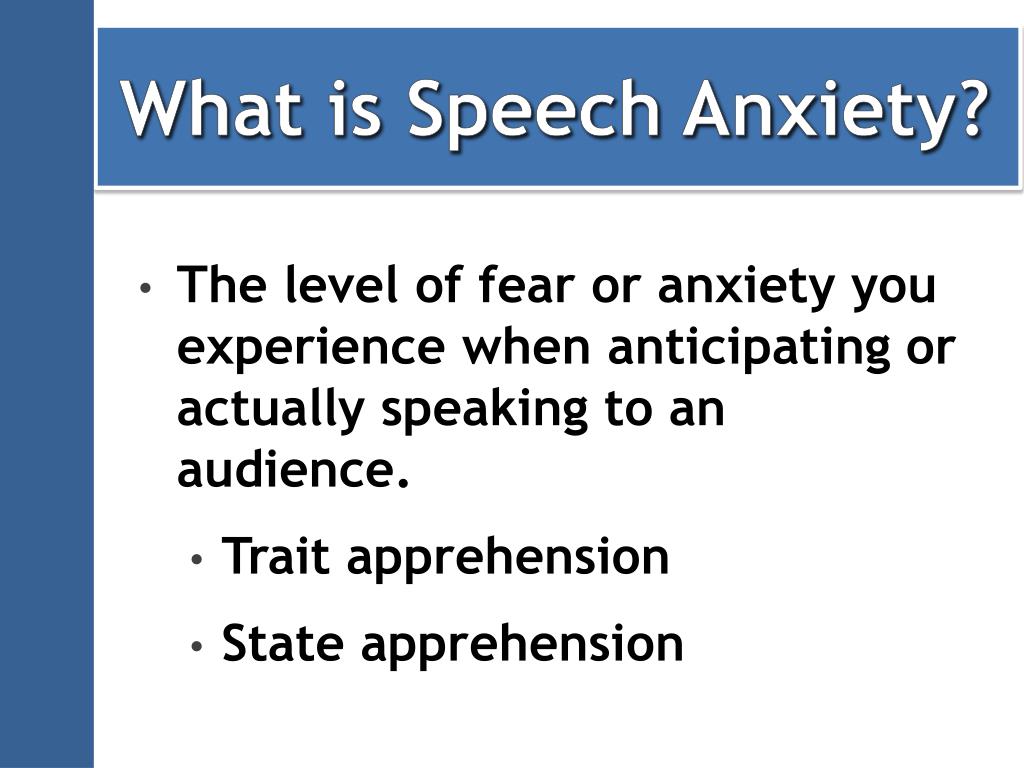
Stage anxiety, also known as stage fright, is a common experience for individuals preparing for or participating in public speaking engagements. This apprehension often stems from a complex interplay of physiological and psychological factors, which can manifest in various ways, impacting performance and confidence. Understanding these facets is crucial for effective management strategies.Stage anxiety significantly impacts both the physical and mental well-being of the speaker.
Physiological responses include increased heart rate, sweating, trembling, and a tightening of the muscles, often leading to a feeling of being overwhelmed and out of control. Psychologically, stage anxiety can trigger feelings of self-doubt, fear of judgment, and a sense of inadequacy. These feelings can manifest in avoidance behaviors, procrastination, and even complete withdrawal from speaking situations.
Physiological Effects of Stage Anxiety
The body’s physiological response to stress, including stage anxiety, is a complex cascade of reactions. Increased heart rate and blood pressure are common, leading to a heightened sense of awareness and a racing heartbeat. Sweating, trembling, and a dry mouth are also frequent symptoms, which can affect speech clarity and delivery. These physical manifestations often compound the psychological discomfort, creating a vicious cycle of anxiety.
Psychological Effects of Stage Anxiety
Beyond the physical sensations, stage anxiety profoundly impacts a speaker’s mental state. Negative self-talk, such as “I’m going to mess up,” “They’ll think I’m stupid,” and “I’m not good enough,” often dominates the speaker’s thoughts. This internal dialogue can fuel feelings of inadequacy and self-doubt, hindering the speaker’s ability to focus and deliver their message effectively. Fear of judgment from the audience can also be a significant factor, leading to a preoccupation with external validation rather than internal confidence.
Types of Stage Fright
Stage fright can vary significantly in intensity, ranging from mild apprehension to debilitating fear. Mild stage fright might manifest as a slight nervousness or butterflies in the stomach, easily managed through relaxation techniques. Severe stage fright, however, can be overwhelming, causing significant physical symptoms and interfering substantially with the speaker’s ability to perform. Examples of severe stage fright include a complete inability to speak, panic attacks, or a rapid decline in cognitive function.
Triggers for Stage Anxiety
Several factors can trigger or exacerbate stage anxiety. The size of the audience, the importance of the speech, the environment in which the speech takes place, and the speaker’s personal history all contribute to the level of anxiety experienced. For instance, a novice speaker facing a large audience in a formal setting might experience higher anxiety than an experienced speaker delivering a familiar presentation to a smaller, more supportive group.
Furthermore, past negative experiences, such as public speaking failures, can significantly contribute to future anxieties.
Cognitive Distortions Associated with Stage Anxiety
Cognitive distortions are irrational and negative thought patterns that can intensify stage anxiety. These distortions often lead to exaggerated fears and self-critical judgments. Common examples include catastrophizing (expecting the worst-case scenario), overgeneralization (assuming a single negative experience will define all future experiences), and personalization (attributing negative outcomes to oneself when they are external factors). Recognizing these distortions is crucial for managing their impact.
Preparing for the Speech
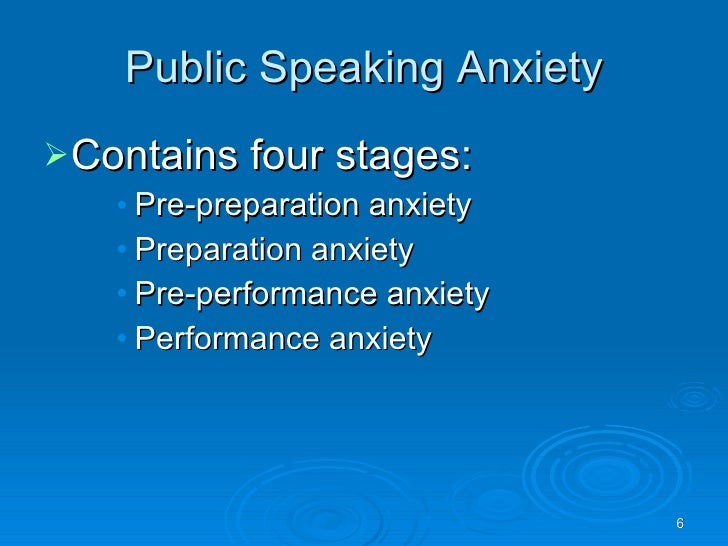
Effective speech preparation is a crucial element in managing stage anxiety. A well-structured approach to planning and practicing reduces the feeling of uncertainty and allows the speaker to feel more confident and in control. This, in turn, minimizes the impact of anxiety on performance. A meticulous preparation process, incorporating various practice methods and relaxation techniques, can significantly enhance the overall experience.A well-structured preparation process fosters a positive mindset, allowing the speaker to focus on delivering a compelling message rather than worrying about potential anxieties.
This proactive approach empowers the speaker to navigate the delivery with poise and confidence.
Step-by-Step Speech Preparation Guide
A systematic approach to speech preparation reduces uncertainty and builds confidence. The following steps Artikel a structured process:
- Clearly Define the Objective: Articulate the precise purpose of the speech. What key message are you aiming to convey? Understanding the desired outcome clarifies the direction of preparation and ensures alignment with the overall goal.
- Thorough Research: Gather relevant information to support your arguments and claims. Incorporating credible evidence strengthens your message and provides a solid foundation for the speech. Comprehensive research demonstrates a deeper understanding of the subject matter, thus reducing the fear of not knowing what to say.
- Develop a Logical Structure: Organize your ideas into a coherent framework. A well-structured speech with a clear introduction, body, and conclusion allows for a smooth and engaging delivery. This structure provides a sense of order and control, mitigating anxiety related to the flow of the speech.
- Craft Compelling Content: Write a detailed Artikel or script. Use concise language and compelling examples. This stage ensures the speech is well-articulated, easily understood, and engaging. A clear script provides a roadmap, making the delivery less daunting.
- Rehearse Extensively: Practice the speech in various settings and scenarios. This builds familiarity and reduces the unknown. Consistent rehearsal strengthens the delivery and allows the speaker to identify and address any potential issues.
Practice Strategies in Different Settings
Consistent practice in different settings is essential for building confidence and reducing anxiety. Different practice environments provide varied challenges, allowing for the refinement of delivery and addressing potential concerns.
- Practice Alone: Rehearse the speech silently or aloud in a quiet environment. This allows for focused repetition and the development of natural rhythm and pacing.
- Practice with Friends: Deliver the speech to trusted friends or colleagues. This provides valuable feedback and allows for adjustments based on real-time reactions and suggestions. The support and constructive criticism offered by peers can be invaluable.
- Practice in Front of a Mirror: Observe body language and vocal delivery. Adjust posture, gestures, and tone to ensure a confident and engaging presentation. This self-assessment allows for the identification and correction of non-verbal cues that may contribute to anxiety.
- Practice in Simulated Environments: Rehearse in settings that mimic the actual speaking environment, if possible. For example, if the speech is for a large audience, practice in a larger room or with a larger group of people.
Relaxation Techniques for Speech Preparation
Incorporating relaxation techniques into the preparation process is essential for managing stress and anxiety. These techniques promote mental calmness and focus, leading to a more composed and confident delivery.
- Deep Breathing Exercises: Practice deep, slow breaths to calm the nervous system. This technique helps regulate the heart rate and promotes relaxation.
- Progressive Muscle Relaxation: Tense and release different muscle groups to reduce physical tension. This technique helps release physical stress associated with anxiety.
- Mindfulness Meditation: Focus on the present moment to reduce distracting thoughts. This technique cultivates a sense of calm and control, which is particularly useful in managing the anticipatory anxiety before the speech.
Rehearsal and its Impact on Anxiety Reduction
Consistent rehearsal plays a crucial role in anxiety reduction. Repeated practice reduces uncertainty and allows for the speaker to feel more at ease with the material. This familiarity enhances confidence and allows the speaker to focus on delivering the message rather than worrying about the delivery itself.
Rehearsal builds confidence and reduces the perceived threat of the speaking situation.
Managing Physical Symptoms
Stage fright often manifests as noticeable physical symptoms, such as sweating, trembling, and a rapid heartbeat. Recognizing these responses as normal physiological reactions to stress is crucial. Effective management strategies can significantly reduce their intensity and impact on your performance. These techniques can be learned and practiced, leading to greater composure and confidence during your presentation.
Relaxation Exercises
Relaxation exercises are pivotal in managing physical symptoms associated with stage fright. These techniques promote a state of calm and reduce muscle tension, ultimately mitigating physical manifestations of anxiety. Deep relaxation can counteract the physiological responses often triggered by performance anxiety.
- Progressive Muscle Relaxation: This technique involves systematically tensing and relaxing different muscle groups in the body. By focusing on the sensations of tension and release, individuals can learn to identify and alleviate physical tightness. Starting with the toes and gradually working up to the head, the technique helps to release tension throughout the body. This can be done in a seated or lying position.
Practice sessions can be short, lasting from a few minutes to 15 minutes, depending on the individual’s needs. The goal is to identify tension in specific areas and to release that tension, allowing the body to relax completely.
- Diaphragmatic Breathing: This involves deep, controlled breaths that engage the diaphragm, the primary muscle for breathing. By focusing on the expansion and contraction of the abdomen, individuals can slow their heart rate, reduce shallow breathing, and regulate their nervous system. Practicing diaphragmatic breathing can significantly reduce feelings of panic and promote a sense of calm. Regular practice can be incorporated into daily routines, such as before a presentation, during breaks, or even while waiting in line.
- Mindfulness Meditation: This practice involves focusing on the present moment without judgment. By directing attention to bodily sensations, thoughts, and emotions, individuals can develop a greater awareness of their physical responses to stress. Mindfulness can help to regulate the body’s response to anxiety, creating a more balanced state. This can be practiced anywhere, anytime, with minimal preparation. Starting with short sessions, such as 5-10 minutes, can be helpful for building a regular mindfulness practice.
Breathing Techniques
Effective breathing techniques are essential for managing physical symptoms. Controlling your breath can significantly impact your body’s physiological response to stress. By consciously regulating your breathing, you can calm your nervous system and reduce the intensity of physical symptoms like rapid heartbeat and trembling.
- Box Breathing: Inhale for a count of four, hold for a count of four, exhale for a count of four, and hold for a count of four. This rhythmic pattern helps to regulate the breath and promote relaxation. It can be easily incorporated into daily routines or during times of high stress.
- Alternate Nostril Breathing (Nadi Shodhana): This ancient yogic technique involves breathing in through one nostril and out through the other, alternating between nostrils. This practice can promote a sense of calm and balance, helping to regulate the nervous system and reduce physical tension.
Actionable Steps
Implementing these techniques into your daily routine can significantly enhance your ability to manage stage fright. Consistency is key to seeing lasting benefits.
- Establish a Pre-Speech Routine: Develop a personalized pre-speech routine that incorporates relaxation exercises, breathing techniques, and mindfulness practices. This routine should be tailored to your individual needs and preferences. Practicing this routine before presentations or speeches will build a sense of familiarity and calm. This could include a 10-minute session of progressive muscle relaxation or a few rounds of box breathing.
- Schedule Regular Practice: Schedule dedicated time for practicing relaxation exercises, breathing techniques, and mindfulness. Regular practice will reinforce the skills and make them more readily accessible during moments of stress. Short, daily sessions are more effective than infrequent, longer ones.
- Seek Support: If you experience persistent or severe stage fright, consider seeking support from a therapist or counselor. Professional guidance can provide tailored strategies for managing anxiety and developing coping mechanisms.
Managing Mental Symptoms
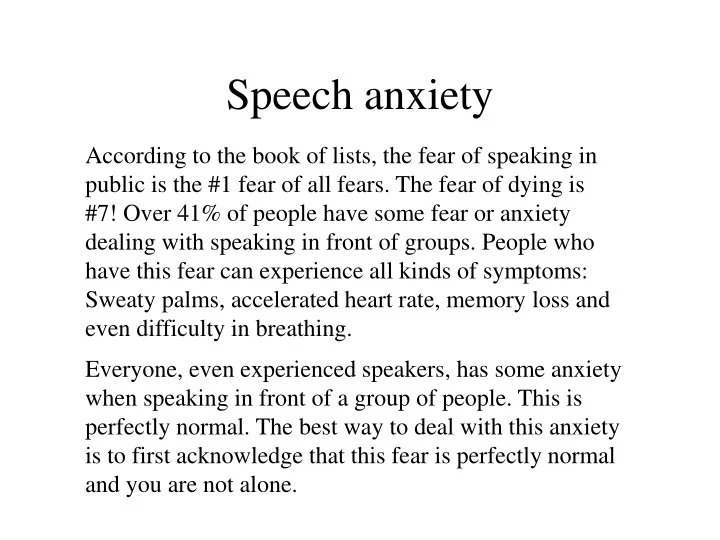
Overcoming stage fright involves not only addressing physical sensations but also tackling the mental anxieties that contribute to the experience. Negative thought patterns and self-doubt can significantly amplify the feeling of apprehension. Effective strategies for managing these mental symptoms are crucial for a successful and less stressful speech delivery.Cognitive restructuring and visualization techniques, combined with positive self-talk, form a powerful toolkit for transforming negative mental chatter into a more positive and confident inner dialogue.
These methods aim to challenge the negative thoughts that fuel anxiety and replace them with realistic and supportive perspectives.
Cognitive Restructuring Techniques
Cognitive restructuring is a process of identifying and challenging negative thought patterns. It involves recognizing the automatic negative thoughts (ANTs) that often arise in stressful situations and replacing them with more balanced and realistic ones. This process fosters a more positive and resilient mindset, reducing the impact of anxiety.
- Identifying Negative Thoughts: Recognizing and cataloging negative thoughts is the first step. For example, a speaker might identify a thought like “I’m going to completely bomb this speech” or “Everyone will think I’m stupid.” These thoughts often stem from past experiences, perceived inadequacies, or general anxieties about public speaking.
- Challenging Negative Thoughts: Once identified, these negative thoughts should be critically examined. Are they based on facts, or are they assumptions or exaggerations? For example, “I’m going to completely bomb this speech” might be challenged by asking “What specific evidence supports this claim? Have I bombed similar speeches in the past? What are the chances of that happening, realistically?”
- Replacing Negative Thoughts with Realistic Alternatives: Replacing the negative thought with a more realistic and positive one is crucial. For example, instead of “Everyone will think I’m stupid,” a speaker might replace it with “I’ve prepared well, and I’m confident in my ability to communicate my message effectively.” This reframe shifts focus from fear to competence.
Visualization Exercises for Confidence
Visualization exercises involve mentally rehearsing the speech or presentation in a positive and confident manner. This mental preparation builds confidence and reduces anxiety by creating a mental simulation of a successful delivery.
- Positive Visualization: Imagine yourself delivering the speech smoothly, engaging with the audience, and receiving positive feedback. Focus on the positive emotions and sensations associated with success. This mental imagery creates a positive emotional association with the speech event.
- Successful Performance Visualization: Imagine past successful presentations or speeches. Focus on the details that contributed to a successful outcome, such as effective delivery, audience engagement, and a feeling of control. This method taps into past positive experiences to build confidence.
- Progressive Visualization: Begin with smaller, less stressful scenarios, such as rehearsing a single section of the speech or interacting with a few friendly individuals. Gradually build up to the complete speech, focusing on feeling confident and in control at each stage. This approach avoids overwhelming the individual with the entirety of the speech at once.
Reframing Negative Self-Talk into Positive Affirmations
Negative self-talk can significantly impact anxiety levels. Transforming these negative thoughts into positive affirmations can shift the focus from fear to empowerment. This process cultivates a more supportive and confident inner dialogue.
- Identifying Negative Self-Talk: Recognize the negative self-statements that often accompany stage fright, such as “I’m not good enough” or “I’ll mess up.” This step involves awareness of the inner critic.
- Constructing Positive Affirmations: Replace the negative self-talk with positive affirmations. For example, “I am capable and prepared” or “I am confident in my ability to connect with the audience.” These affirmations create a supportive internal environment.
- Repeating Affirmations: Regularly repeat positive affirmations to reinforce the new mindset. The repetition gradually replaces the negative thought patterns with more positive ones.
Positive Self-Talk in Managing Anxiety
Positive self-talk is a powerful tool for managing anxiety. By consciously choosing to focus on positive and encouraging statements, speakers can build resilience and confidence.
- Building Self-Compassion: Positive self-talk involves being kind and understanding towards oneself. This is crucial in managing anxiety as it fosters a sense of self-acceptance and reduces the pressure to be perfect.
- Focusing on Strengths: Highlighting personal strengths and past successes helps to build confidence and reduce the fear of failure. This approach centers on positive attributes rather than potential weaknesses.
- Acknowledging Progress: Recognizing and acknowledging progress in speech preparation and delivery fosters a sense of accomplishment and encourages further growth. This method provides a motivational framework for continued improvement.
Interacting with the Audience
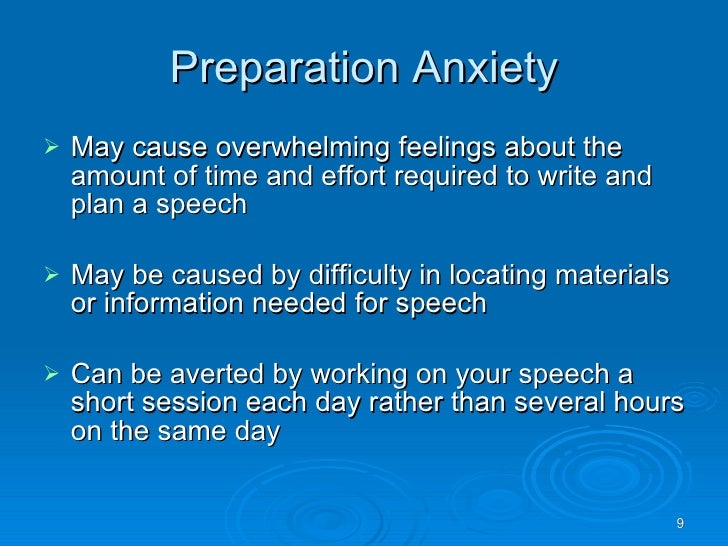
Engaging with the audience is a crucial component of a successful speech. Effective interaction can significantly reduce anxiety by shifting focus away from internal concerns and towards the dynamic exchange with listeners. A connection with the audience fosters a sense of shared experience, making the presentation more engaging and memorable for both the speaker and the audience.Building a rapport with the audience requires careful consideration of various strategies.
Establishing eye contact, maintaining a positive demeanor, and employing humor or personal anecdotes are key techniques. Adapting to unexpected audience reactions also demands proactive planning. These strategies, when effectively implemented, can dramatically reduce the speaker’s anxiety and lead to a more confident and impactful presentation.
Establishing Eye Contact
Effective eye contact with the audience is vital for building rapport and reducing anxiety. Avoid the trap of fixating on a single point or a small group. Instead, aim to scan the audience, making brief, meaningful connections with different individuals. This strategy helps you feel less isolated and more engaged with the audience. A speaker can distribute their attention evenly across the audience by strategically scanning the room.
Imagine your audience as a group of individuals rather than a homogenous mass.
Maintaining a Positive Demeanor
Projecting a positive and confident demeanor is paramount to effectively managing stage fright. A genuine smile, a firm handshake (if applicable), and open body language can significantly enhance your perceived confidence and ease the anxiety you might feel. Speak with conviction and enthusiasm, maintaining a clear and engaging tone of voice. Focus on delivering your message with clarity and passion.
A speaker should always try to communicate their message with an optimistic and enthusiastic attitude.
Using Humor and Personal Anecdotes
Humor and personal anecdotes can serve as powerful tools for connecting with the audience and easing anxiety. Choose anecdotes that are relevant, appropriate, and memorable. The anecdotes should be concise and well-structured. Relatable stories create a bond with the audience, fostering a sense of trust and understanding. Humor, when used appropriately, can create a more relaxed atmosphere, helping to put both the speaker and the audience at ease.
Adapting to Unexpected Audience Reactions
Unexpected audience reactions, such as laughter, applause, or silence, can momentarily disrupt a speaker’s flow. Anticipate potential reactions and develop strategies to manage them. Remain flexible and adapt your delivery accordingly. If the audience is responding positively, maintain the momentum and build upon the energy. If the reaction is unexpected or negative, remain composed and acknowledge the situation gracefully, without letting it derail the presentation.
The speaker should anticipate various reactions and have a plan to respond to them appropriately and confidently.
Utilizing External Resources
Managing stage anxiety effectively often involves leveraging external resources. These resources can provide valuable support and guidance, offering alternative perspectives and proven techniques to help you conquer your fear. By utilizing these external tools, you can supplement your internal strategies and build a comprehensive approach to managing stage fright.
Helpful External Resources
Various resources can aid in managing stage anxiety. Books offer in-depth insights, websites provide readily accessible information, and support groups offer a sense of community and shared experience. These resources can provide support and guidance, offering different perspectives and techniques to help manage stage fright.
- Books: Numerous books offer practical advice and strategies for overcoming stage anxiety. Authors often share personal experiences, offer actionable techniques, and provide a roadmap for managing the various aspects of public speaking anxiety.
- Websites: Online resources like the Anxiety and Depression Association of America (ADAA) or the National Institute of Mental Health (NIMH) offer valuable information about anxiety disorders and their management. These sites frequently provide evidence-based information, coping strategies, and links to further resources.
- Support Groups: Support groups provide a platform for individuals to connect with others who understand the challenges of stage anxiety. Sharing experiences, exchanging coping mechanisms, and building camaraderie can significantly reduce feelings of isolation and provide encouragement.
- Therapy: Professional therapy can be incredibly helpful in addressing the underlying causes of stage anxiety. Therapists can provide tailored strategies and coping mechanisms based on individual needs and circumstances. Therapy can also help identify and address any related mental health concerns that might be contributing to the anxiety.
Comparison of Anxiety Management Techniques
Understanding the strengths and limitations of different techniques is crucial. This table compares common anxiety management methods to aid in informed decision-making.
| Technique | Description | Benefits | Drawbacks |
|---|---|---|---|
| Deep Breathing | Focuses on slow, controlled inhalations and exhalations. | Calms the nervous system, reduces physical tension, and promotes relaxation. | Requires practice and consistency to become effective. May not be sufficient for severe anxiety. |
| Mindfulness Meditation | Focuses on present moment awareness, observing thoughts and feelings without judgment. | Reduces overthinking, increases self-awareness, and fosters emotional regulation. | Can be challenging to maintain focus initially, particularly for those new to meditation. May not fully address the root causes of anxiety. |
| Cognitive Restructuring | Identifies and challenges negative thoughts and replaces them with more realistic and positive ones. | Helps reframe anxieties, promoting a more balanced perspective, and builds confidence. | Requires self-awareness and practice. May not be effective without a dedicated effort to identify and challenge negative thoughts. |
Helpful Online Communities
Connecting with others who share similar experiences can provide significant support and encouragement.
- Online Forums: Many online forums cater to individuals experiencing public speaking anxiety. These platforms allow for sharing experiences, seeking advice, and receiving support from a community of peers.
- Social Media Groups: Specific social media groups dedicated to overcoming public speaking anxiety can provide a supportive environment for connecting and sharing strategies.
- Online Support Platforms: Various online support platforms and apps provide structured programs and tools to manage anxiety, including public speaking anxiety. These platforms often offer guided meditations, breathing exercises, and cognitive restructuring techniques.
Seeking Professional Help
If stage anxiety becomes overwhelming or significantly impacts daily life, seeking professional help is a crucial step.
- Therapists: Licensed therapists specializing in anxiety disorders can provide tailored support, strategies, and coping mechanisms. They can assess the root causes of the anxiety and develop a personalized treatment plan.
- Counsellors: Counselors can offer guidance and support, providing a safe space to explore and process emotions related to stage anxiety. They can also provide practical strategies for managing anxiety in public speaking situations.
- Support Services: Many communities offer support services for individuals struggling with anxiety. These services can provide information, referrals, and access to resources.
Addressing Specific Scenarios
Navigating unexpected situations during a speech can be daunting, but with preparation and practiced strategies, these challenges can be transformed into opportunities to demonstrate resilience and command. By anticipating potential difficulties and developing responses, speakers can maintain composure and effectively connect with their audience, even in challenging circumstances.Addressing unforeseen events, recovering from errors, and adapting to diverse audience dynamics are crucial aspects of managing stage anxiety.
This section explores practical methods to navigate these situations with grace and confidence.
Handling Unexpected Interruptions
Unexpected interruptions, such as loud noises, technical malfunctions, or audience questions, can disrupt the flow of a speech. These disruptions, while potentially disconcerting, can be managed with proactive strategies.
- Maintain composure and acknowledge the interruption briefly. A simple, “Excuse me, I’ll just pause for a moment,” or “Thank you for bringing that up,” can signal respect and allow for a smooth return to the speech. Acknowledging the interruption demonstrates respect and professionalism, even in the face of a distraction.
- Adjust the speech’s trajectory, if necessary. If the interruption relates to a point already discussed, briefly reiterate the point and move on. If the interruption introduces a new, pertinent issue, incorporate it thoughtfully into the speech. Adaptability is key in navigating interruptions.
- Use the interruption as an opportunity to connect with the audience. If the interruption is related to a common concern or raises a point that resonates with the audience, acknowledging it and addressing it directly can strengthen the connection and build rapport.
Recovering from Mistakes or Forgetfulness
Everyone makes mistakes, and it is natural to experience moments of forgetfulness during a speech. The key is to handle these moments with grace and composure, rather than letting them derail the entire presentation.
- Acknowledge the mistake. A simple “My apologies, I seem to have lost my train of thought,” or “I seem to have missed a point; let me quickly retrace my steps,” is a professional way to acknowledge the lapse. This demonstrates accountability and helps regain audience trust.
- Redirect smoothly. Quickly regain control and refocus on the speech’s direction. For example, you can use a transition phrase to seamlessly return to the original point or elaborate on the topic that was just missed. Confidence in the ability to recover from these moments is paramount.
- Maintain eye contact and continue with the speech. Ignoring the mistake and proceeding with the presentation helps minimize the disruption and demonstrate resilience. Maintaining eye contact during this time demonstrates confidence and assures the audience you are in control of the situation.
Managing Anxiety When Facing a Hostile or Uninterested Audience
A hostile or uninterested audience can significantly increase stage anxiety. However, recognizing the audience’s reaction and responding accordingly can alleviate some of this pressure.
- Adjust your approach. If the audience seems unengaged, try varying your tone and delivery, or injecting humor. This can help re-establish audience interest.
- Engage with questions. Even if the audience is hostile, answering questions thoughtfully and professionally can demonstrate respect and address any concerns.
- Maintain a calm demeanor. Remain composed and focused on the message. Avoid reacting to negativity, which can escalate the situation. Maintain your professionalism to navigate this situation effectively.
Dealing with the Pressure of a Live Performance
The pressure of a live performance can be intense, leading to heightened anxiety. However, by focusing on preparation and managing expectations, this pressure can be transformed into a source of motivation.
- Focus on your preparation. Reviewing your speech thoroughly and practicing beforehand can alleviate the pressure of a live performance. The more prepared you are, the more confident you will feel.
- Embrace the energy of the moment. The energy of the audience and the setting can be a source of motivation. Recognizing and channeling this energy positively can transform the pressure into excitement.
- Remember your purpose. Remind yourself why you’re giving this speech and what message you want to convey. Maintaining a clear understanding of your goals can help manage the pressure effectively.
Long-Term Strategies
Building resilience to stage anxiety is a process that requires consistent effort and a proactive approach. It’s not about eliminating anxiety entirely, but rather developing strategies to manage it effectively, enabling you to perform confidently and effectively in public speaking situations. This involves integrating coping mechanisms into your daily life and gradually increasing your exposure to public speaking environments.Developing long-term resilience to stage anxiety is akin to training a muscle; the more you practice, the stronger it becomes.
By consistently employing coping techniques and progressively exposing yourself to speaking opportunities, you will build confidence and reduce the impact of anxiety over time. This process is iterative, incorporating lessons learned from successes and setbacks.
Building Resilience Through Consistent Practice
Consistent practice is key to building resilience. Regular engagement with public speaking, even in low-stakes situations, will help you build confidence and familiarity. This could involve leading meetings, sharing ideas in group settings, or volunteering to present at smaller gatherings. Each experience, no matter how small, contributes to the development of your public speaking skills and reduces the fear associated with the unknown.
This gradual exposure to increasingly challenging speaking situations strengthens your coping mechanisms.
Incorporating Coping Mechanisms into Daily Life
Integrating coping mechanisms into your daily life is crucial for long-term anxiety management. These techniques are not just for use before a speech; they should become a part of your routine. This could include mindfulness exercises, deep breathing techniques, or positive self-talk. Practice these techniques regularly, not just when feeling anxious, to build their effectiveness. These practices will become automatic responses, reducing the impact of anxiety triggers.
Gradual Exposure to Public Speaking Situations
Gradually increasing your exposure to public speaking situations is essential. Starting with low-pressure environments, such as presenting to a small group of friends or family, allows you to gain experience without the immense pressure of a large audience. This stepwise approach reduces the intensity of the experience and allows you to focus on mastering the fundamentals of communication.
Each step builds upon the last, fostering confidence and proficiency.
Celebrating Successes and Learning from Setbacks
Acknowledging and celebrating your successes, no matter how small, is vital. Every successful presentation, even a simple sharing of an idea, is a victory. This positive reinforcement strengthens your belief in your abilities and reinforces the positive association with public speaking. Likewise, setbacks should be viewed as opportunities for learning. Analyzing what went wrong and adjusting your approach for future presentations will lead to continuous improvement.
Remember, public speaking is a journey of continuous learning.
Ending Remarks
In conclusion, overcoming stage anxiety is a journey, not a destination. This guide provides a roadmap for managing your fear, equipping you with practical tools and strategies to navigate the complexities of public speaking. By understanding the triggers, practicing effective techniques, and building resilience, you can transform your experience from one of dread to one of empowerment and impactful communication.
Remember, every step you take towards mastering your anxiety is a step towards greater confidence and success.